A Geology Tour of the Isle of Skye with @ScottishGeologist
Join @ScottishGeologist for an immersive geology tour of the Isle of Skye, one of the world’s most spectacular geological landscapes. Skye is a natural laboratory where ancient ocean crust, dinosaur footprints, and vast volcanic landscapes all come together against a backdrop of breathtaking Highland scenery.
Highlights
🪨 A Journey Through Deep Time
Explore rocks ranging from 3.2 billion-year-old Lewisian Gneiss to 60-million-year old volcanic landscapes, all in a compact island setting.
Learn how these rocks were once part of ancient continental crust, buried deep within the Earth before being uplifted and exposed.
See how continental collisions, desert rivers, shallow seas, dinosaurs and volcanic eruptions each left their mark on Skye.
⛰️ The Basement: Lewisian Gneiss and the Moine Thrust
Examine Lewisian Gneiss, the same ancient continental crust found in the North West Highlands.
Handle samples and identify key minerals like feldspar, quartz, and biotite that give gneiss its banded texture.
Lean how the Moine Thrust Zone formed, where ancient continents collided during the Caledonian Orogeny, thrusting older rocks over younger ones (430 million years ago).
Learn how these tectonic collisions created mountain belts that once rivalled the Himalays.
🏜️ Sandstones and Desert Rivers
See Torridonian sandstones laid down in rivers and floodplains around 1.2 billion years ago.
Identify preserved ripples, mud cracks, and cross-bedding, which tell stories of ancient environments long before animals walked the land.
🦕Jurassic Seas and Dinosaurs
Explore Jurassic sedimentary rocks along Skye’s coast, deposited when Scotland was covered in a tropical sea.
Look for fossils in the sandstones, shales and limestone: shells, ammonites, and plant remains.
Visit Staffin Bay, where dinosaur footprints from Sauropods and theropods can still be seen in tidal exposures. These trackways bring Sky’s nickname to life as the ‘‘Dinosaur isle of Scotland.’’
🌋 The Skye Volcano
Discover how Skye was dramatically reshaped during the opening of the North Atlantic Ocean, around 60 million years ago.
See vast fields of basalt lava flows that erupted from fissures and volcanic vents, forming much of northern Skye’s landscpape.
Explore the black Cuillin mountains, built from tough gabbro and peridotite intrusions, which give the peaks their jagged alpine character.
Learn why Gabbro’s rough, grippy texture makes the Cuillin beloved by climbers, while smoother basalt forms striking plateaus and escarpments.
Learn how the red Cuillin’s formed through fractional crystallisation and partial melting of the crust after the intrusion of Gabbro.
🗻Tectonics, Dykes and Sills
Trace the networks of dykes and sills that cut across Skye, carrying molten magma through older rocks.
Understand how there intrusions provide evidence of the enormous stresses as the Atlantic began to split open.
See textbook examples of layered intrusions in the Cuillin, where minerals settled out as magma slowly cooled.
❄️Glaciers and Landscapes
Skye’s modern scenery owes much to the last Ice Age. Explore corries, U-shaped valleys and sharp ridges carved by glaciers.
Find polished rock surfaces, striations, and erratic boulders left behind and the ice retreated.
Discuss how ice sculpted the Old man of Storr and Quiraing landslip as well as the dramatic escarpments of the Trotternish Peninsula, where whole blocks of basalt have slid downslope, creating one of the largest landslides in Europe..
The geology of the Scottish Highlands as well will be explained and explored during this tour both on the way up and down.
Who Should Attend?
This tour is ideal for geology enthusiasts, students, fossil hunters, walkers, and anyone captivated by Scotland’s natural heritage. The pace is accessible, with time to explore, sketch, and take in the landscapes.
Event Details
📍 Location: Isle of Skye, Inner Hebrides
📍Pick up: Glasgow at 10:00am or Meet us there on Saturday and Sunday at 08:00 in Portree
🗓️ Dates: Friday 7th August (10:00) to Monday 10th August (14:00)
⏰ Duration: 2 to 4 days depending on if you meet us there (3 nights)
🎟️ Price: £425pp pick up from and return to Glasgow or meet us there on Saturday and Sunday for £300pp (08:00-17:30)
Includes guided tour and transportation in 7/8 seater minibus - Rocks The Ford Tourneo.
Does not include accommodation that has to be booked separate in Portree for 3 nights (Friday, Saturday and Sunday). For those who don’t mind camping and would like to budget there’s a campsite outside Portree called Portree campsite. Your more than welcome to join with your campervan as well.
Places you will see:
Rock Units You will see:
Lewisian Gneiss
Torridonian Sandstone
The Moine group - metasedimentary
Durness Limestone
Skye marble (metamorphosed Durness limestone)
Jurassic sedimentary rocks (contain dinosaur footprints and fossils)
Paleogene Mafic intrusive and extrusive igneous rocks (black Cullins and lava flows)
Paleogene Felsic intrusive igneous rocks (red Cullins)
Dalradian Supergroup
Moine Supergroup (Loch Ness Supergroup)
Why Join This Tour?
Led by the experienced @ScottishGeologist, this tour brings together billions of years of geological history in one unforgettable experience. From the birth of continents to dinosaur footprints and fiery volcanoes, Skye tells Earth’s story in a way few places can match.
A Geology Tour of the Isle of Skye with @ScottishGeologist
Join @ScottishGeologist for an immersive geology tour of the Isle of Skye, one of the world’s most spectacular geological landscapes. Skye is a natural laboratory where ancient ocean crust, dinosaur footprints, and vast volcanic landscapes all come together against a backdrop of breathtaking Highland scenery.
Highlights
🪨 A Journey Through Deep Time
Explore rocks ranging from 3.2 billion-year-old Lewisian Gneiss to 60-million-year old volcanic landscapes, all in a compact island setting.
Learn how these rocks were once part of ancient continental crust, buried deep within the Earth before being uplifted and exposed.
See how continental collisions, desert rivers, shallow seas, dinosaurs and volcanic eruptions each left their mark on Skye.
⛰️ The Basement: Lewisian Gneiss and the Moine Thrust
Examine Lewisian Gneiss, the same ancient continental crust found in the North West Highlands.
Handle samples and identify key minerals like feldspar, quartz, and biotite that give gneiss its banded texture.
Lean how the Moine Thrust Zone formed, where ancient continents collided during the Caledonian Orogeny, thrusting older rocks over younger ones (430 million years ago).
Learn how these tectonic collisions created mountain belts that once rivalled the Himalays.
🏜️ Sandstones and Desert Rivers
See Torridonian sandstones laid down in rivers and floodplains around 1.2 billion years ago.
Identify preserved ripples, mud cracks, and cross-bedding, which tell stories of ancient environments long before animals walked the land.
🦕Jurassic Seas and Dinosaurs
Explore Jurassic sedimentary rocks along Skye’s coast, deposited when Scotland was covered in a tropical sea.
Look for fossils in the sandstones, shales and limestone: shells, ammonites, and plant remains.
Visit Staffin Bay, where dinosaur footprints from Sauropods and theropods can still be seen in tidal exposures. These trackways bring Sky’s nickname to life as the ‘‘Dinosaur isle of Scotland.’’
🌋 The Skye Volcano
Discover how Skye was dramatically reshaped during the opening of the North Atlantic Ocean, around 60 million years ago.
See vast fields of basalt lava flows that erupted from fissures and volcanic vents, forming much of northern Skye’s landscpape.
Explore the black Cuillin mountains, built from tough gabbro and peridotite intrusions, which give the peaks their jagged alpine character.
Learn why Gabbro’s rough, grippy texture makes the Cuillin beloved by climbers, while smoother basalt forms striking plateaus and escarpments.
Learn how the red Cuillin’s formed through fractional crystallisation and partial melting of the crust after the intrusion of Gabbro.
🗻Tectonics, Dykes and Sills
Trace the networks of dykes and sills that cut across Skye, carrying molten magma through older rocks.
Understand how there intrusions provide evidence of the enormous stresses as the Atlantic began to split open.
See textbook examples of layered intrusions in the Cuillin, where minerals settled out as magma slowly cooled.
❄️Glaciers and Landscapes
Skye’s modern scenery owes much to the last Ice Age. Explore corries, U-shaped valleys and sharp ridges carved by glaciers.
Find polished rock surfaces, striations, and erratic boulders left behind and the ice retreated.
Discuss how ice sculpted the Old man of Storr and Quiraing landslip as well as the dramatic escarpments of the Trotternish Peninsula, where whole blocks of basalt have slid downslope, creating one of the largest landslides in Europe..
The geology of the Scottish Highlands as well will be explained and explored during this tour both on the way up and down.
Who Should Attend?
This tour is ideal for geology enthusiasts, students, fossil hunters, walkers, and anyone captivated by Scotland’s natural heritage. The pace is accessible, with time to explore, sketch, and take in the landscapes.
Event Details
📍 Location: Isle of Skye, Inner Hebrides
📍Pick up: Glasgow at 10:00am or Meet us there on Saturday and Sunday at 08:00 in Portree
🗓️ Dates: Friday 7th August (10:00) to Monday 10th August (14:00)
⏰ Duration: 2 to 4 days depending on if you meet us there (3 nights)
🎟️ Price: £425pp pick up from and return to Glasgow or meet us there on Saturday and Sunday for £300pp (08:00-17:30)
Includes guided tour and transportation in 7/8 seater minibus - Rocks The Ford Tourneo.
Does not include accommodation that has to be booked separate in Portree for 3 nights (Friday, Saturday and Sunday). For those who don’t mind camping and would like to budget there’s a campsite outside Portree called Portree campsite. Your more than welcome to join with your campervan as well.
Places you will see:
Rock Units You will see:
Lewisian Gneiss
Torridonian Sandstone
The Moine group - metasedimentary
Durness Limestone
Skye marble (metamorphosed Durness limestone)
Jurassic sedimentary rocks (contain dinosaur footprints and fossils)
Paleogene Mafic intrusive and extrusive igneous rocks (black Cullins and lava flows)
Paleogene Felsic intrusive igneous rocks (red Cullins)
Dalradian Supergroup
Moine Supergroup (Loch Ness Supergroup)
Why Join This Tour?
Led by the experienced @ScottishGeologist, this tour brings together billions of years of geological history in one unforgettable experience. From the birth of continents to dinosaur footprints and fiery volcanoes, Skye tells Earth’s story in a way few places can match.
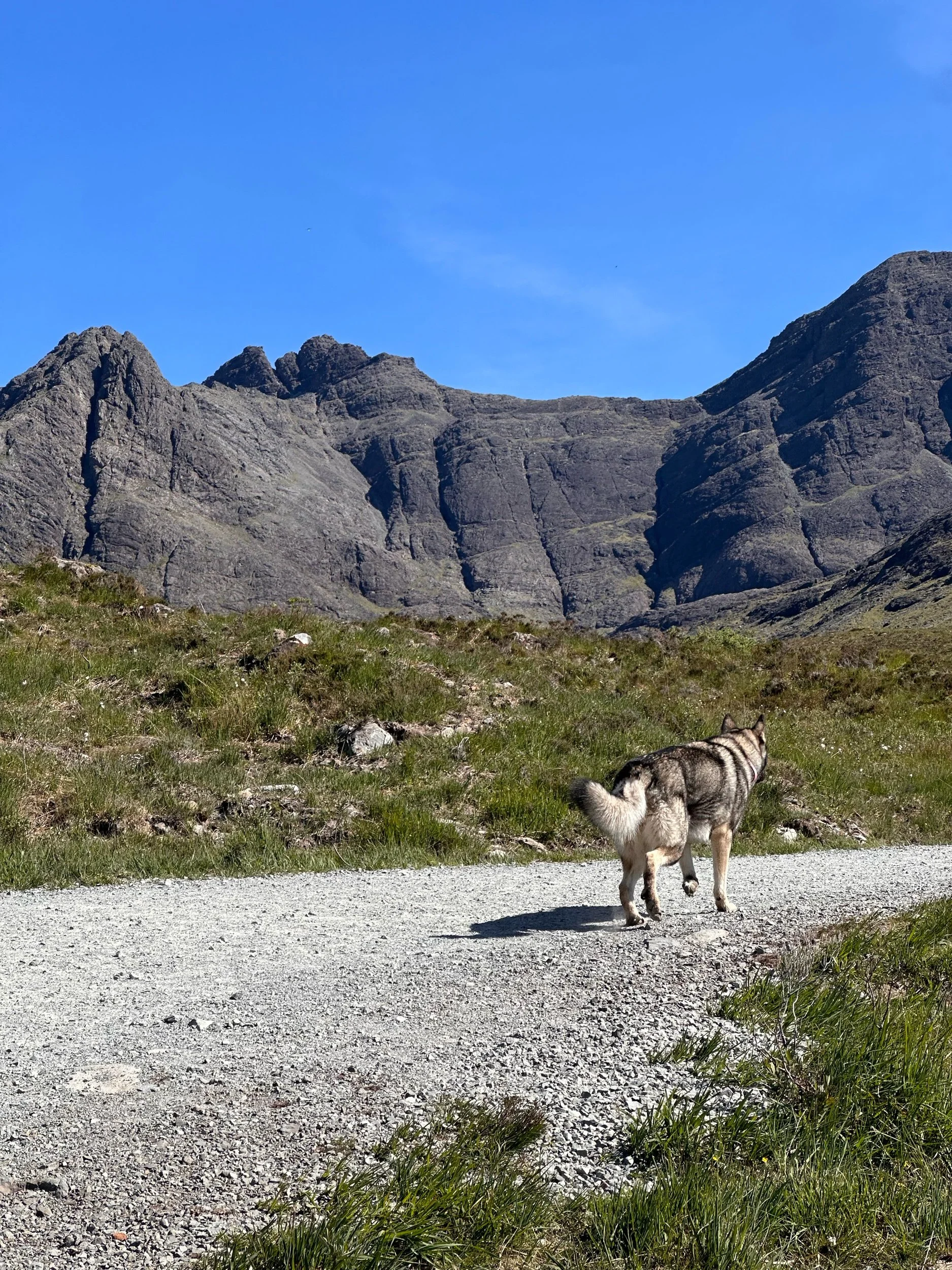 Image 1 of 20
 Image 2 of 20
 Image 3 of 20
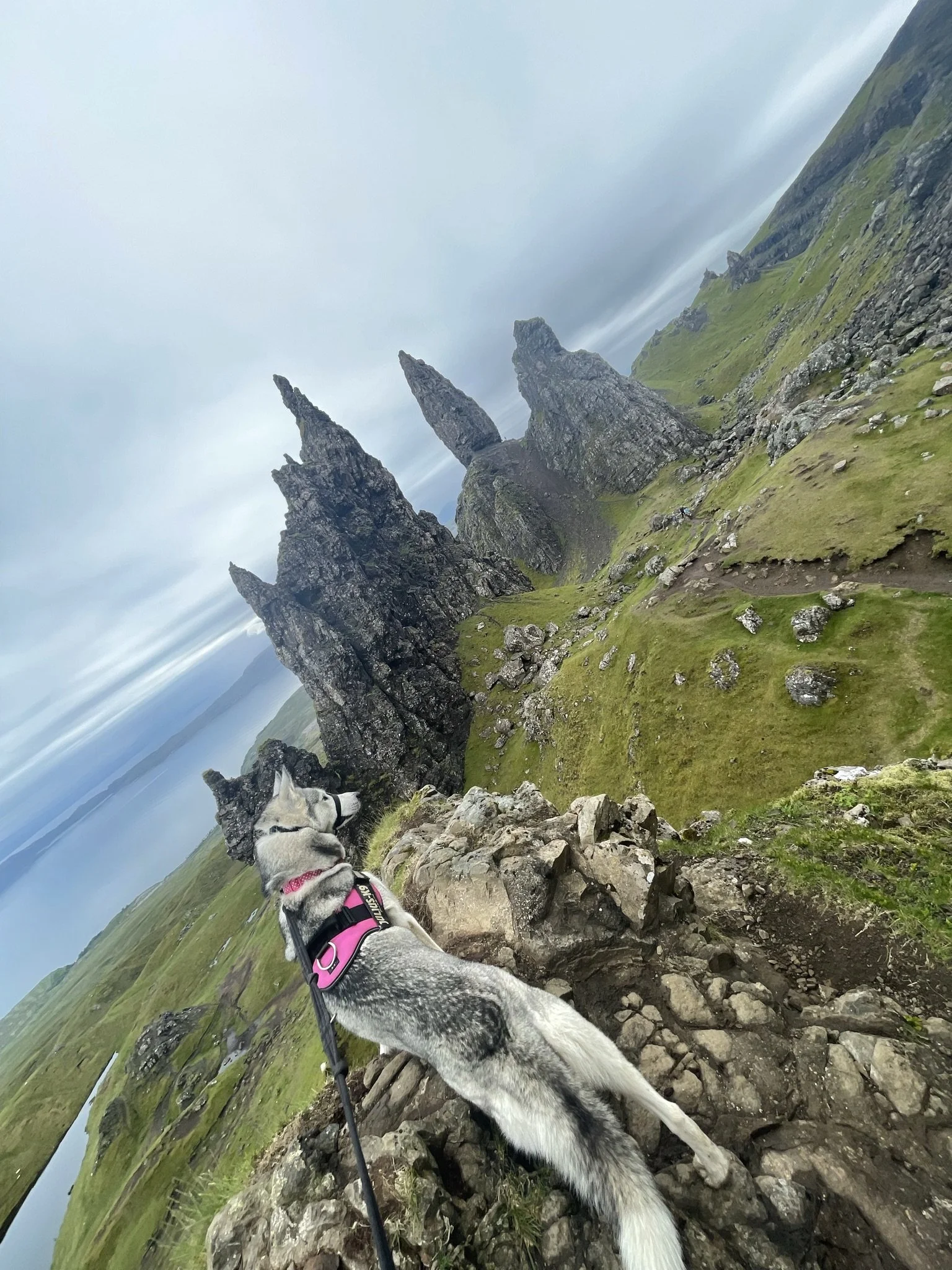 Image 4 of 20
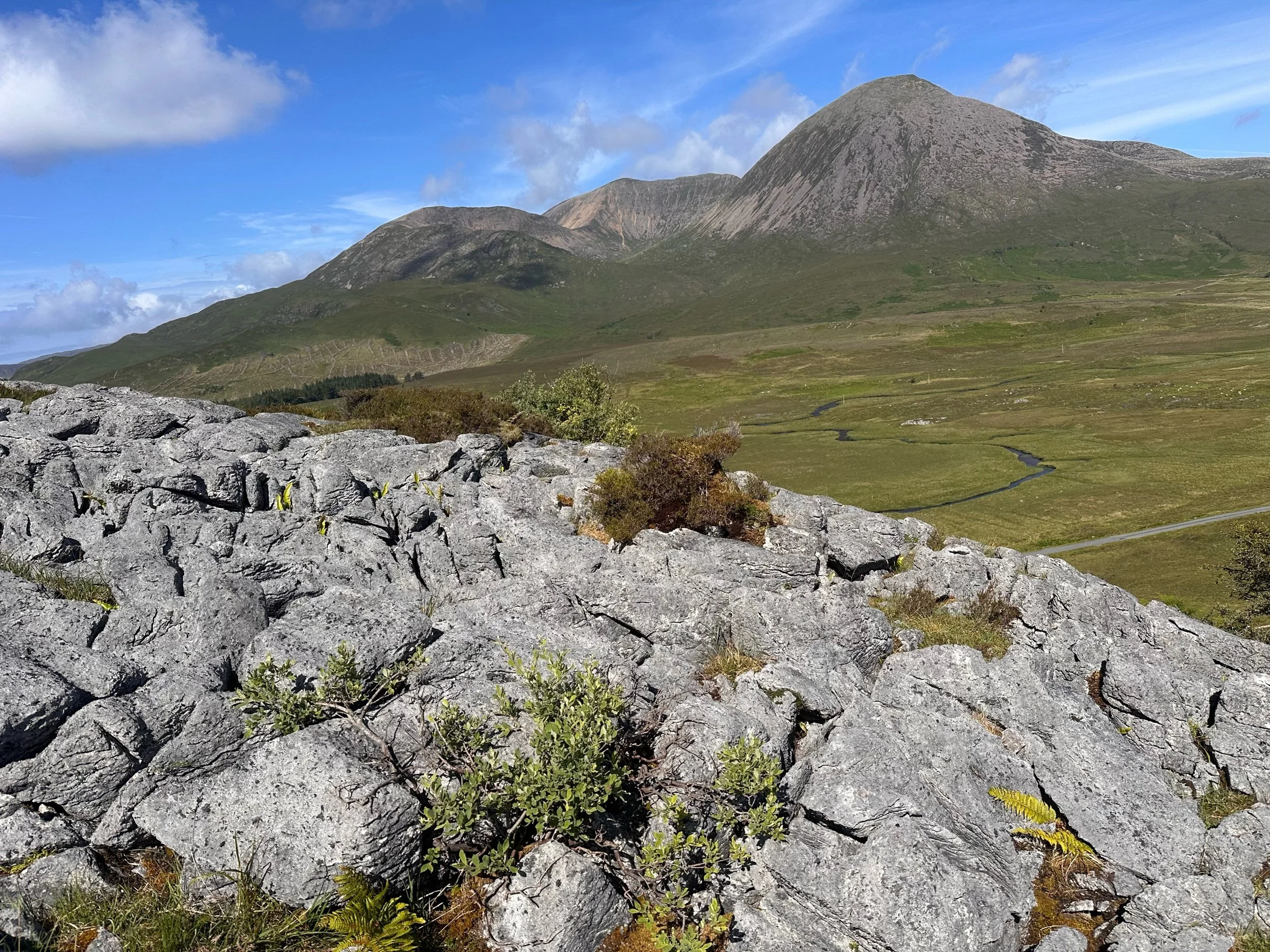 Image 5 of 20
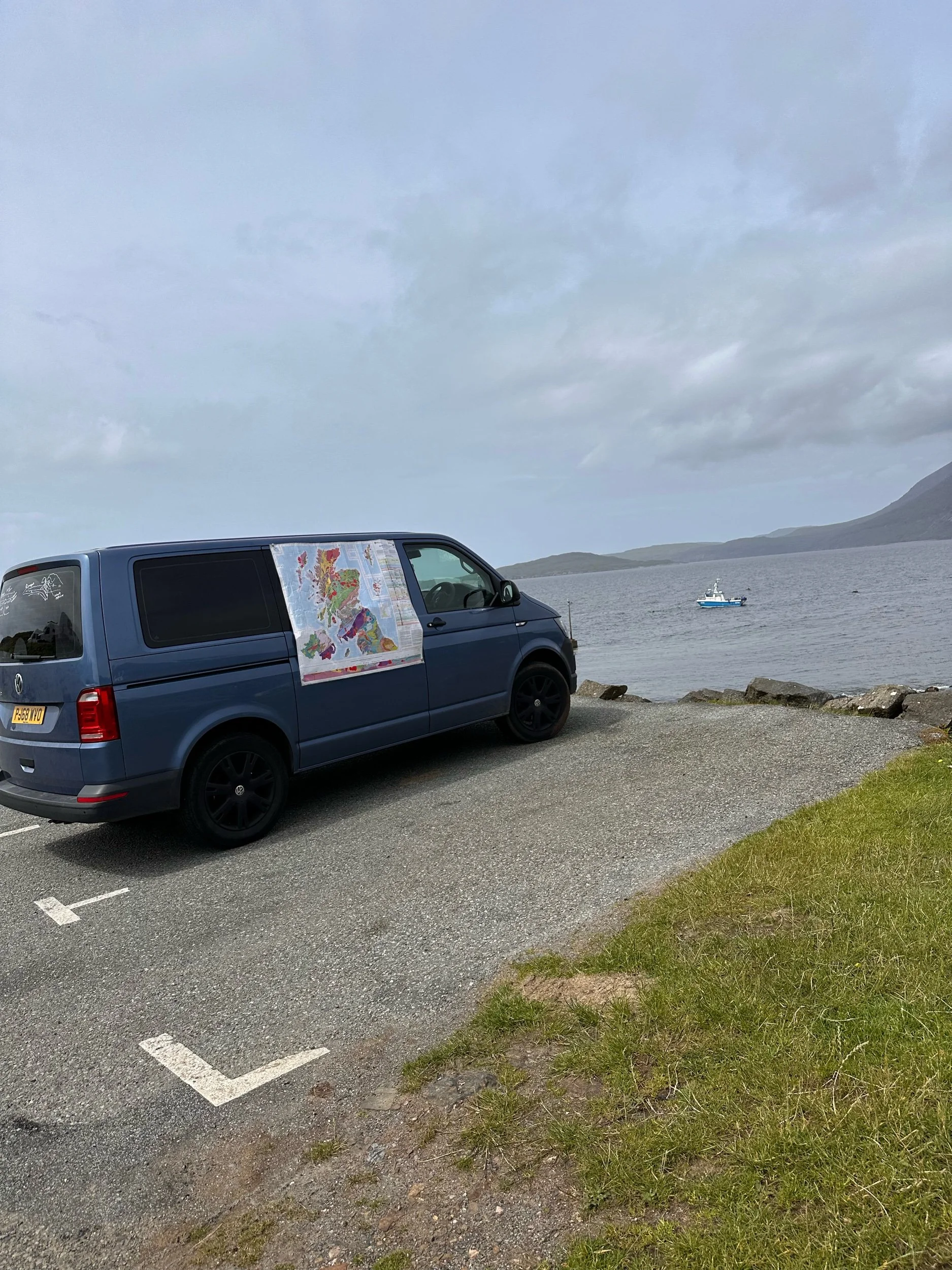 Image 6 of 20
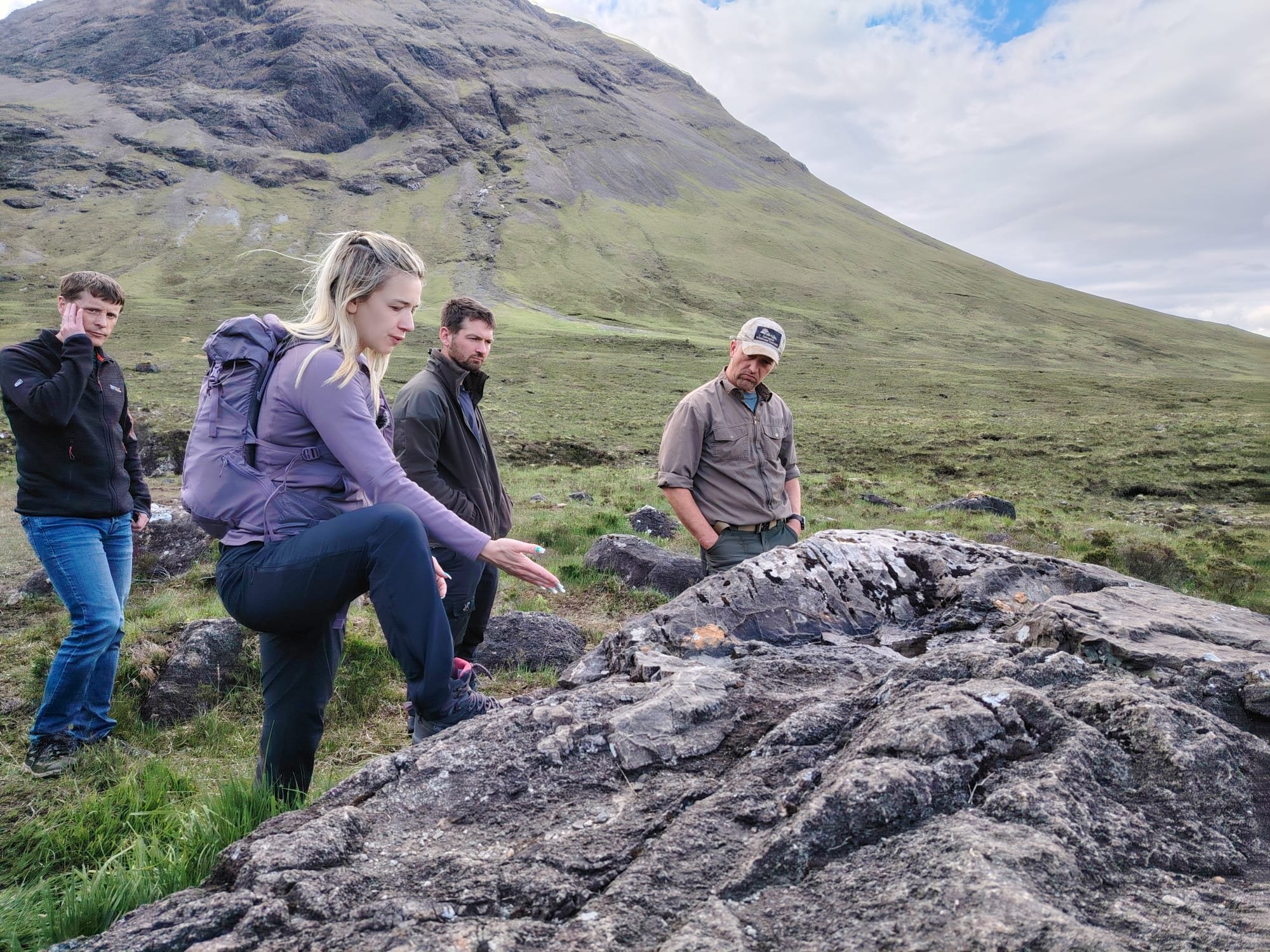 Image 7 of 20
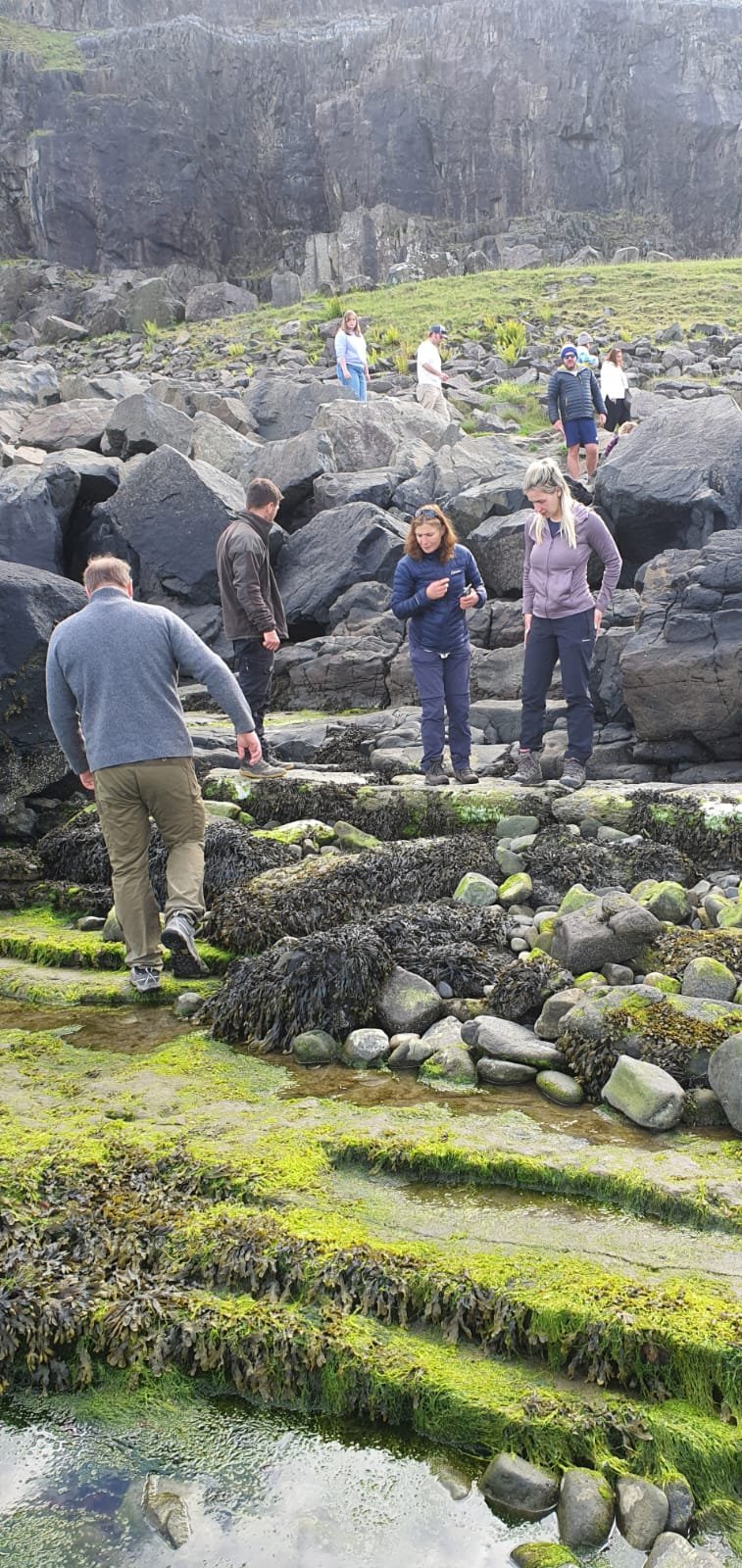 Image 8 of 20
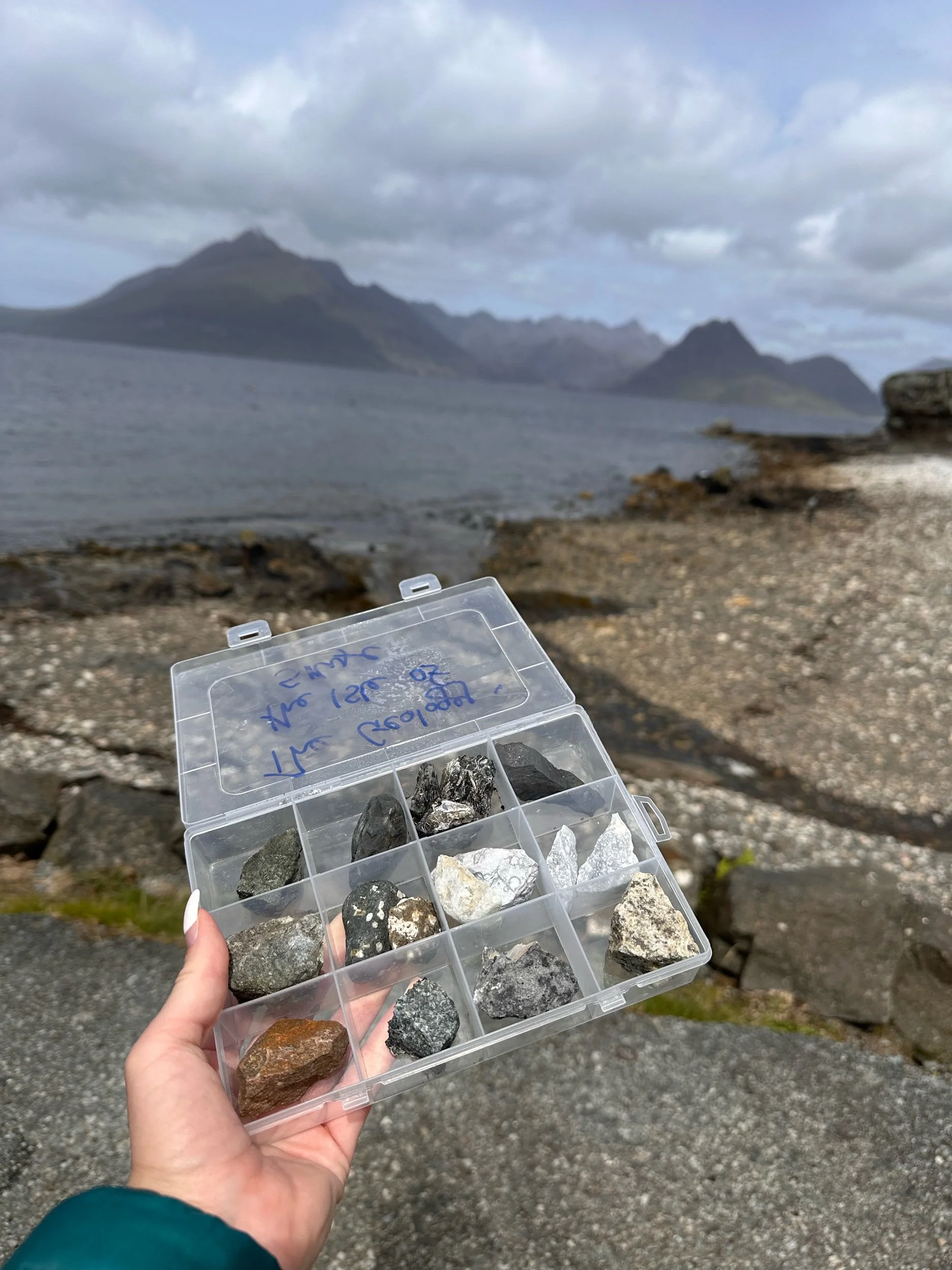 Image 9 of 20
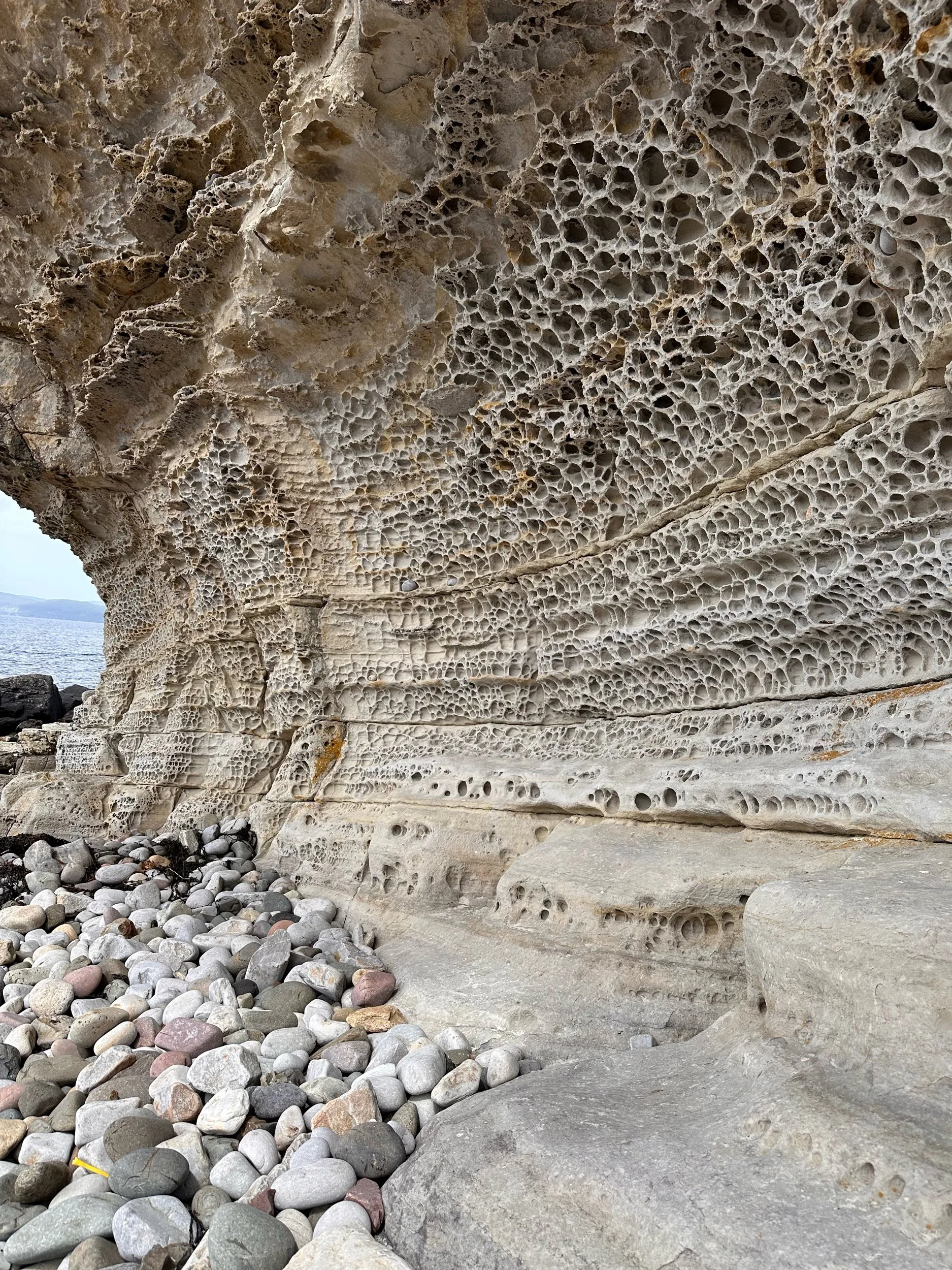 Image 10 of 20
 Image 11 of 20
 Image 12 of 20
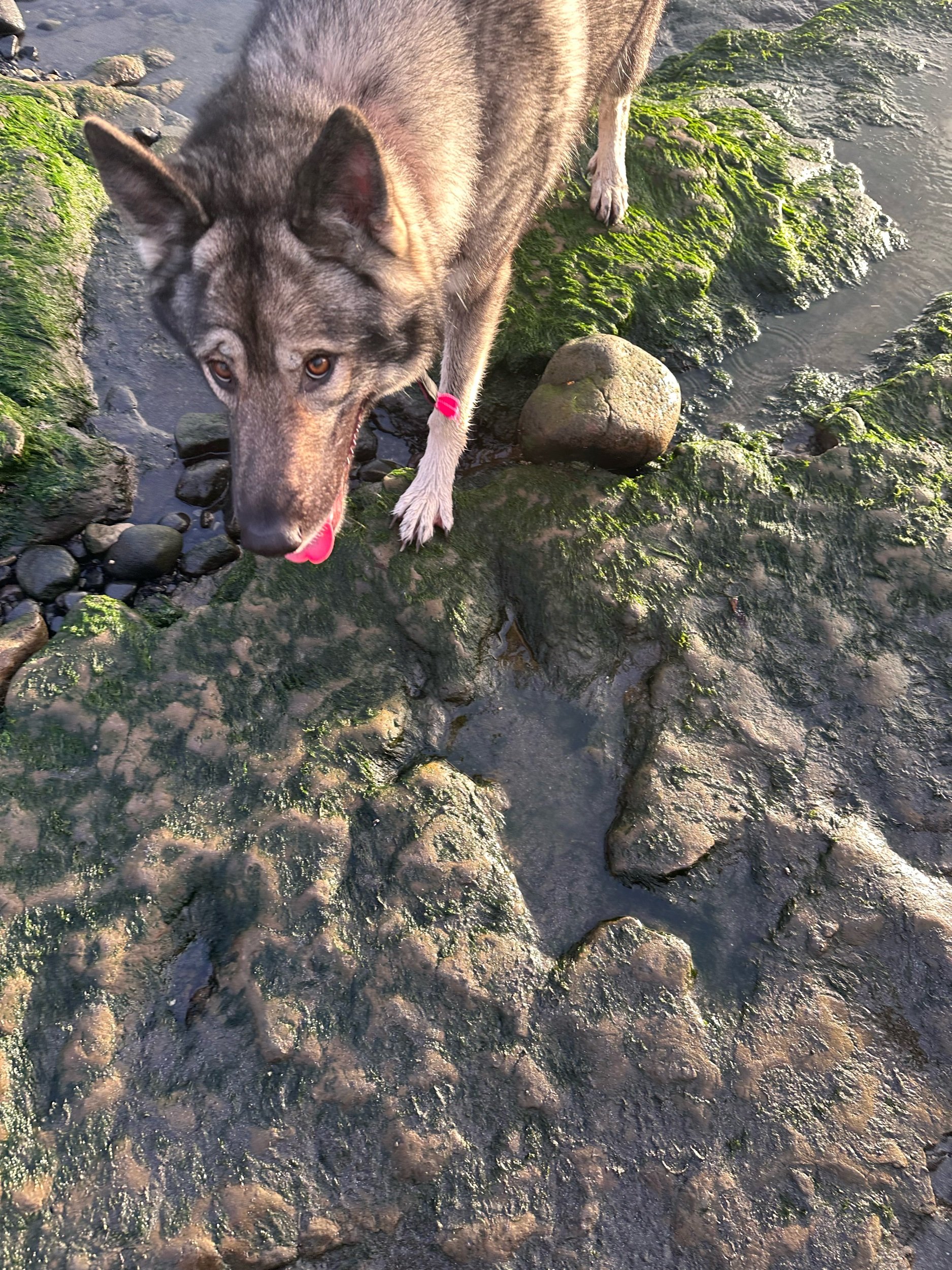 Image 13 of 20
 Image 14 of 20
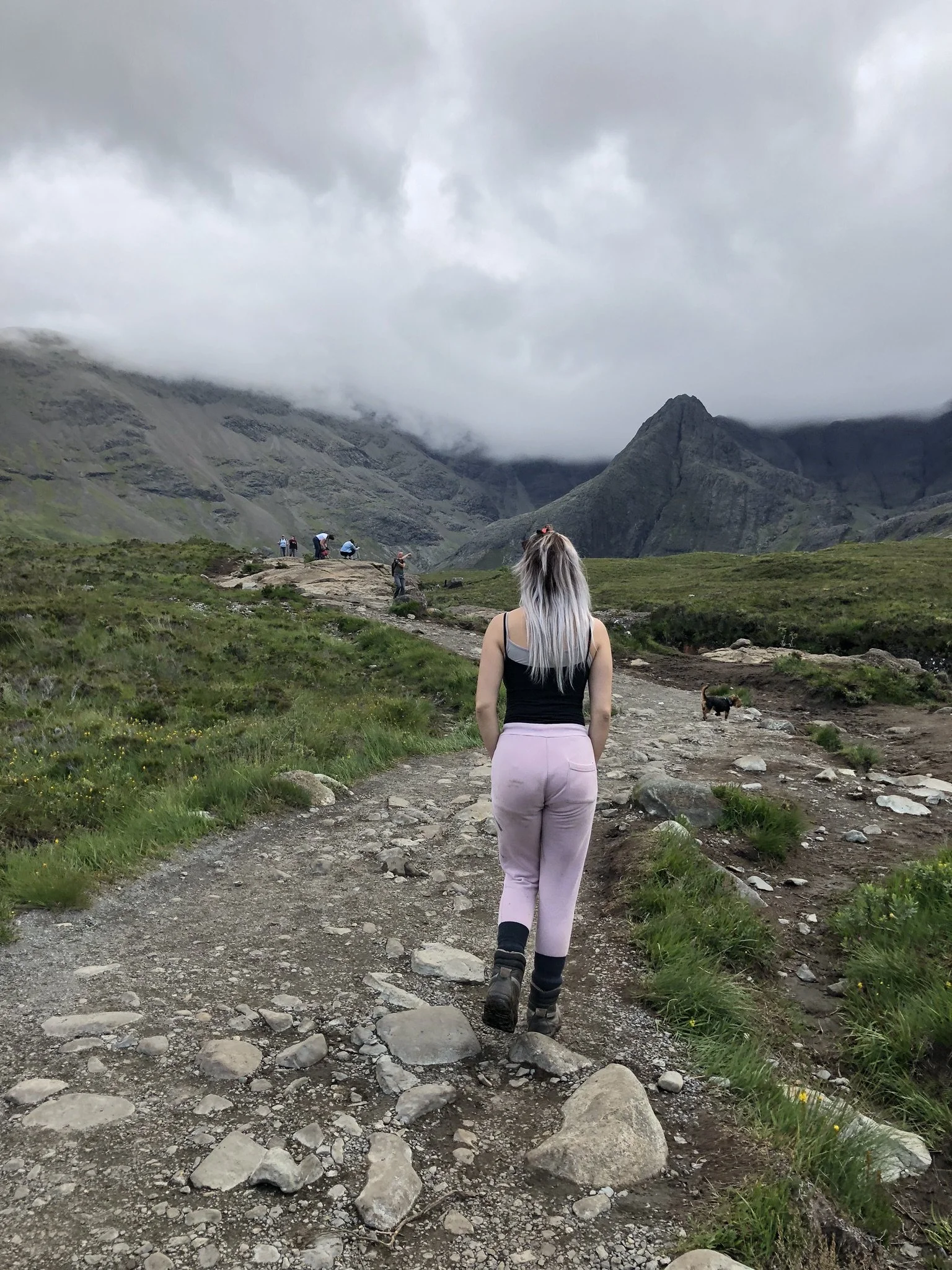 Image 15 of 20
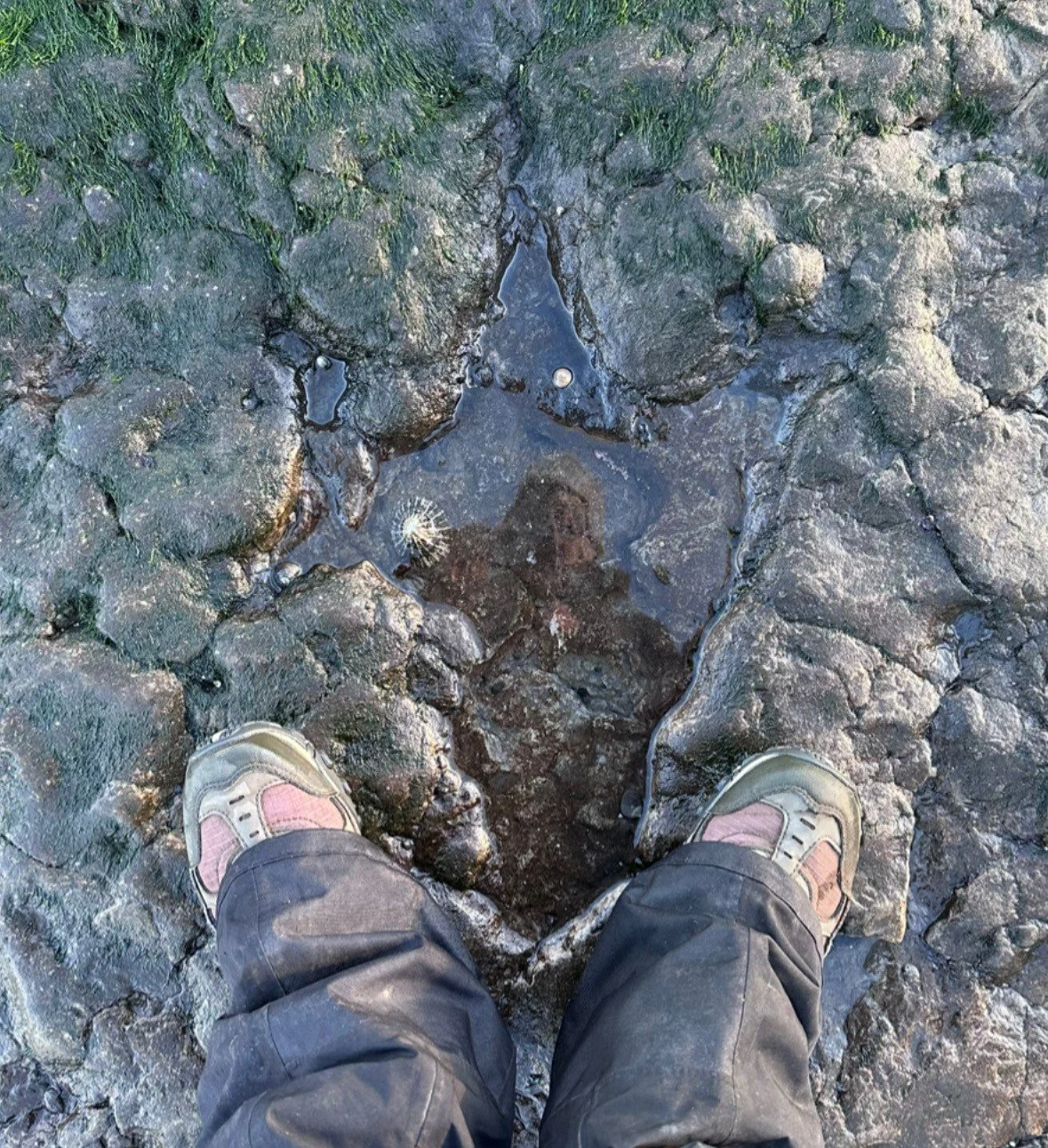 Image 16 of 20
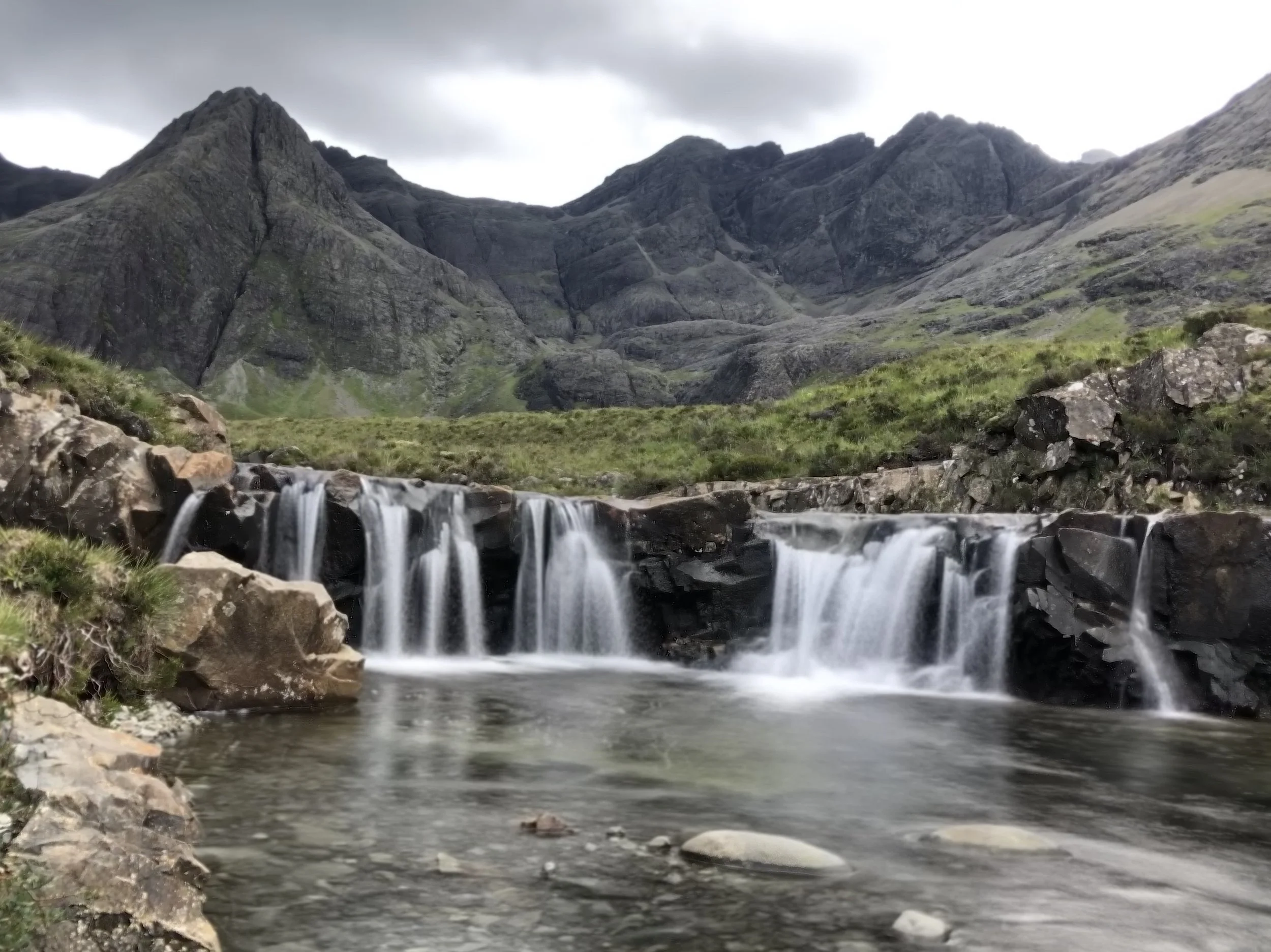 Image 17 of 20
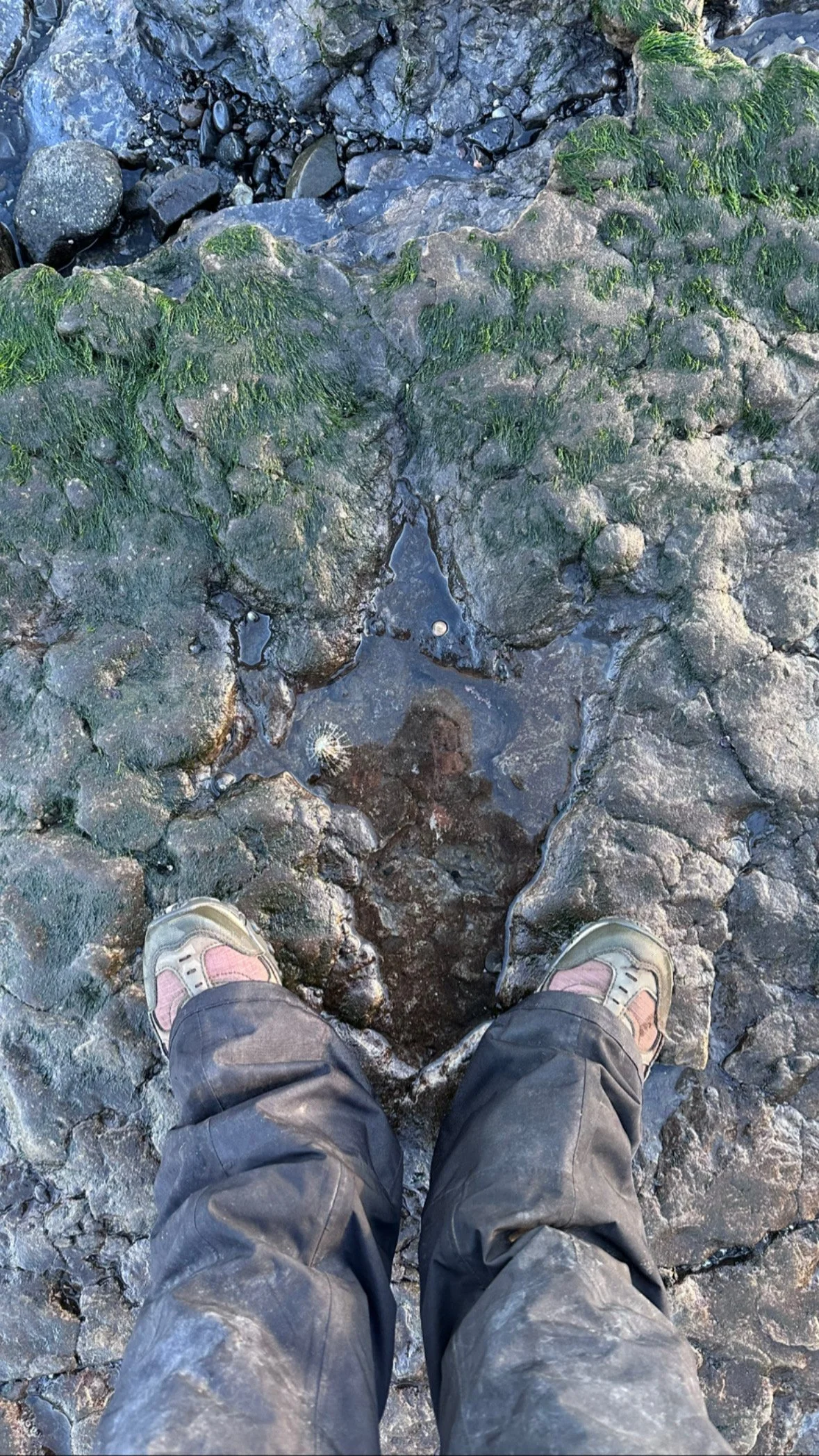 Image 18 of 20
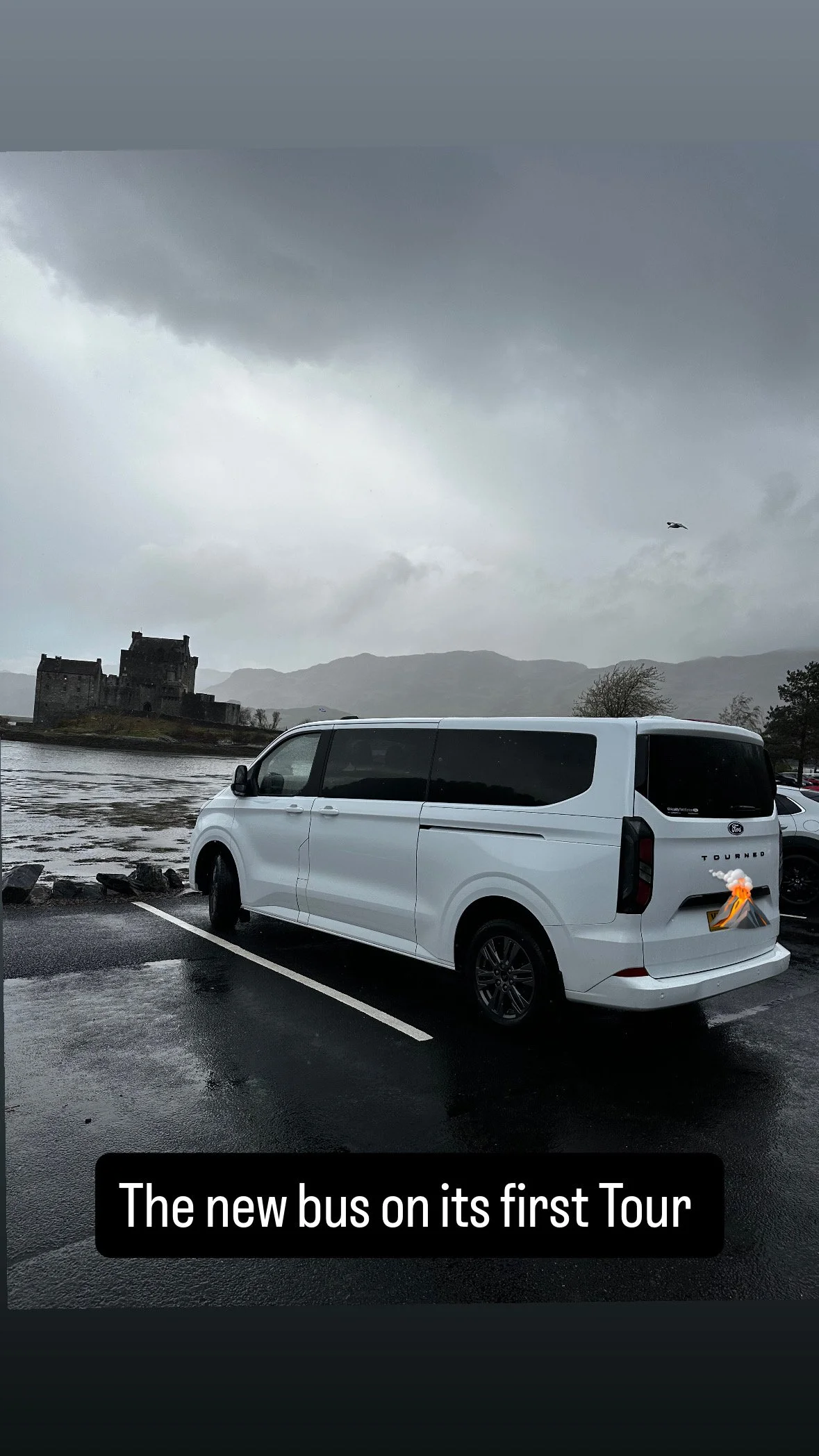 Image 19 of 20
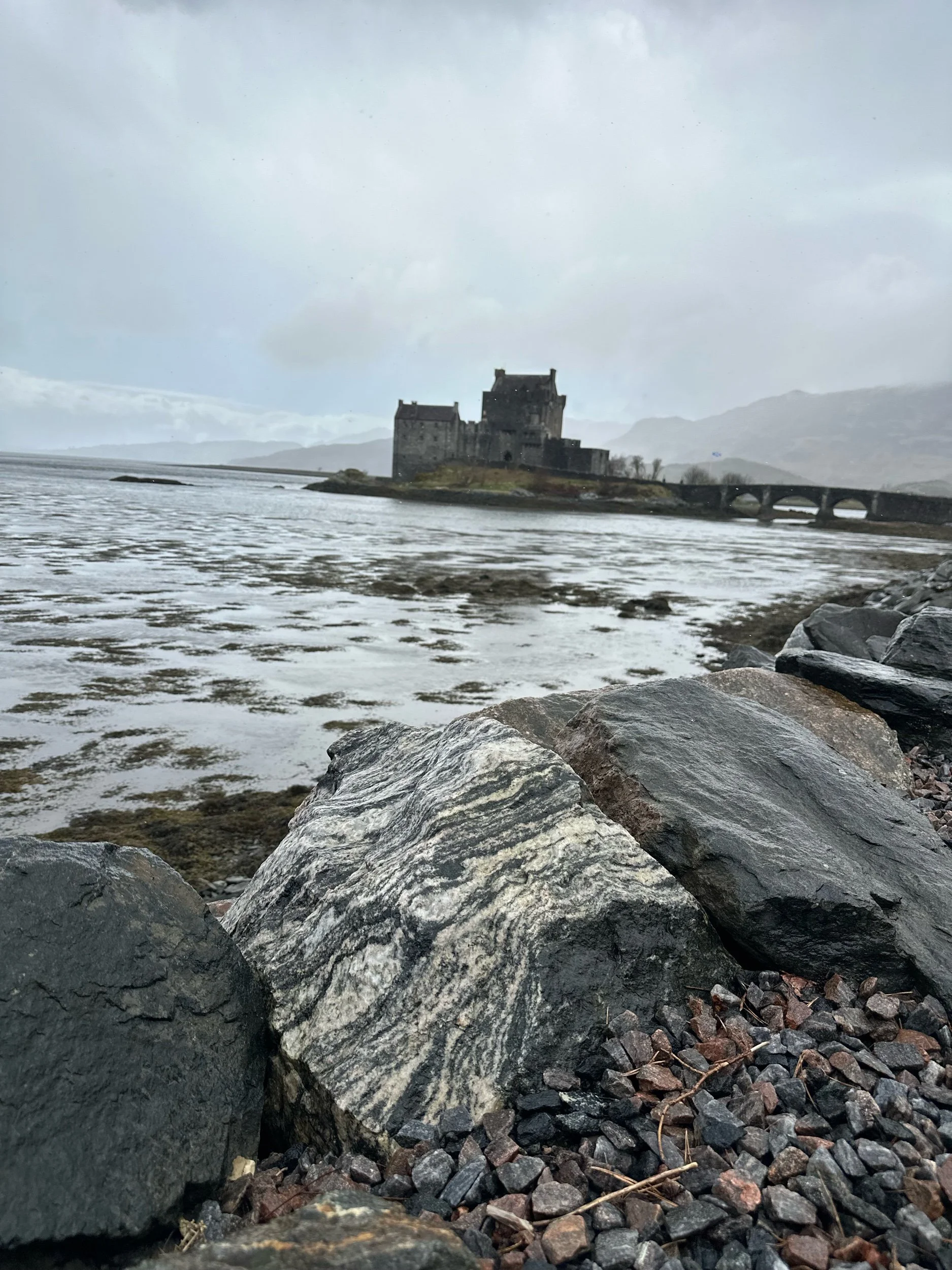 Image 20 of 20