The Geological Wonders of Scotland’s North West Highlands
A 5 day geological adventure with Scottish Geologist
Step into one of the most extraordinary geological landscapes anywhere in the world on this five-day adventure through the North West Highlands of Scotland.
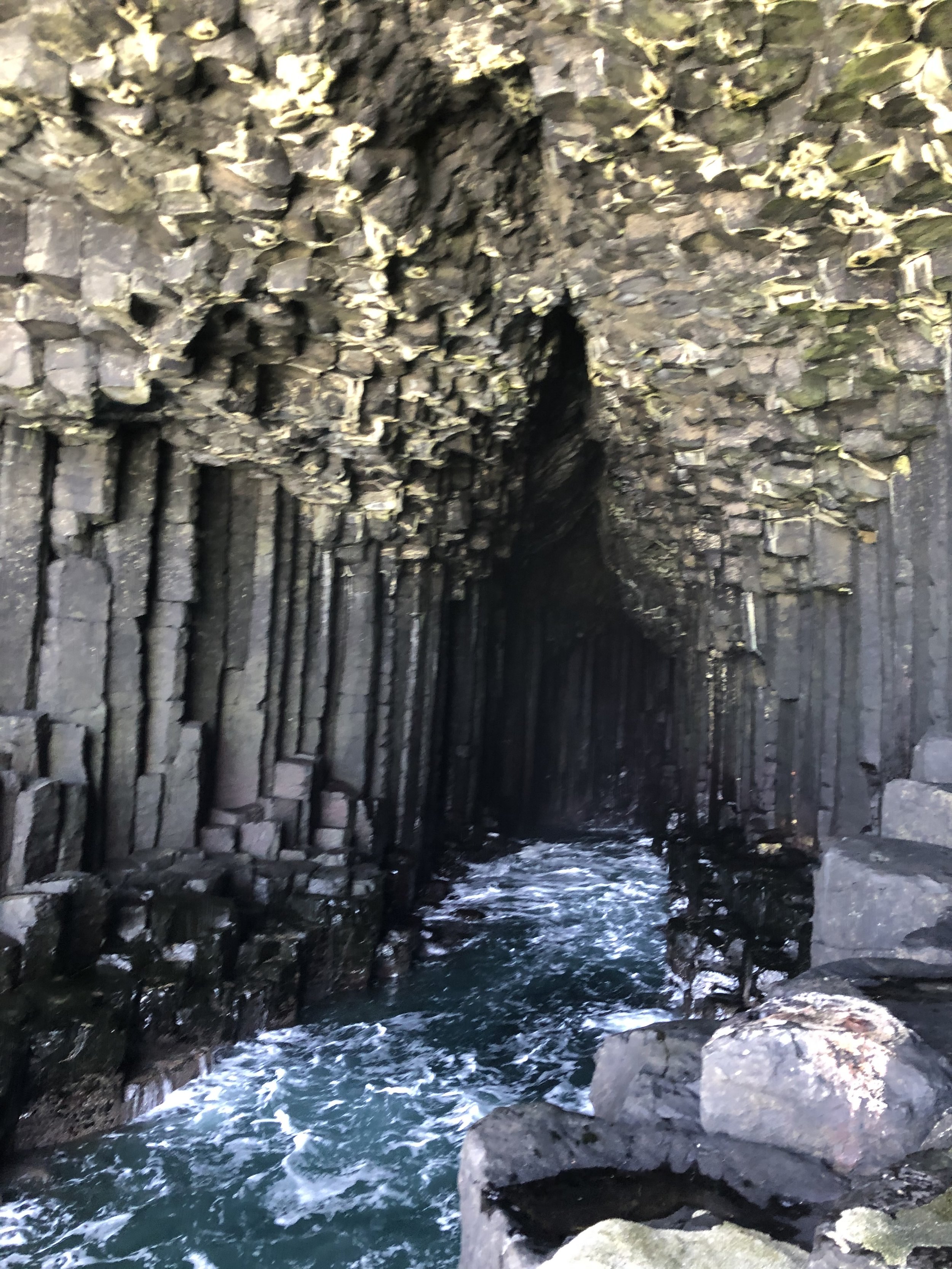
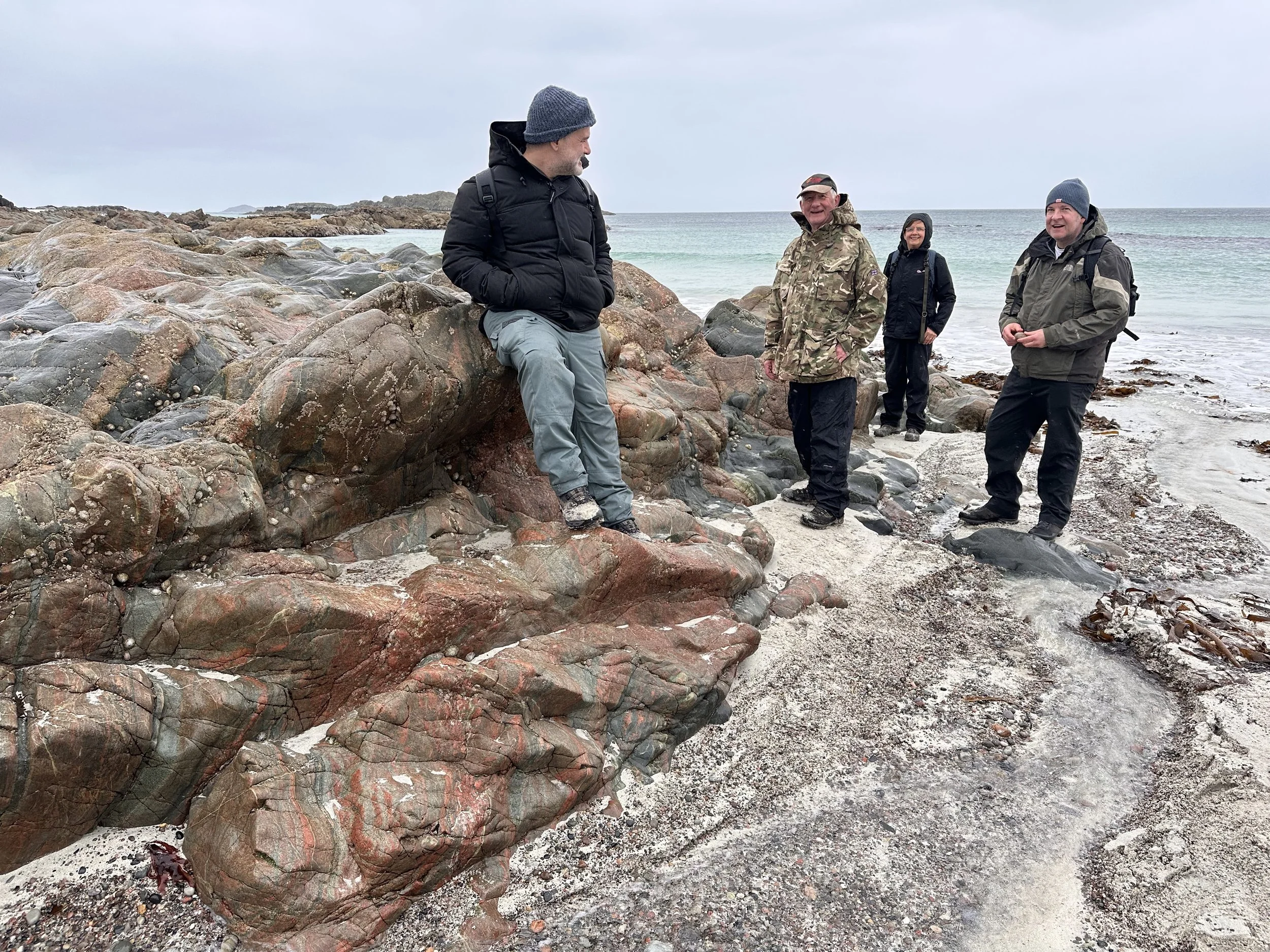
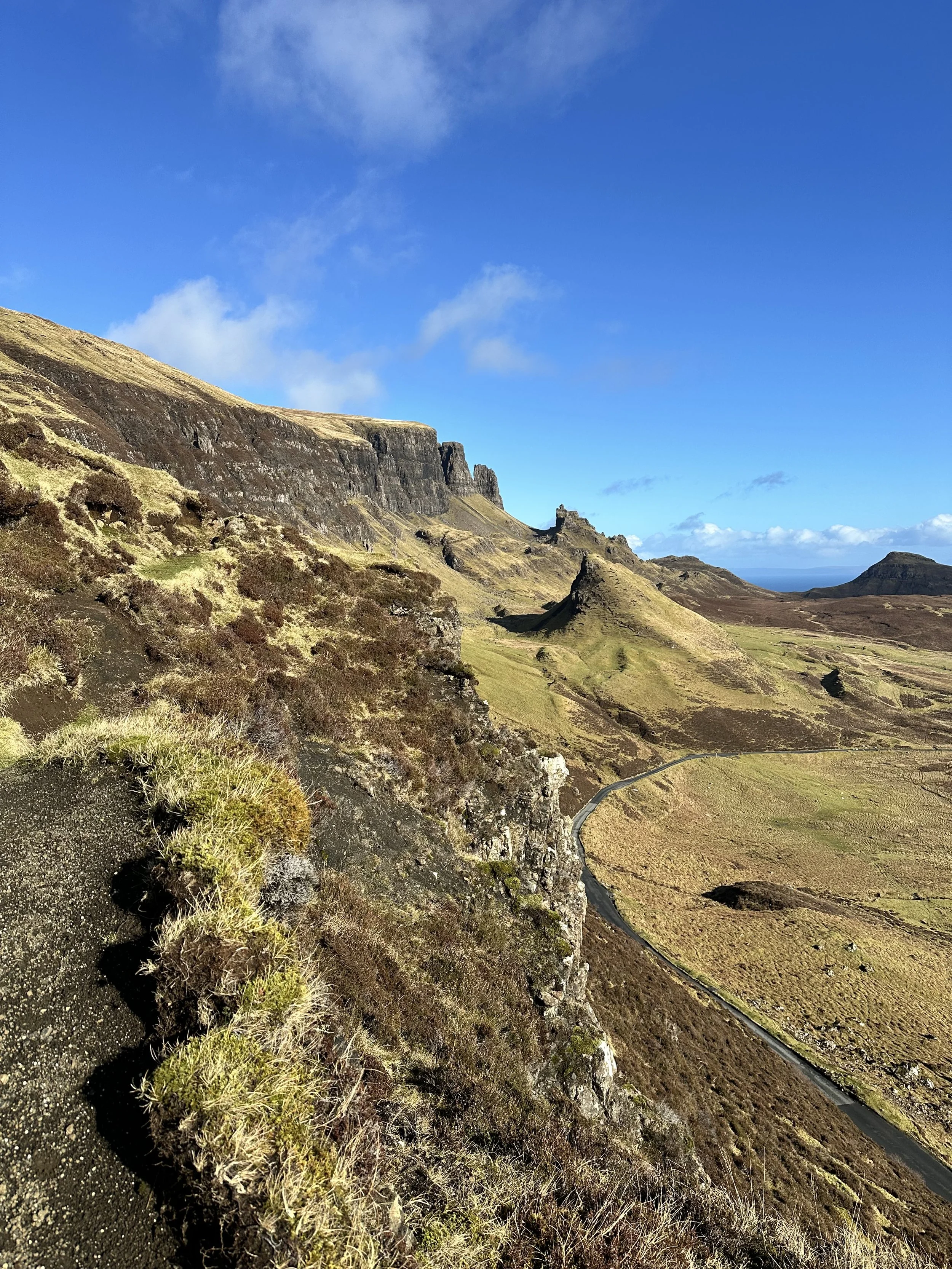
This is a landscape shaped by almost three billion years of Earth history. Here, ancient Lewisian gneiss forms the foundations of the landscape, towering mountains of Torridonian sandstone rise dramatically from the surrounding moorland, and pale ridges of Cambrian quartzite mark the remains of a long-lost tropical coastline.
The North West Highlands are also home to the internationally important Moine Thrust Zone—a landscape that transformed our understanding of how mountains are formed and helped settle one of the greatest geological debates of the nineteenth century.
Over five days, we will travel through Assynt, explore the dramatic northwest coast and uncover the story of the rocks, faults, glaciers and ancient environments that created this remarkable part of Scotland.
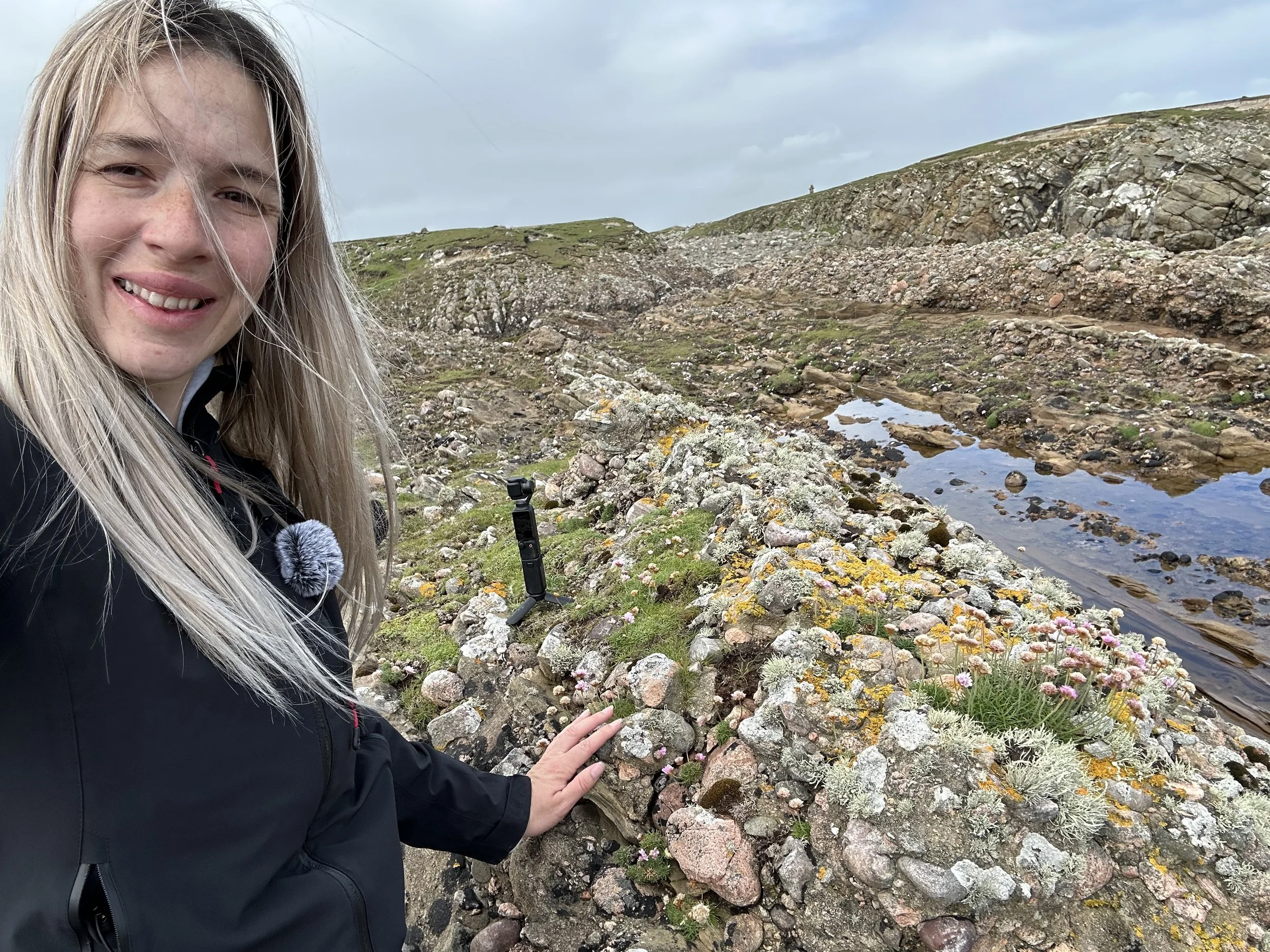
Led by Luisa Hendry, the Scottish Geologist, this excursion brings geology to life through stories, field observations and accessible explanations. You do not need any previous geological knowledge to join—just curiosity, suitable outdoor clothing and a sense of adventure.
Tour Highlights
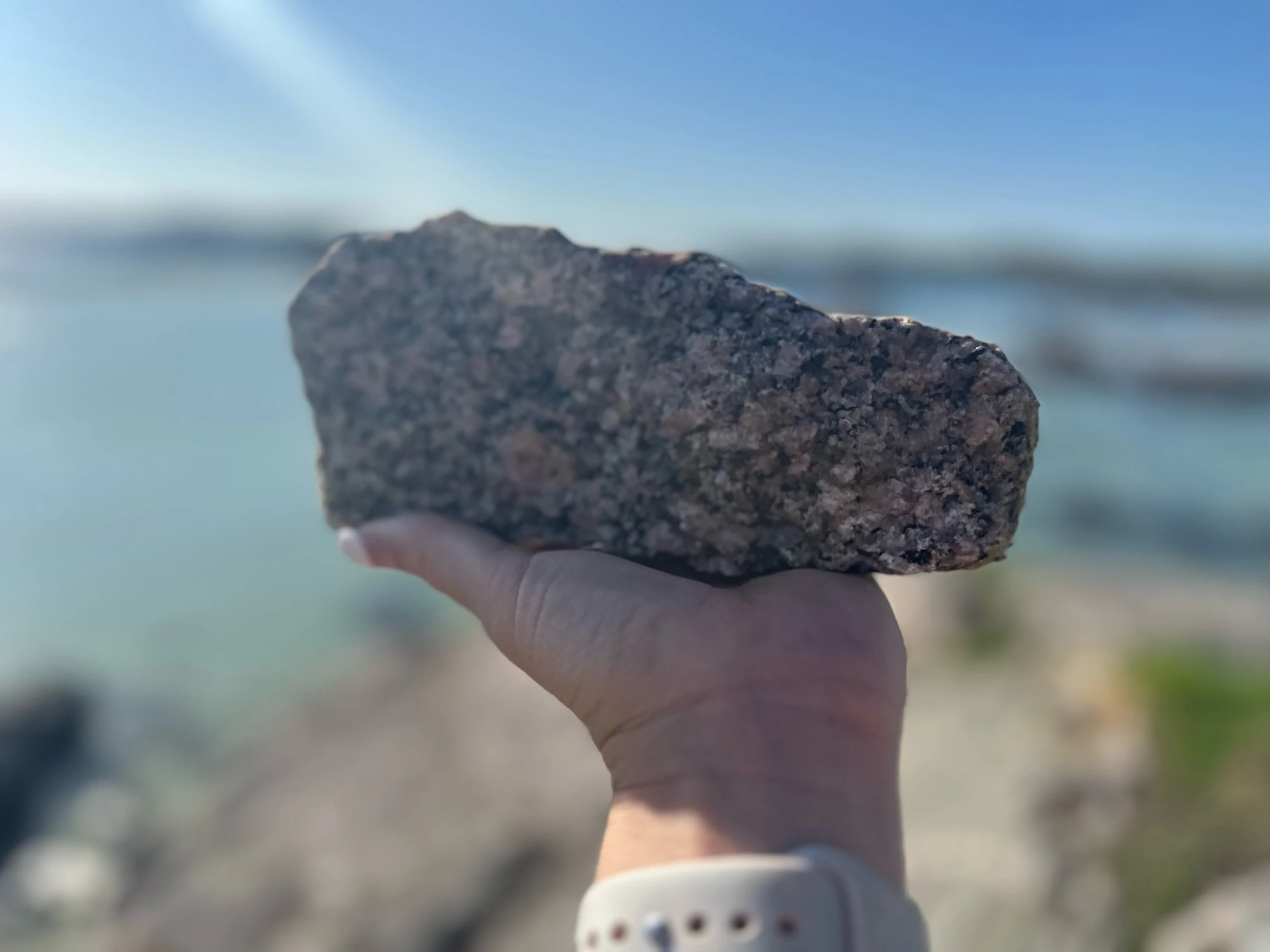
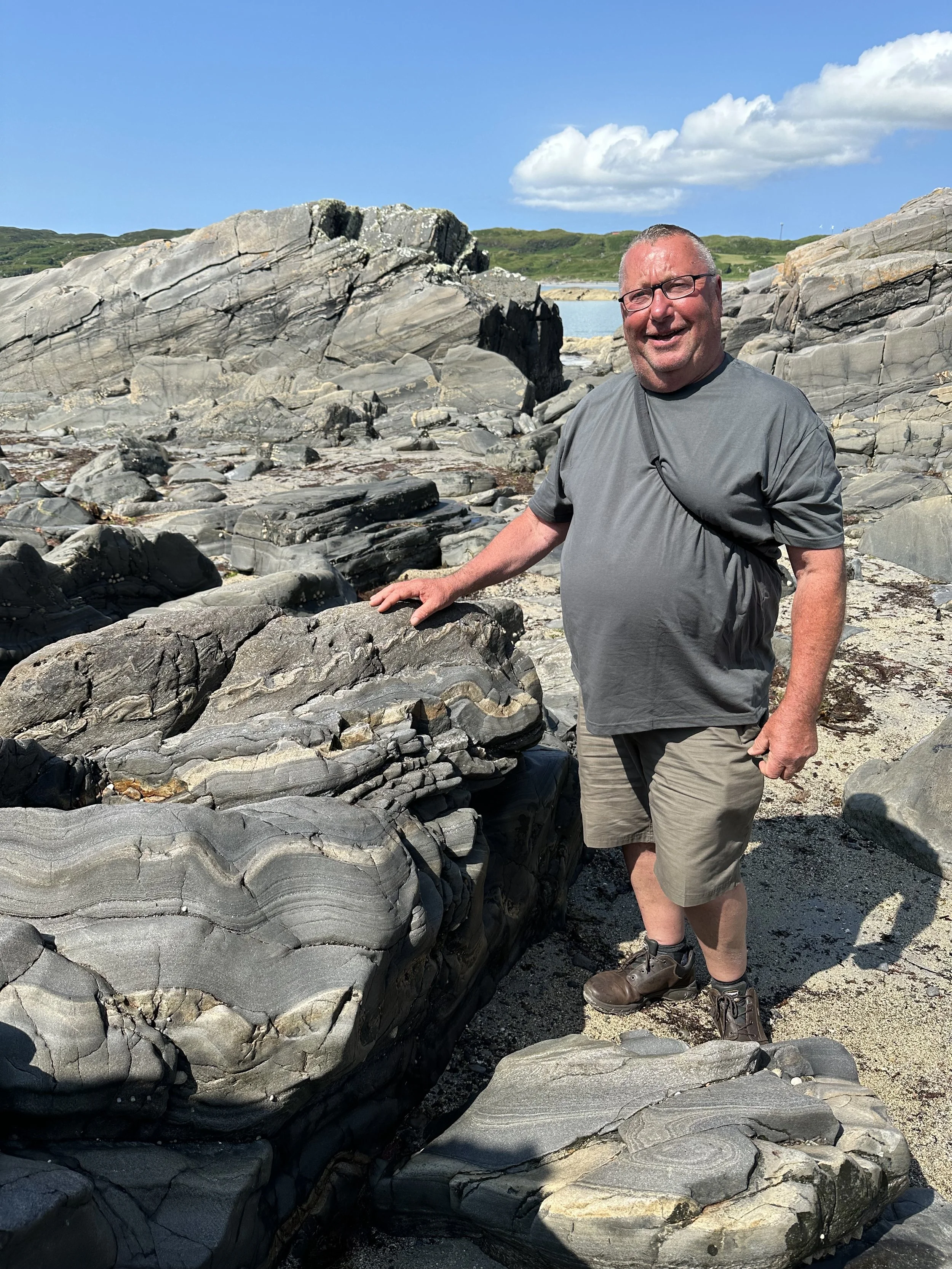
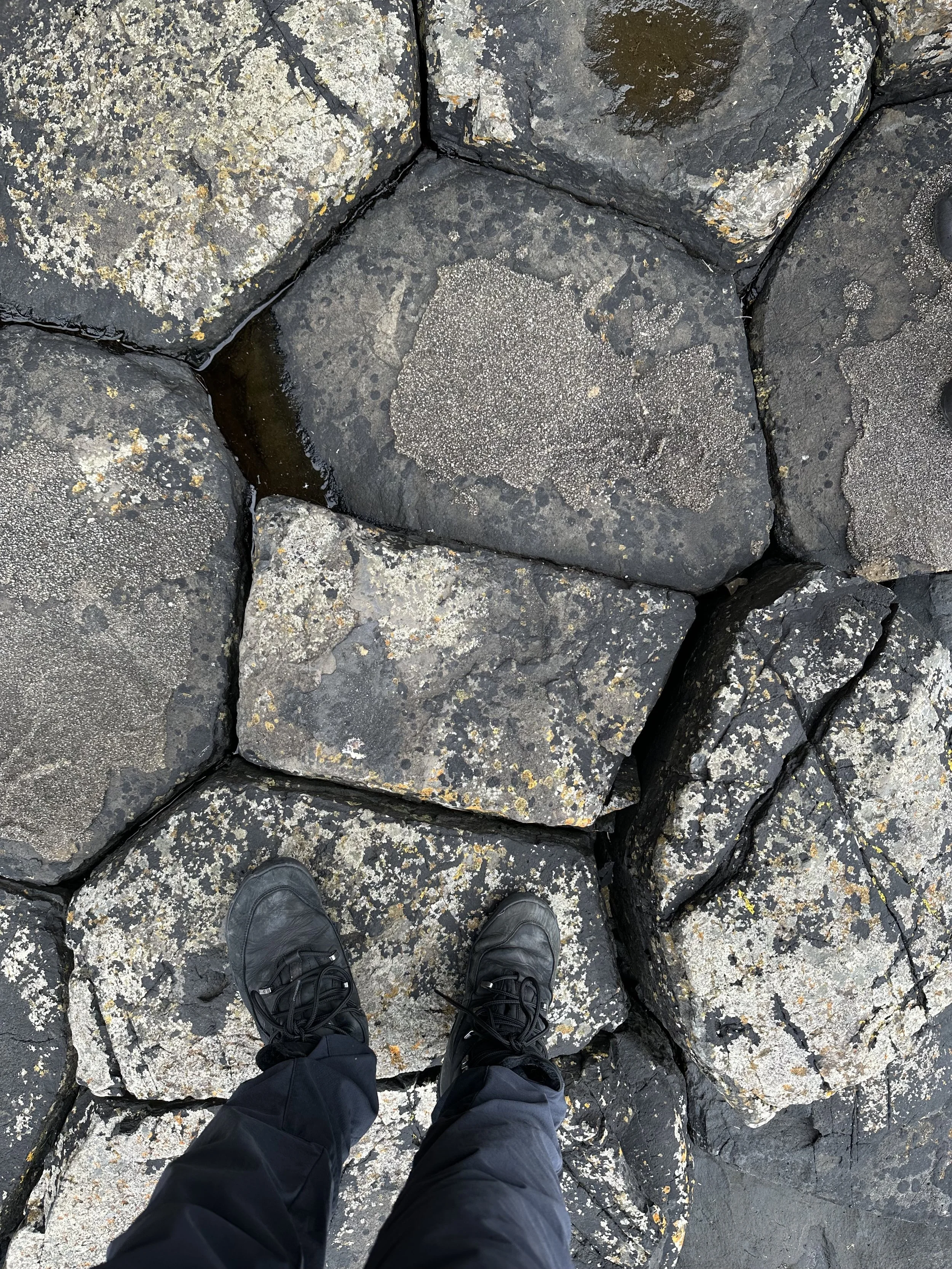
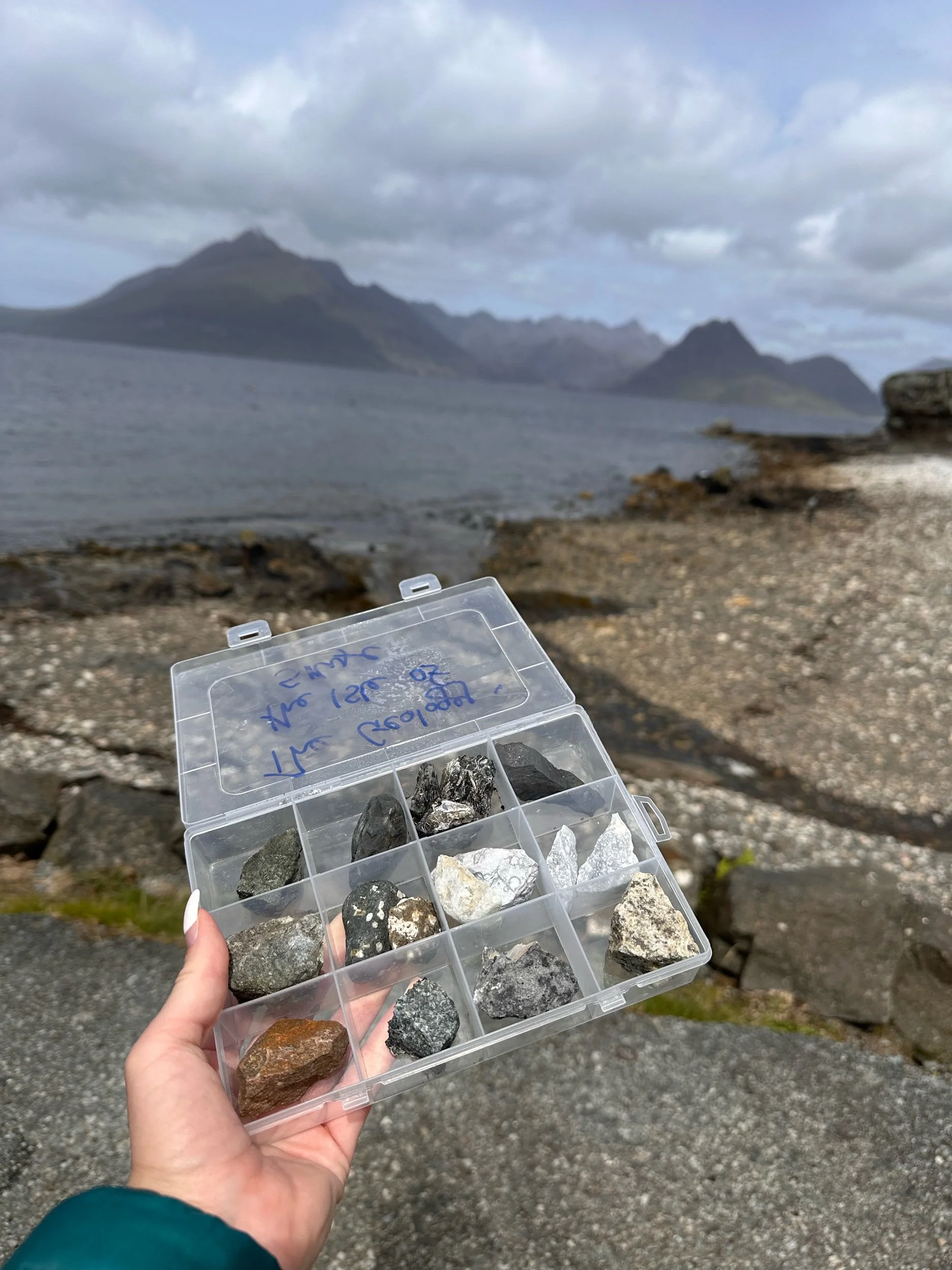
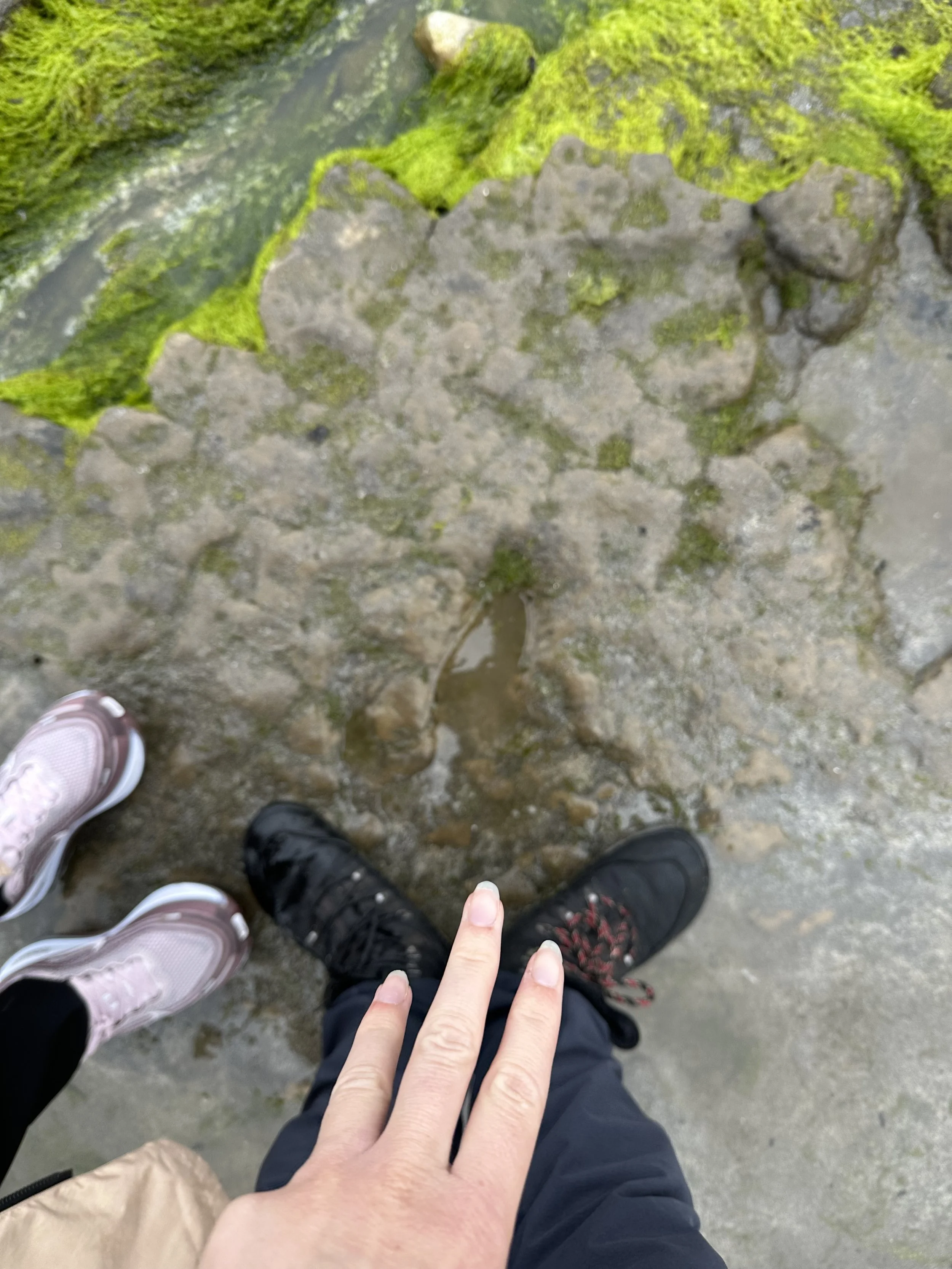
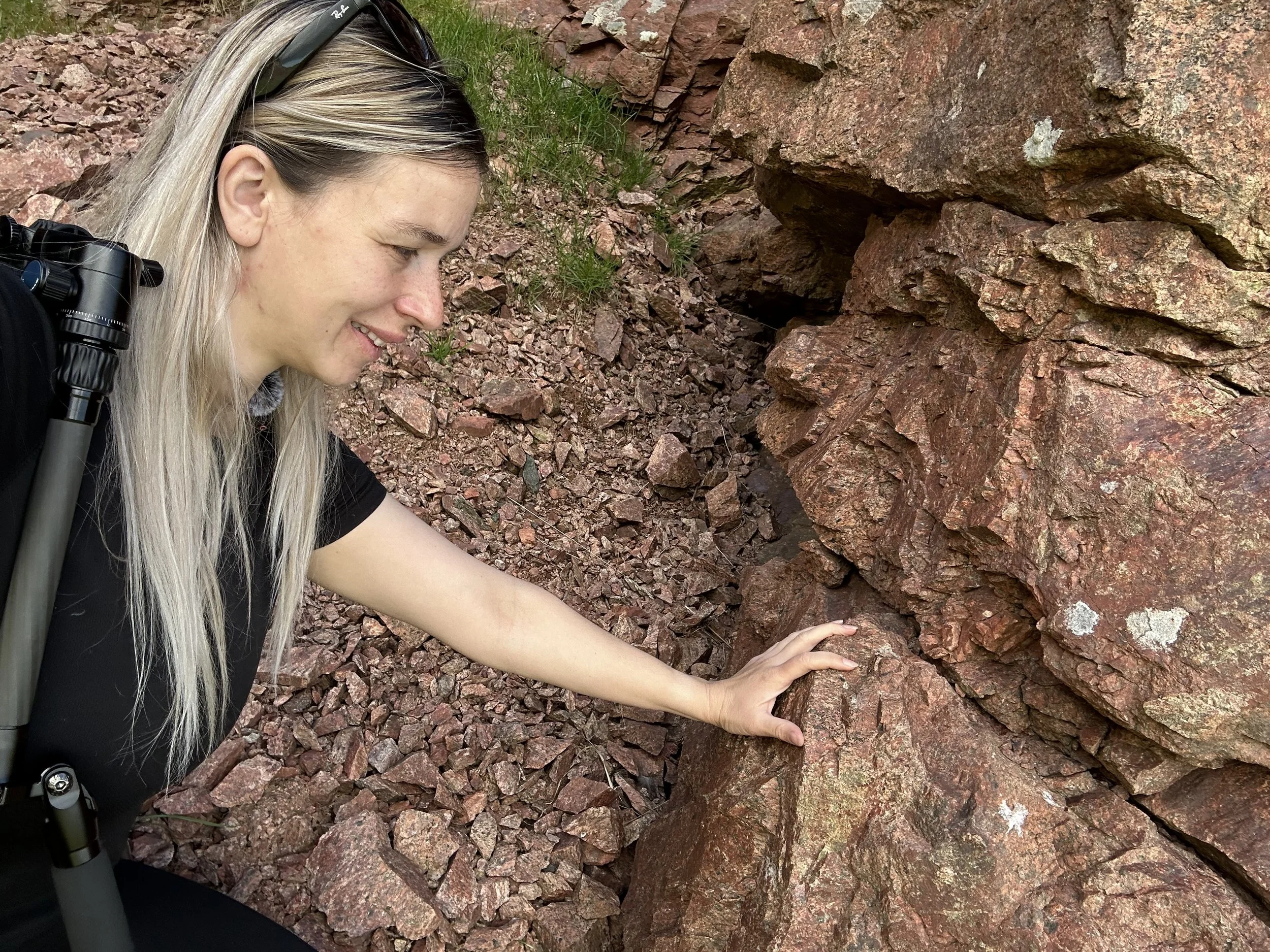
Hold some of the oldest rocks found anywhere in Europe
Discover almost three billion years of geological history
Explore the world-famous Moine Thrust Zone
Visit Knockan Crag National Nature Reserve
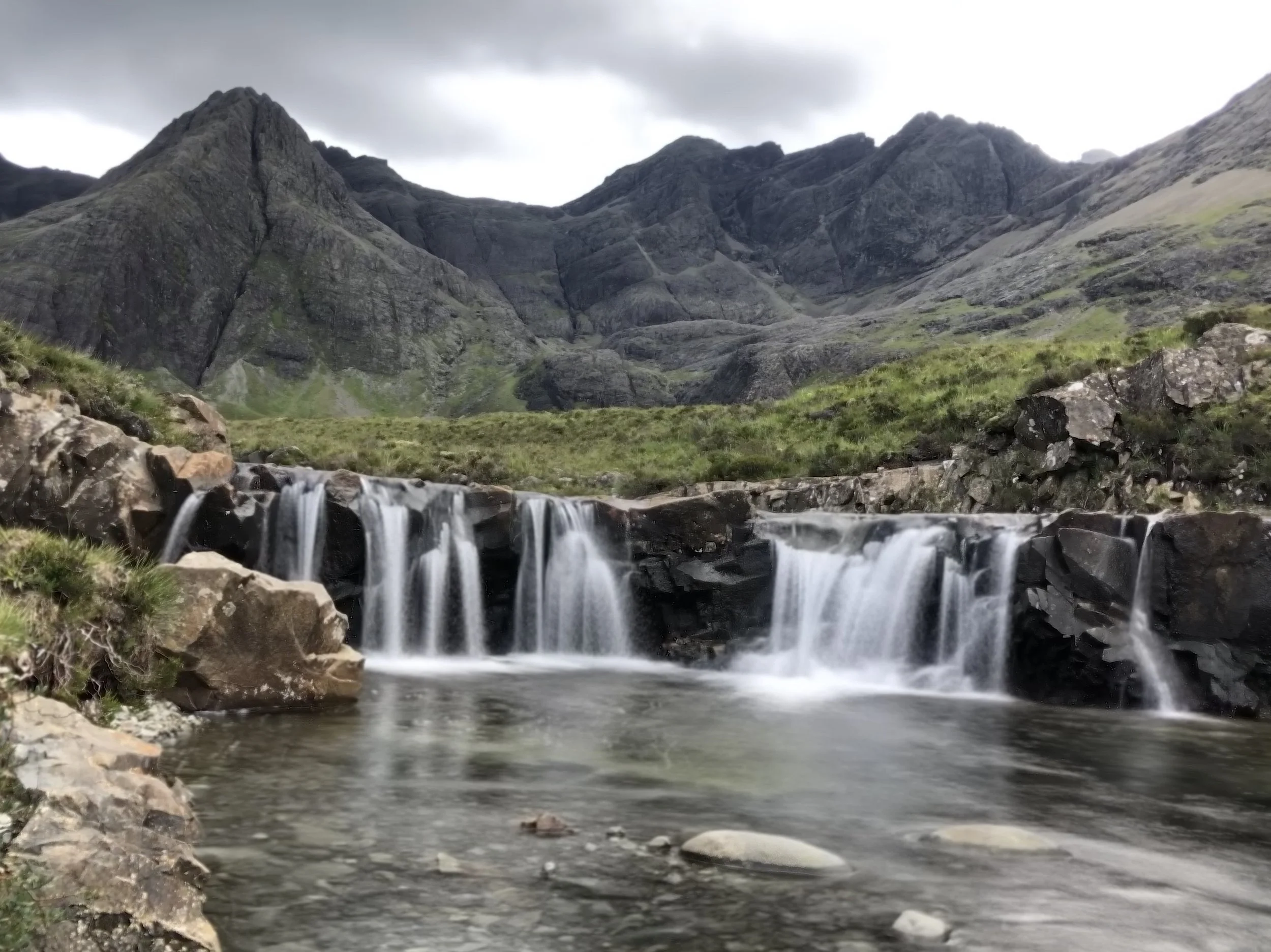
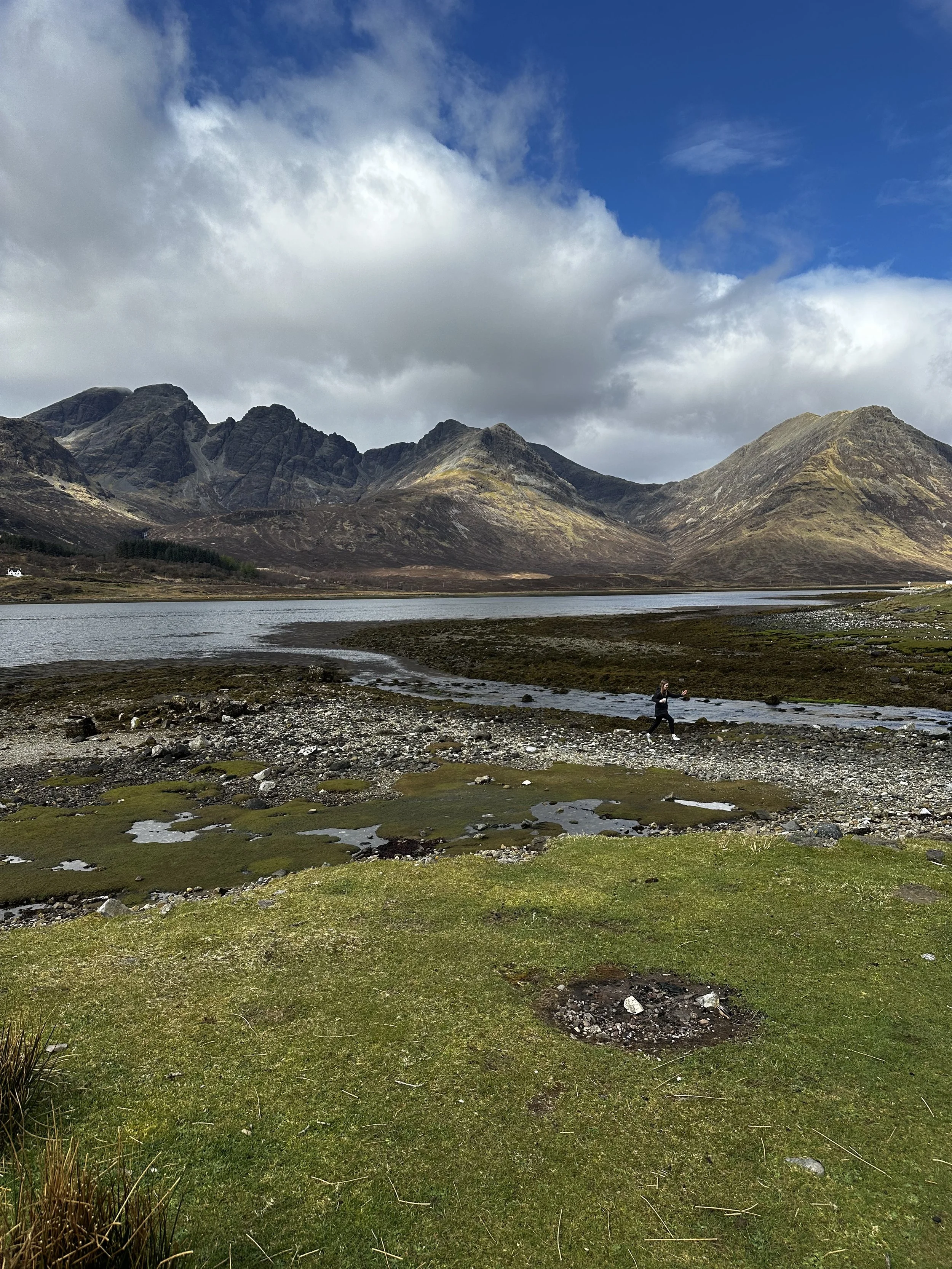
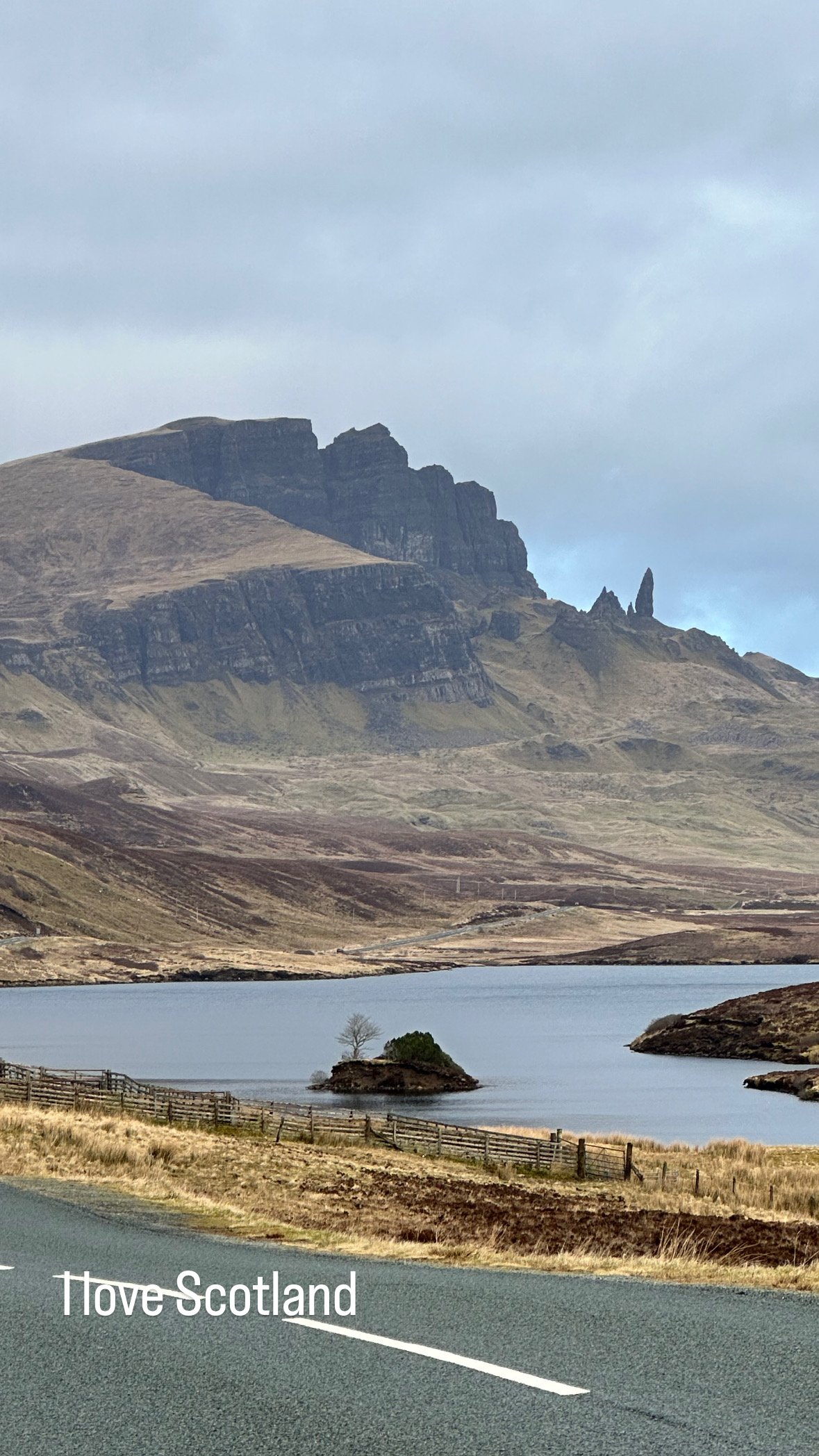
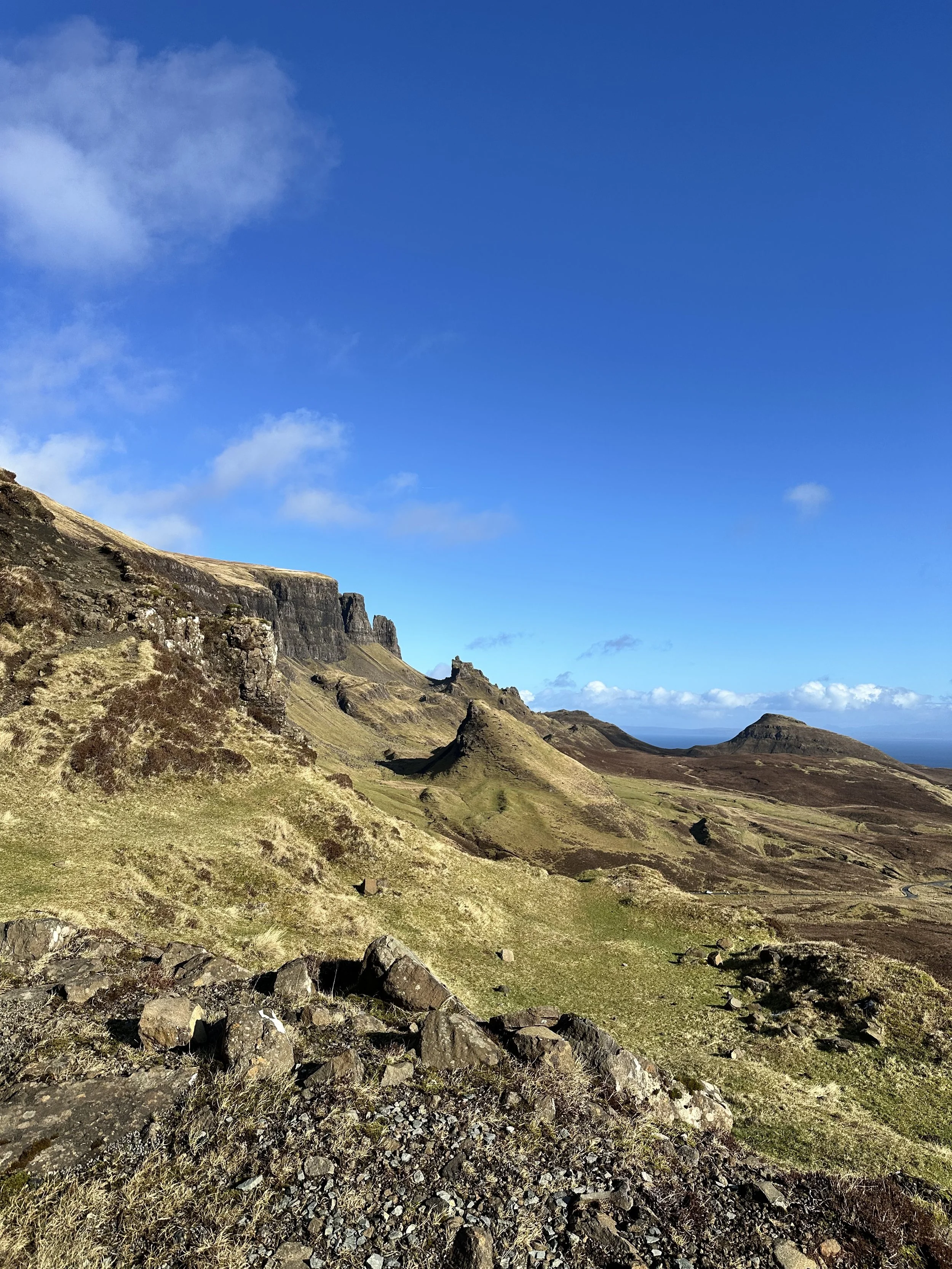
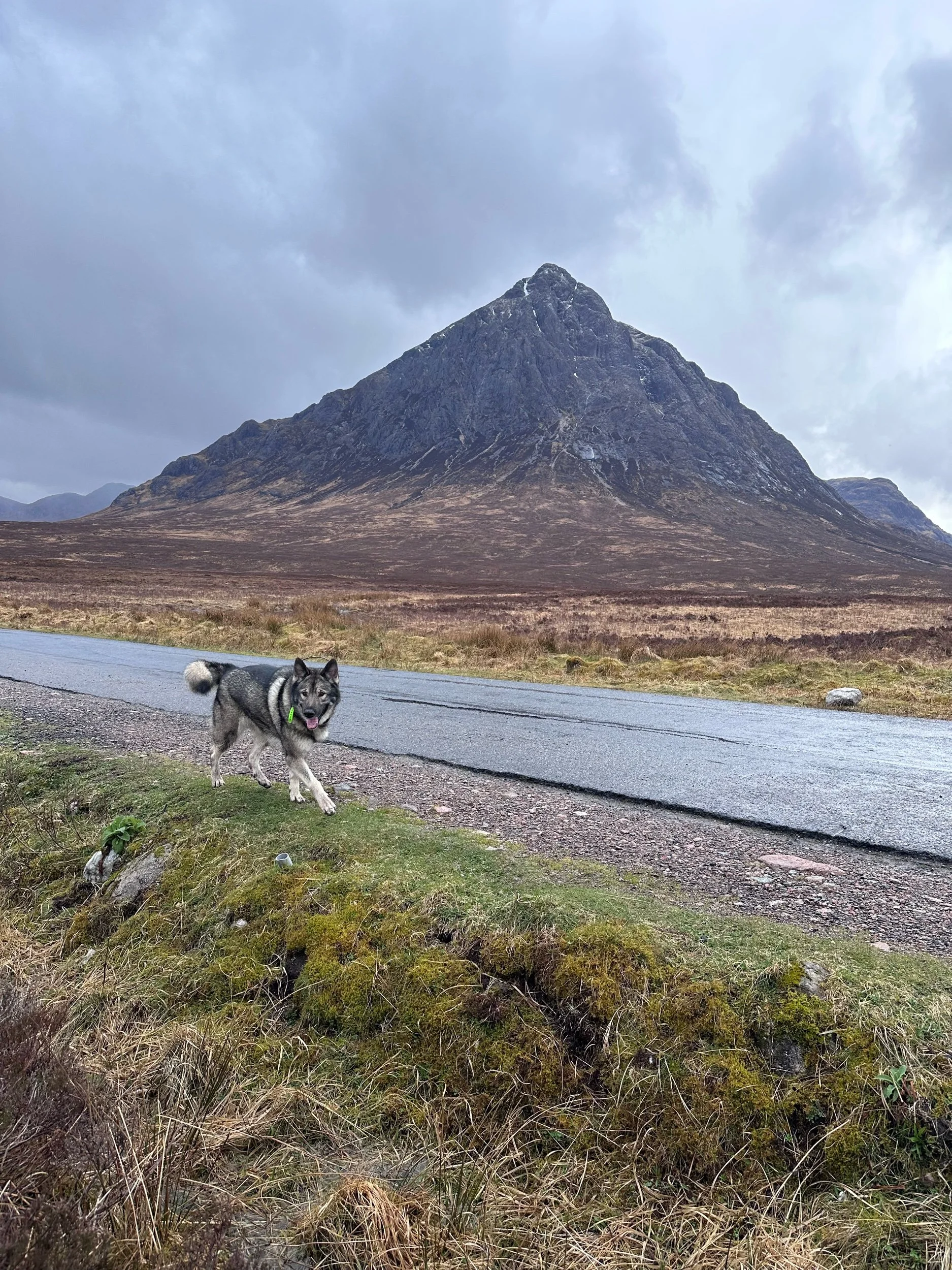
See the distinctive mountains of Suilven, Quinag and Stac Pollaidh
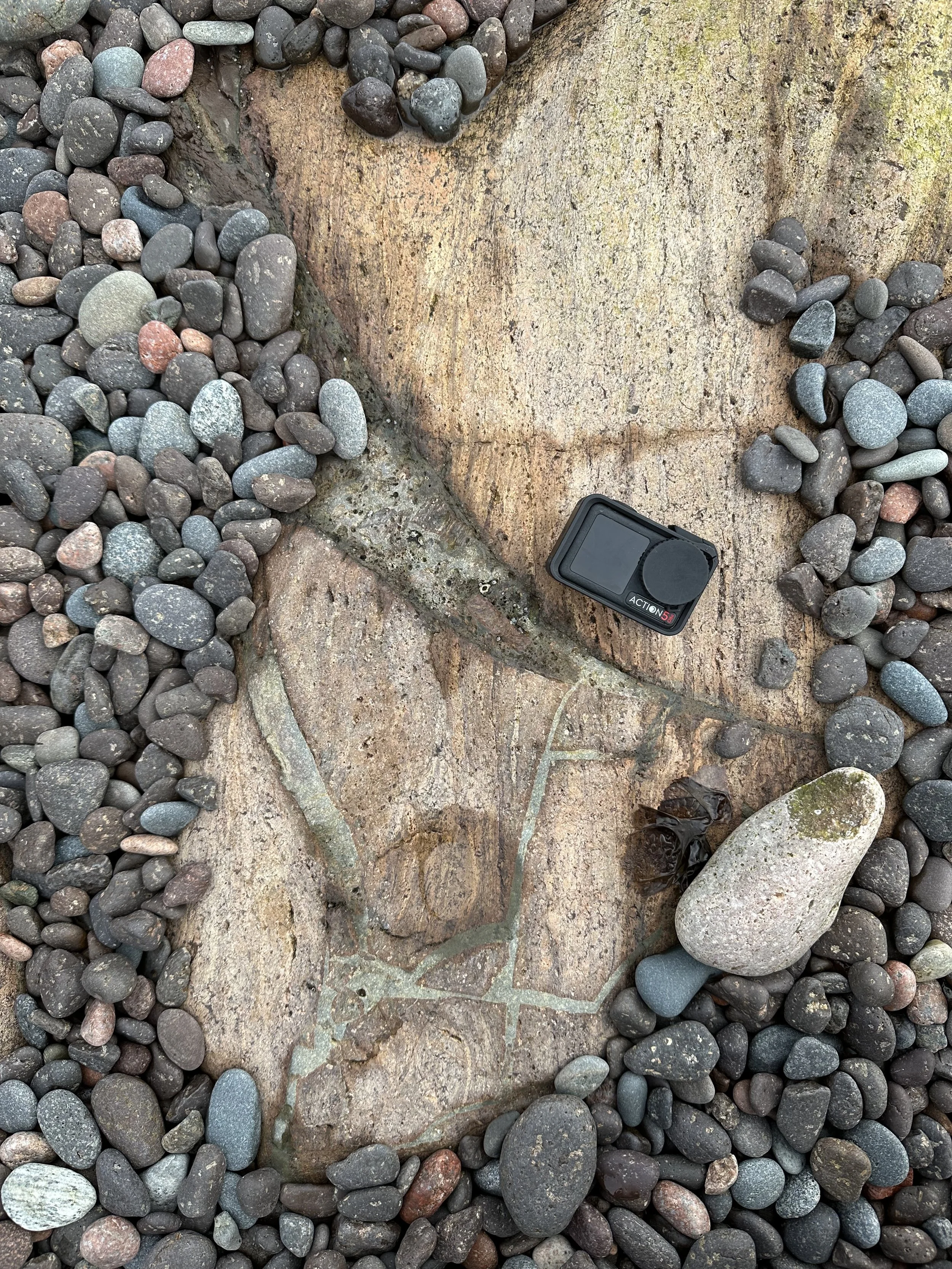
Examine Lewisian gneiss, Torridonian sandstone and Cambrian quartzite
Search for evidence of ancient rivers, tropical seas and vanished mountain ranges
Discover how Ice Age glaciers sculpted the North West Highland landscape
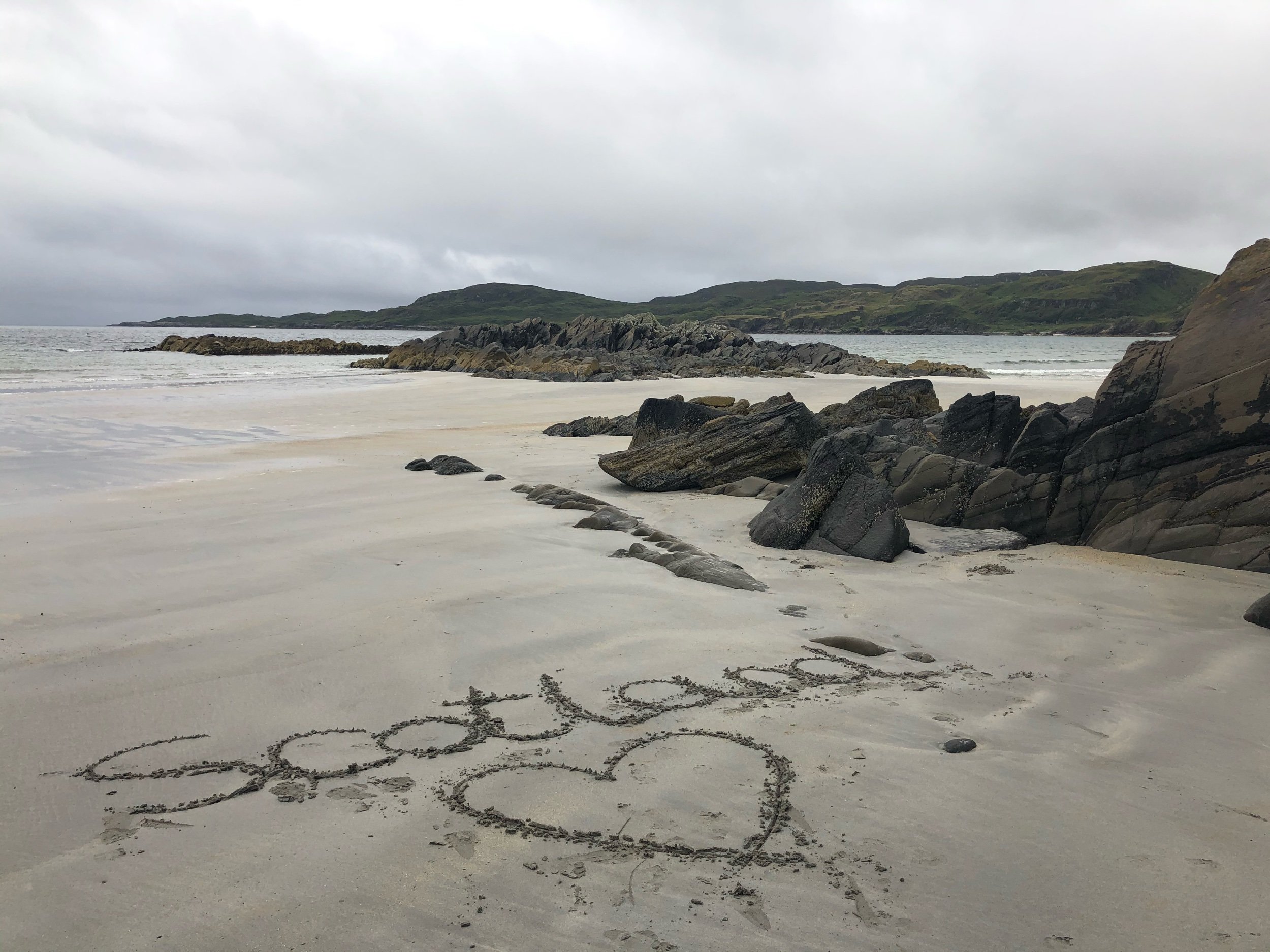
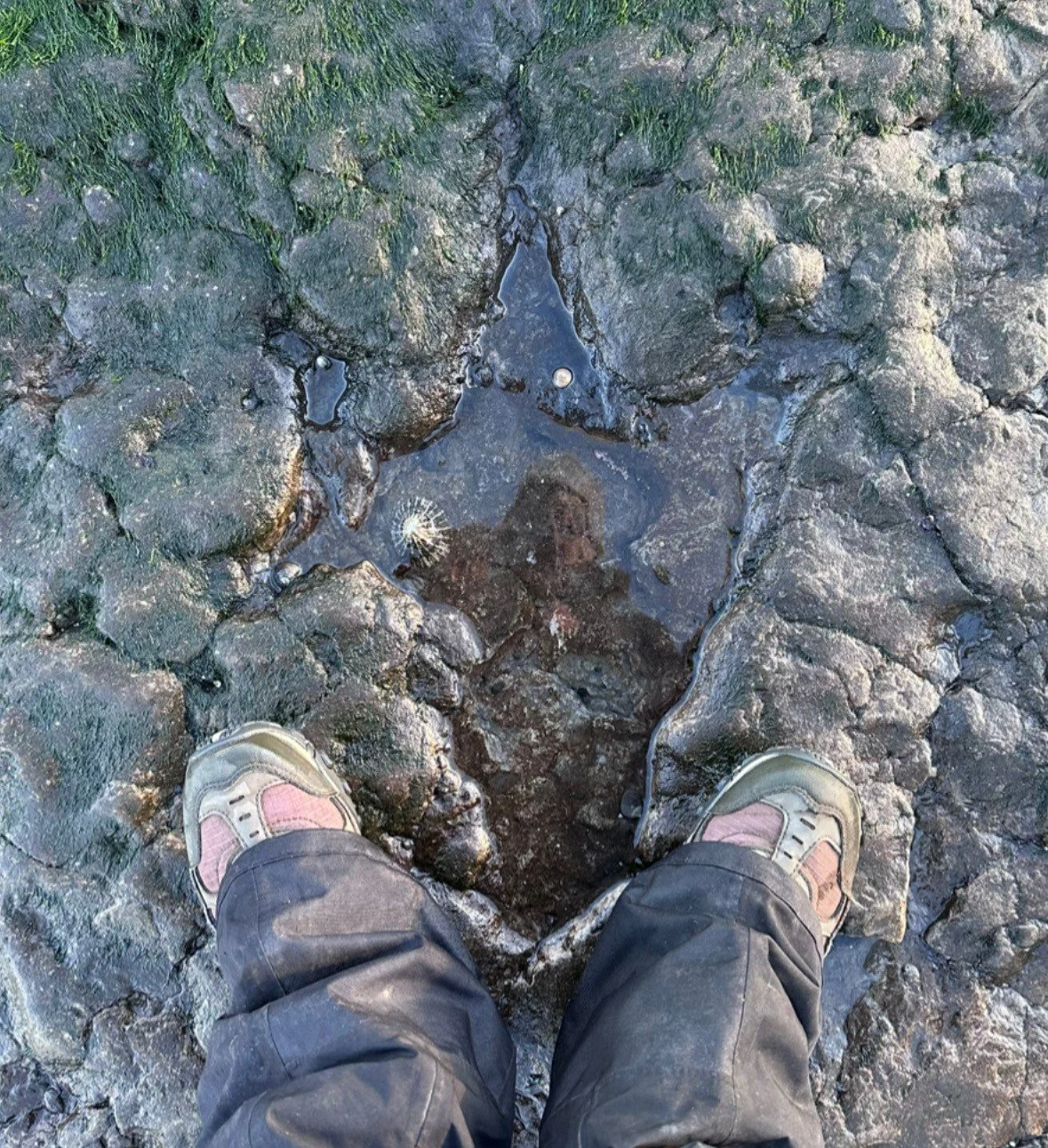
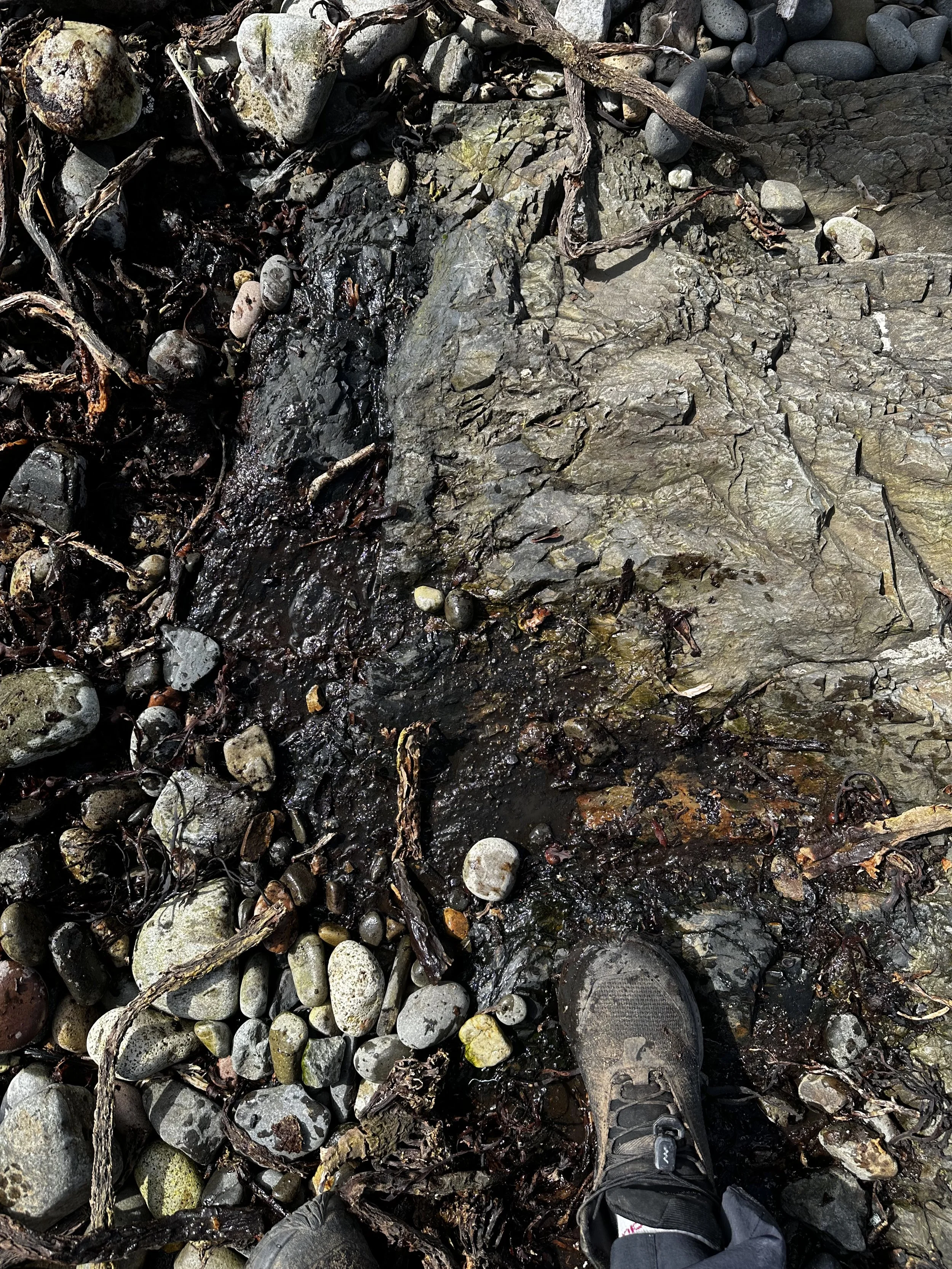
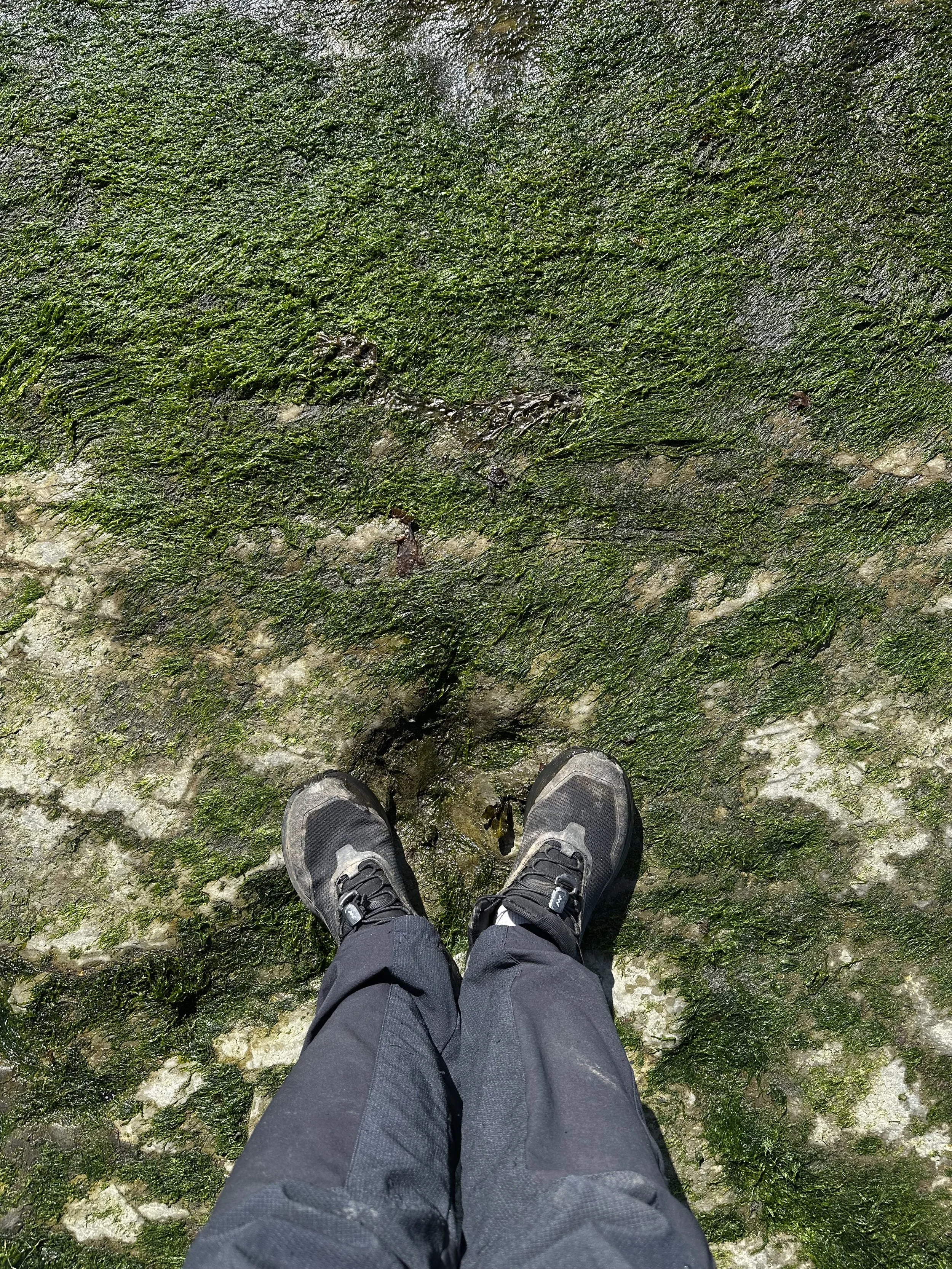
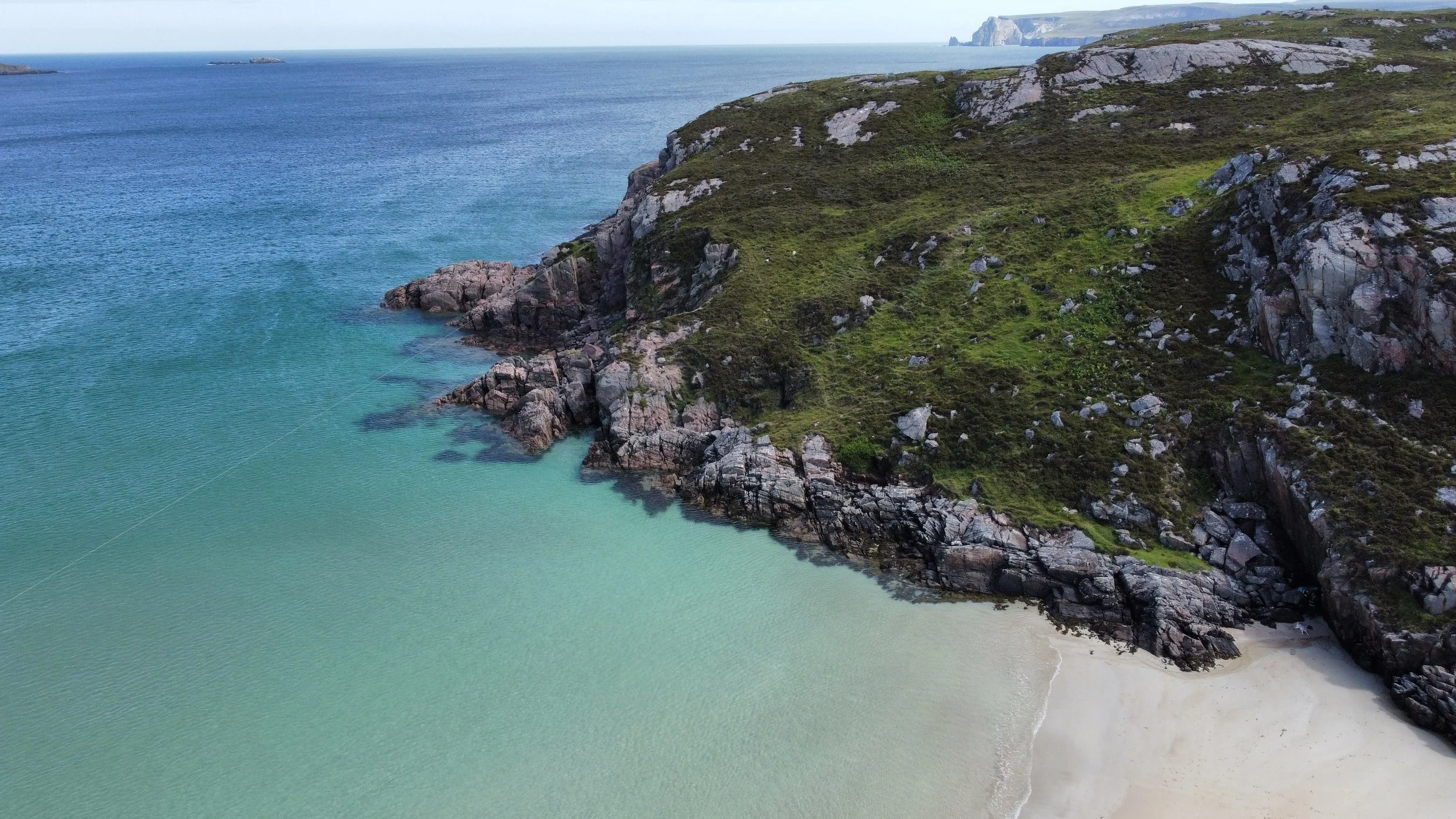
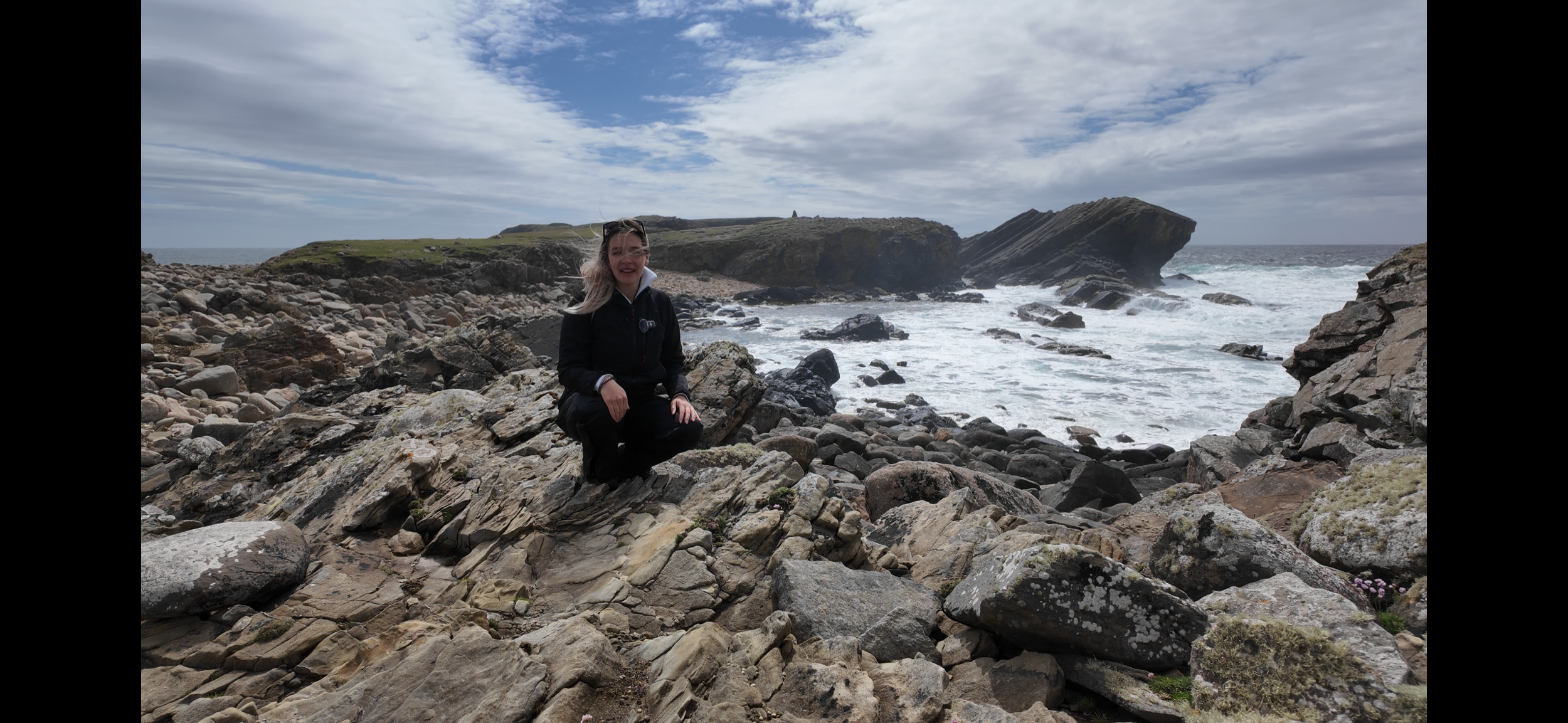
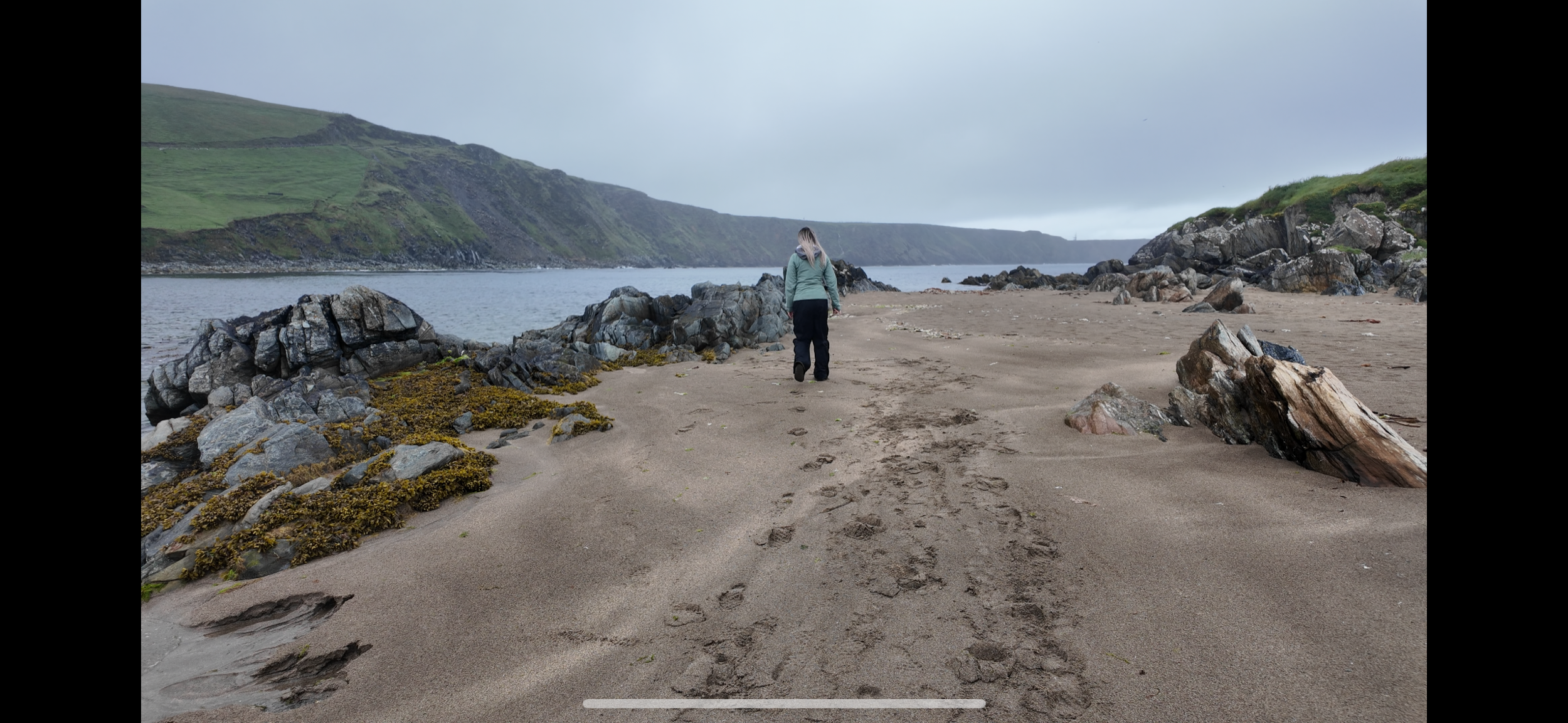
Explore beautiful beaches, rocky coastlines and remote geological localities
Learn how geology has influenced the landscape, wildlife, culture and communities of the northwestThis is far more than a sightseeing holiday. It's an immersive geological adventure that will completely change the way you see Scotland—and the Earth beneath your feet.
Itinerary
Day one – Journey into the Ancient Northwest
Glasgow to Ullapool
Our geological story begins as we travel towards Ullapool and enter the dramatic landscape of the North West Highlands.
Along the way, we will begin exploring how faults, glaciers and rivers have shaped the Highlands. We will examine the geological foundations of the region and introduce the three principal rock groups that will accompany us throughout the excursion: Igneous, Sedimentary and Metamorphic rocks whilst talking about the geology of Scotland.
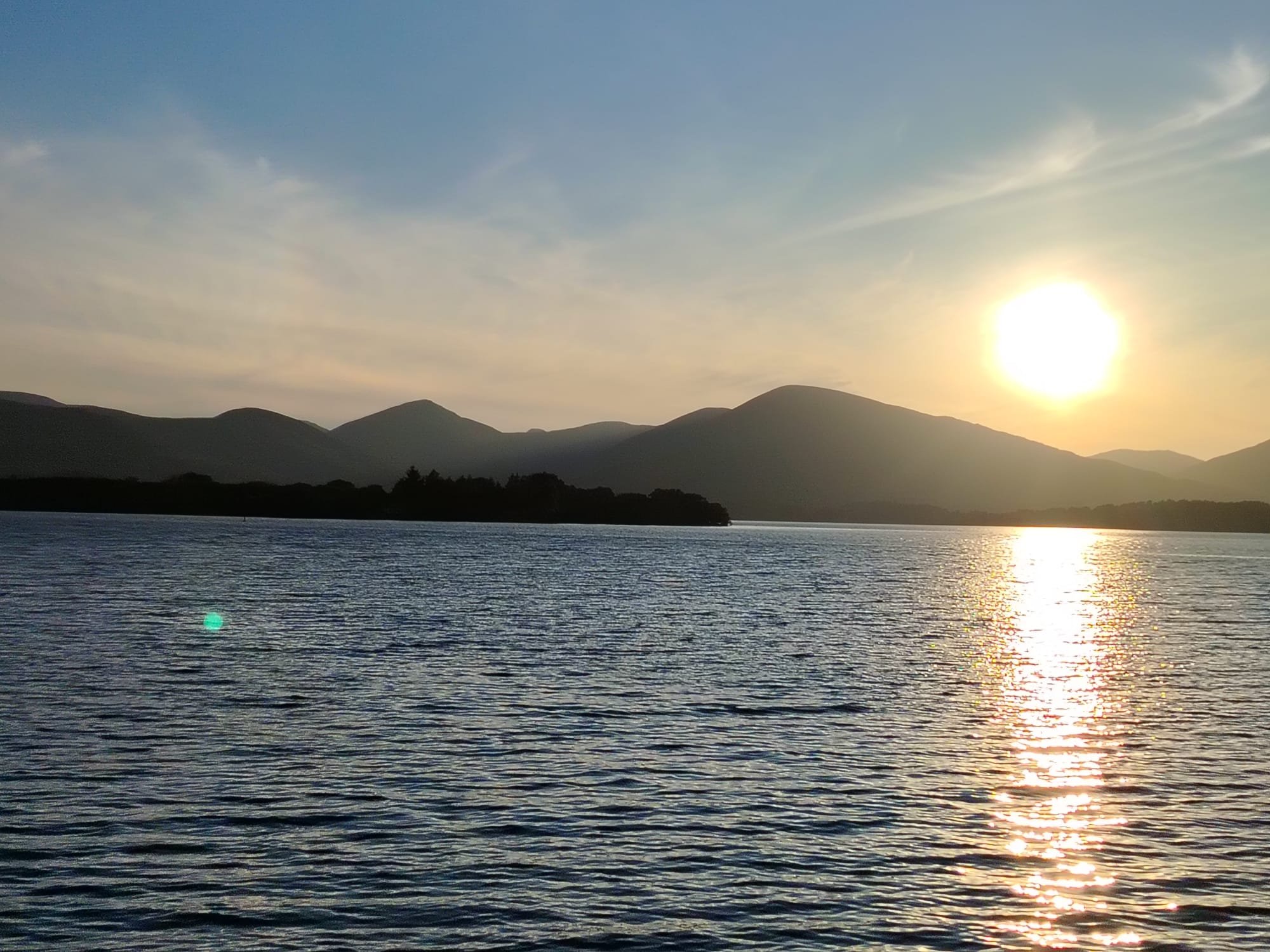
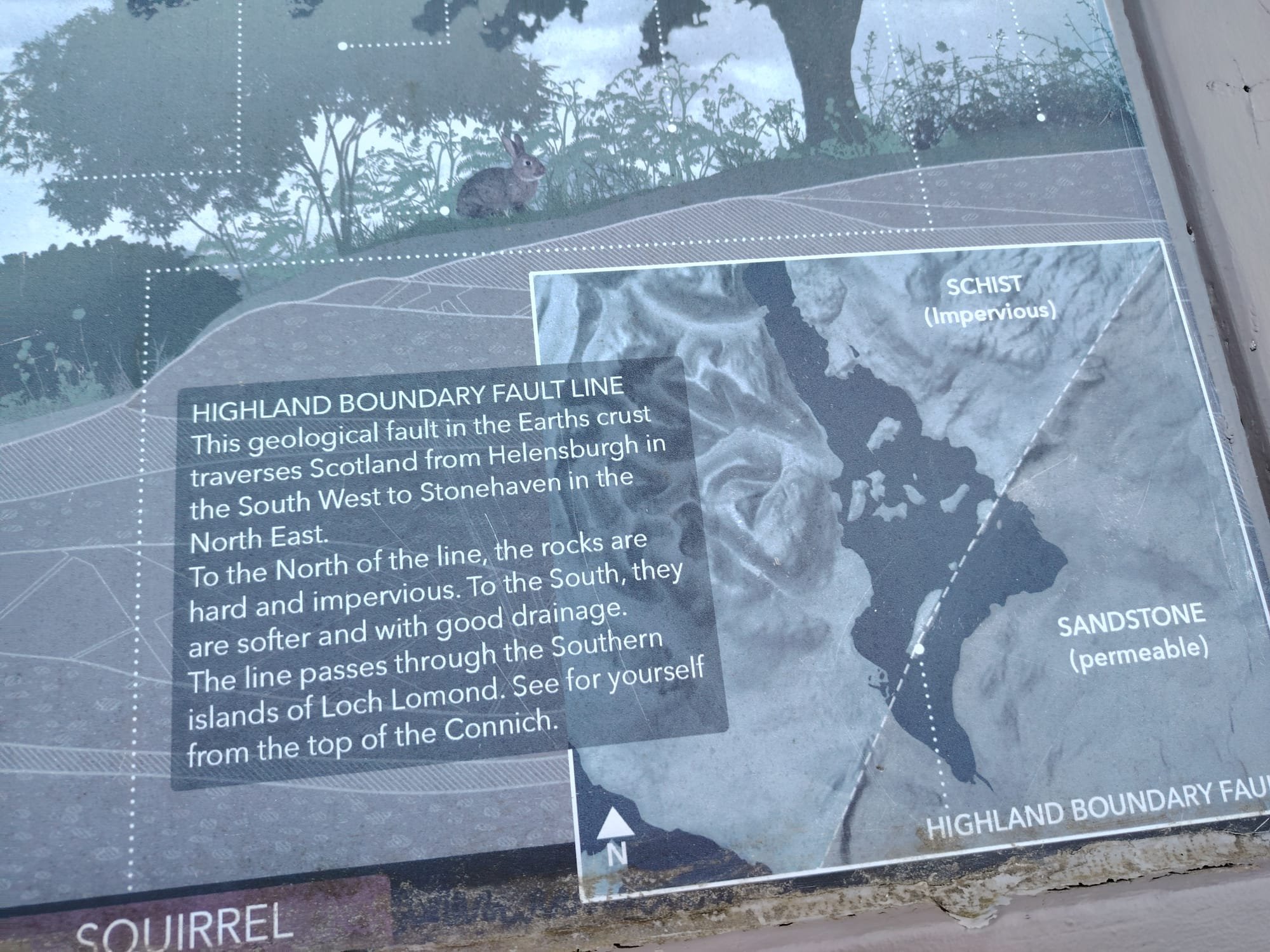
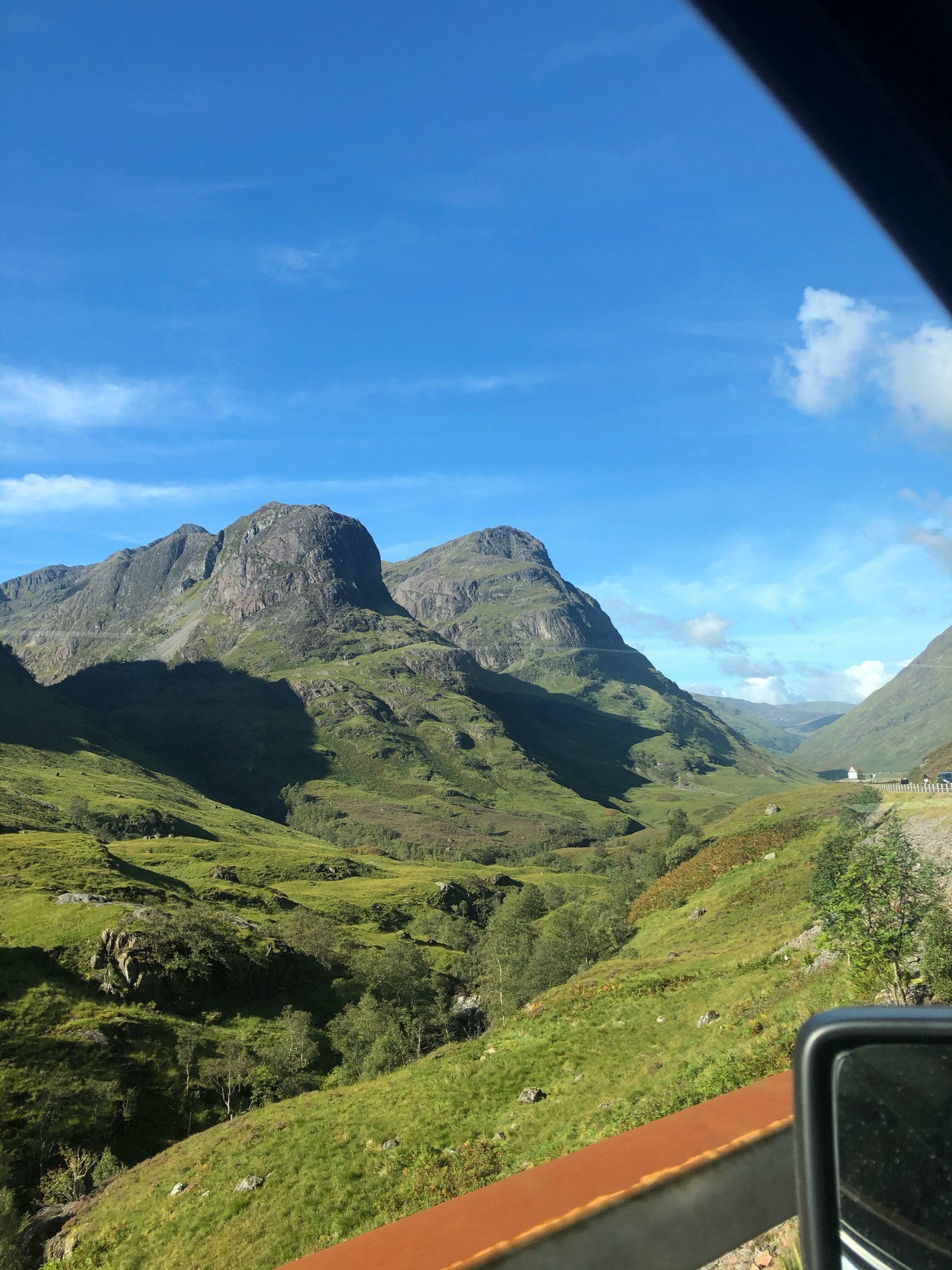
Possible stops may include dramatic viewpoints (Loch Lomond and Glencoe), glacial landforms and exposures that help us understand how this ancient landscape developed.
By the end of the day, you will have an introduction to the enormous geological timescales represented across the northwest and an understanding of the journey we will follow over the next five days.
Day two – The Moine Thrust and Knockan Crag
Our second day takes us into the heart of the North West Highlands UNESCO Global Geopark and one of the most important geological landscapes in the world.
At Knockan Crag, we will explore the Moine Thrust Zone and discover how enormous sheets of rock were pushed westwards during the Caledonian mountain-building events around 430 million years ago.
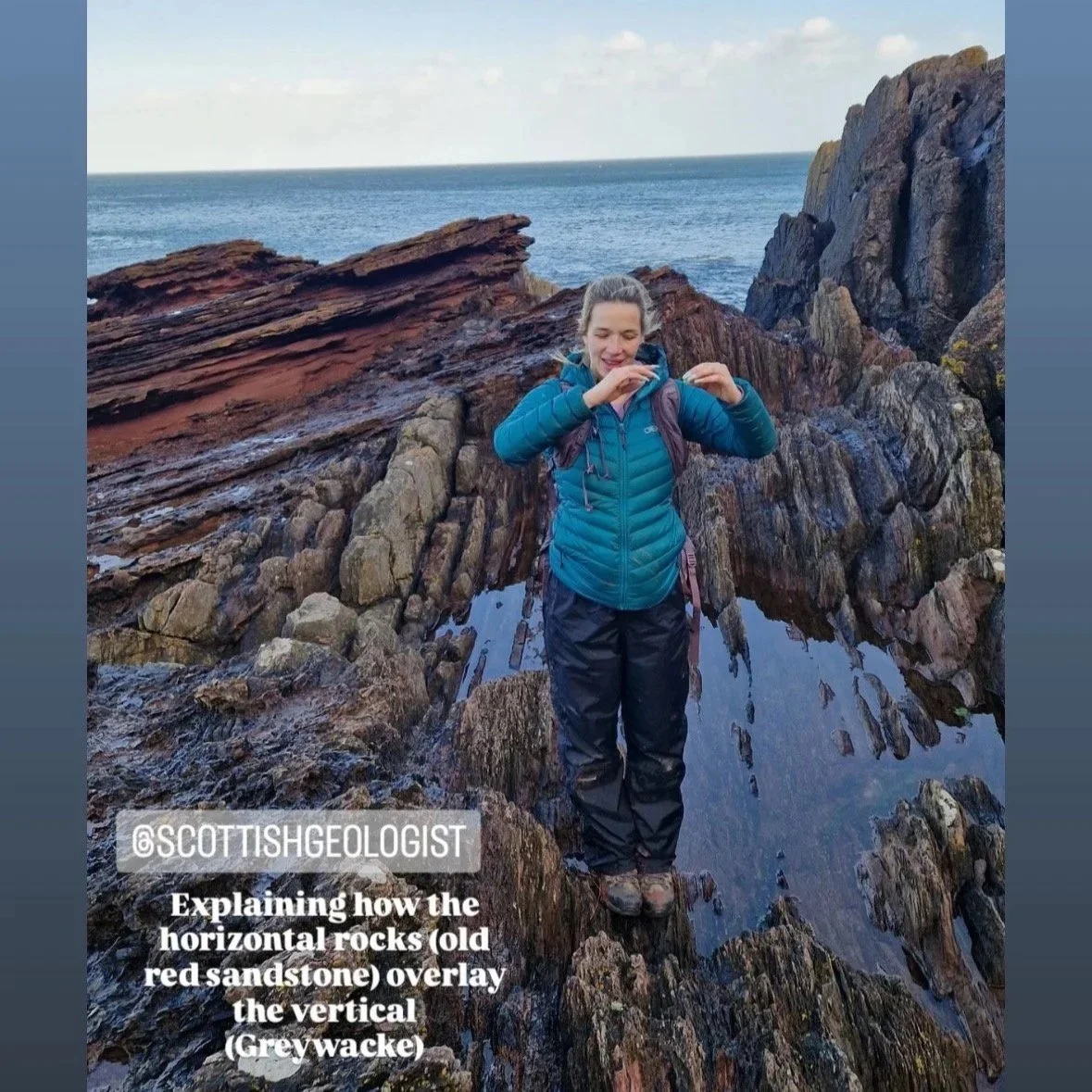
The confusing arrangement of older rocks sitting above younger rocks caused fierce debate among nineteenth-century geologists. The work carried out here by Ben Peach and John Horne eventually helped geologists understand the immense forces involved in building mountain ranges.
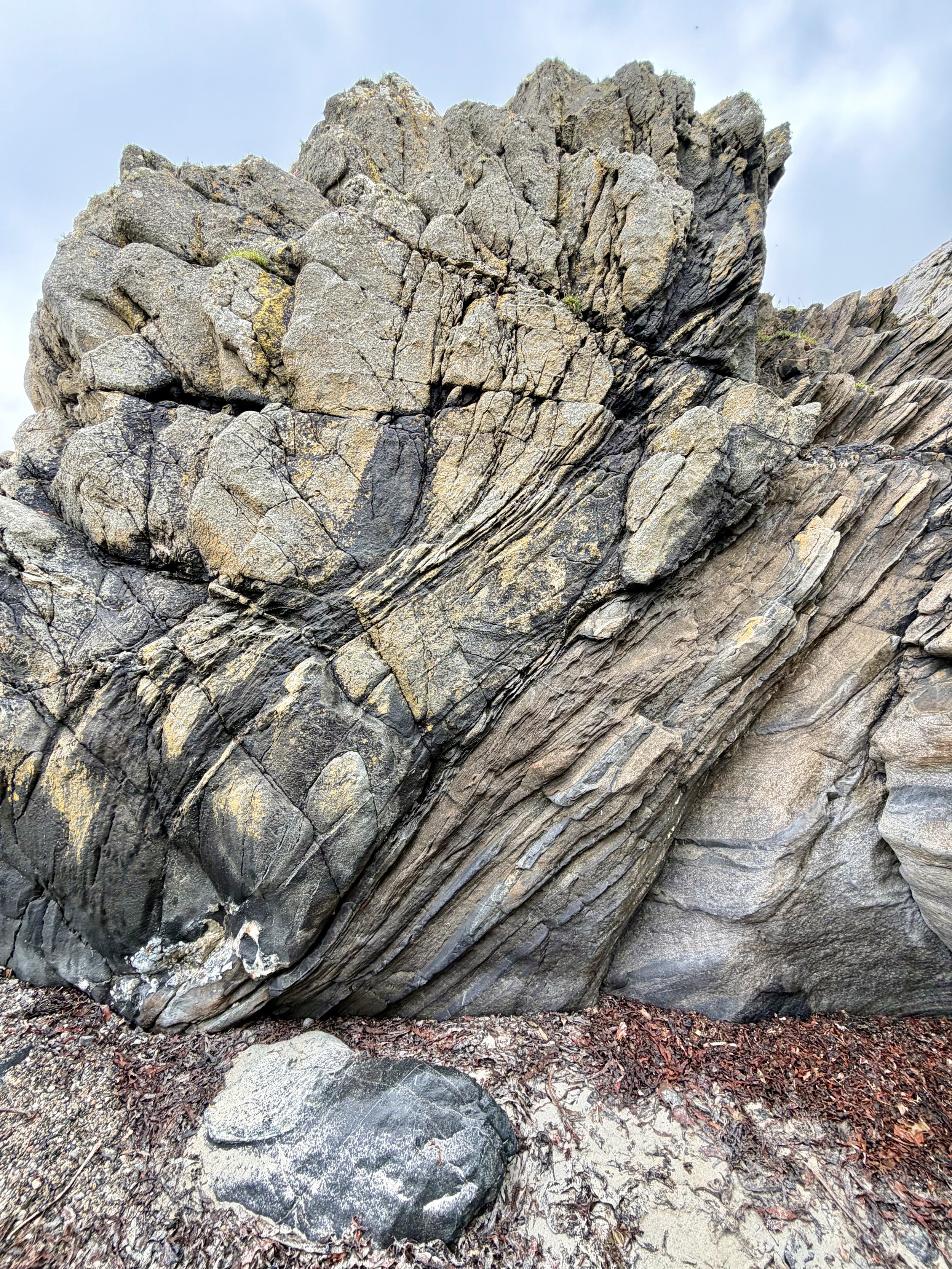
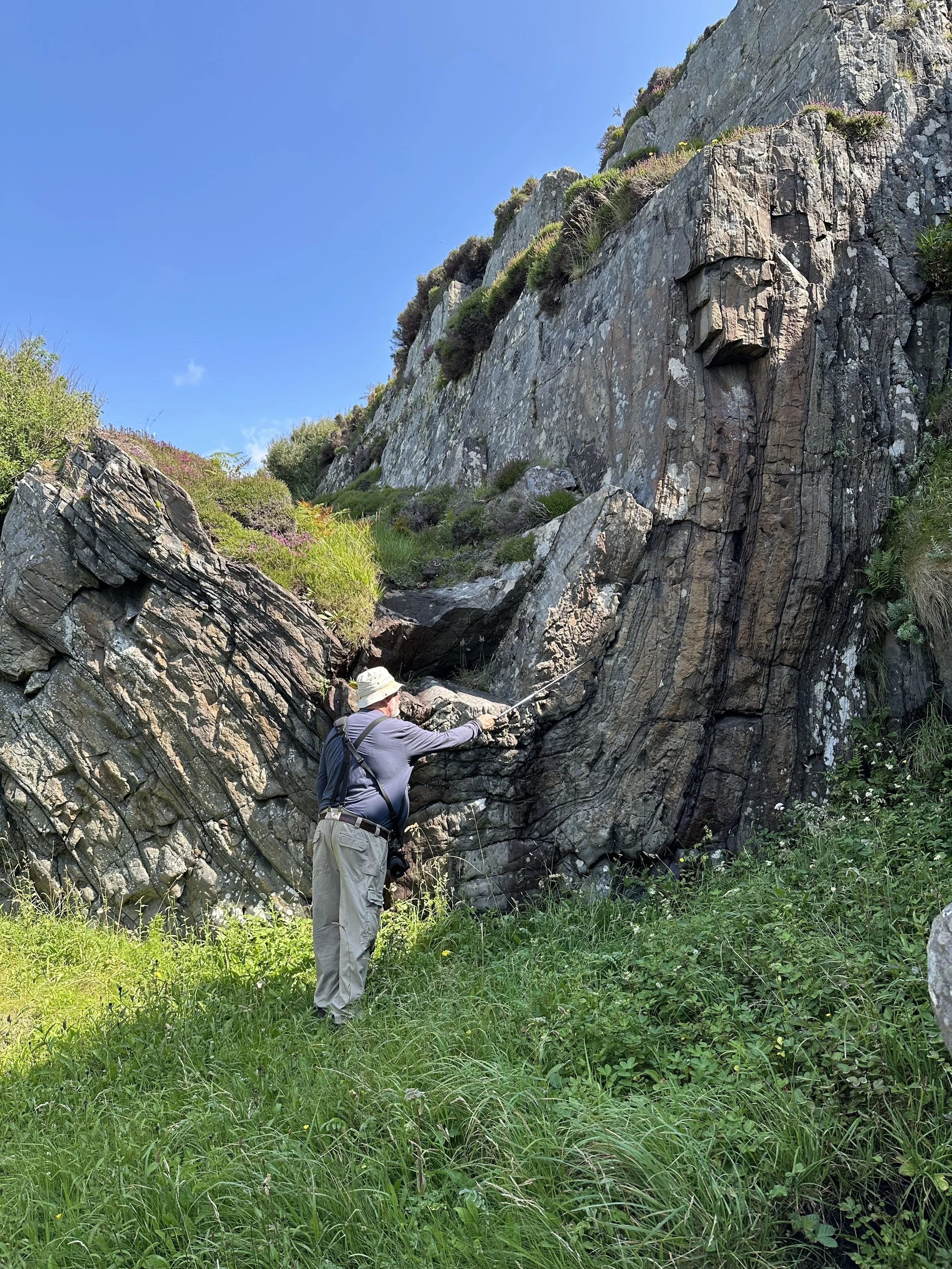
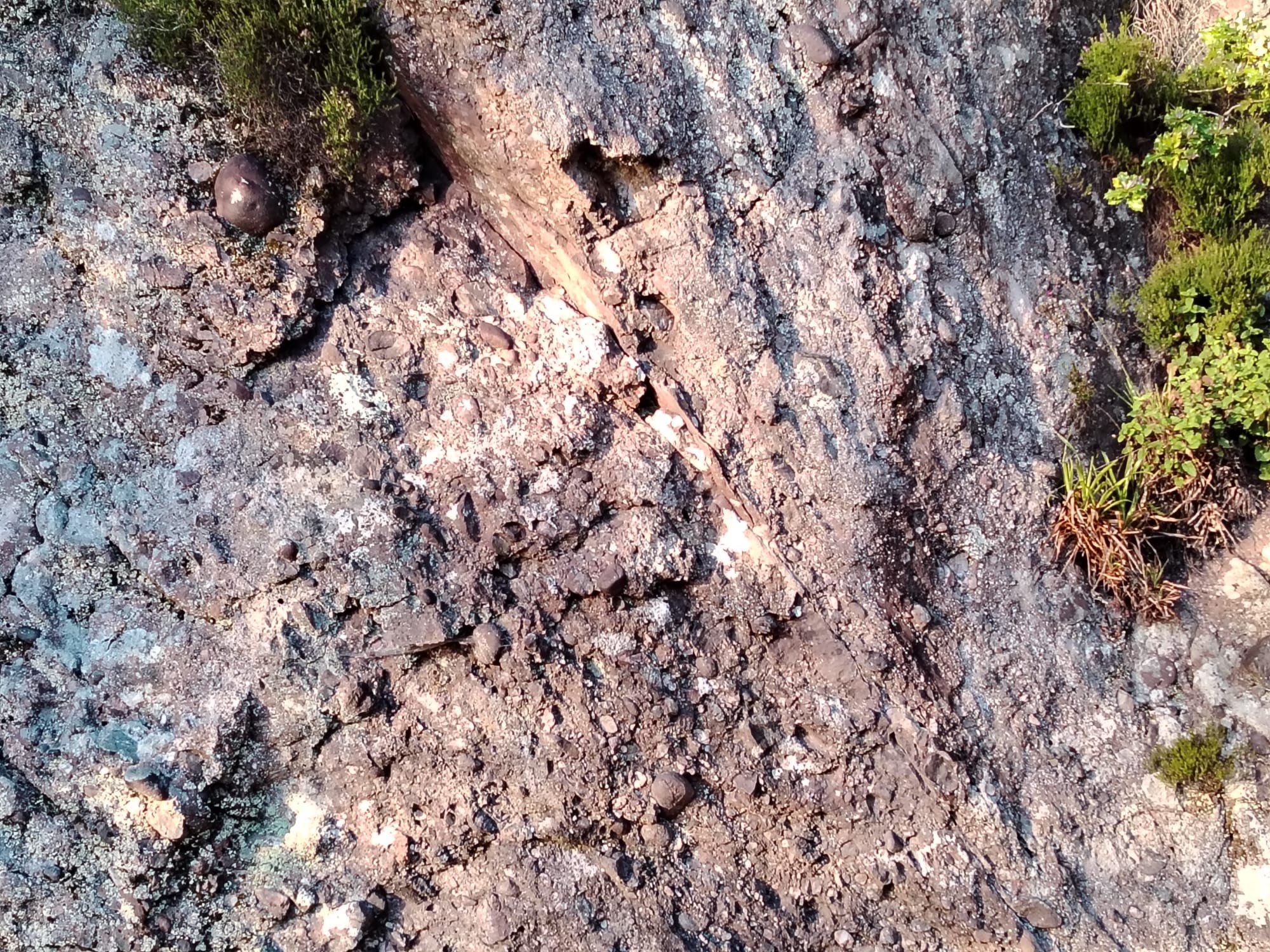
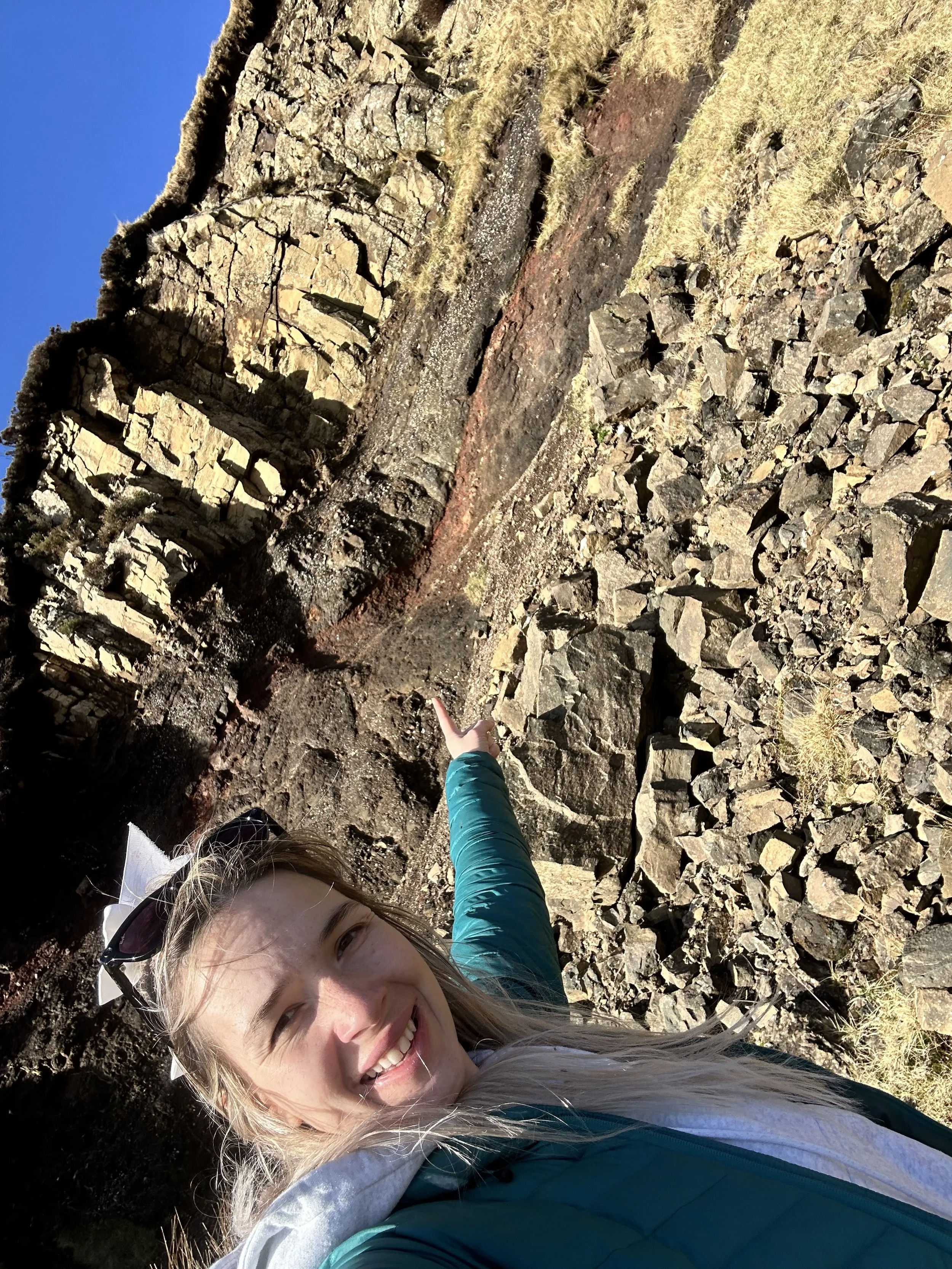
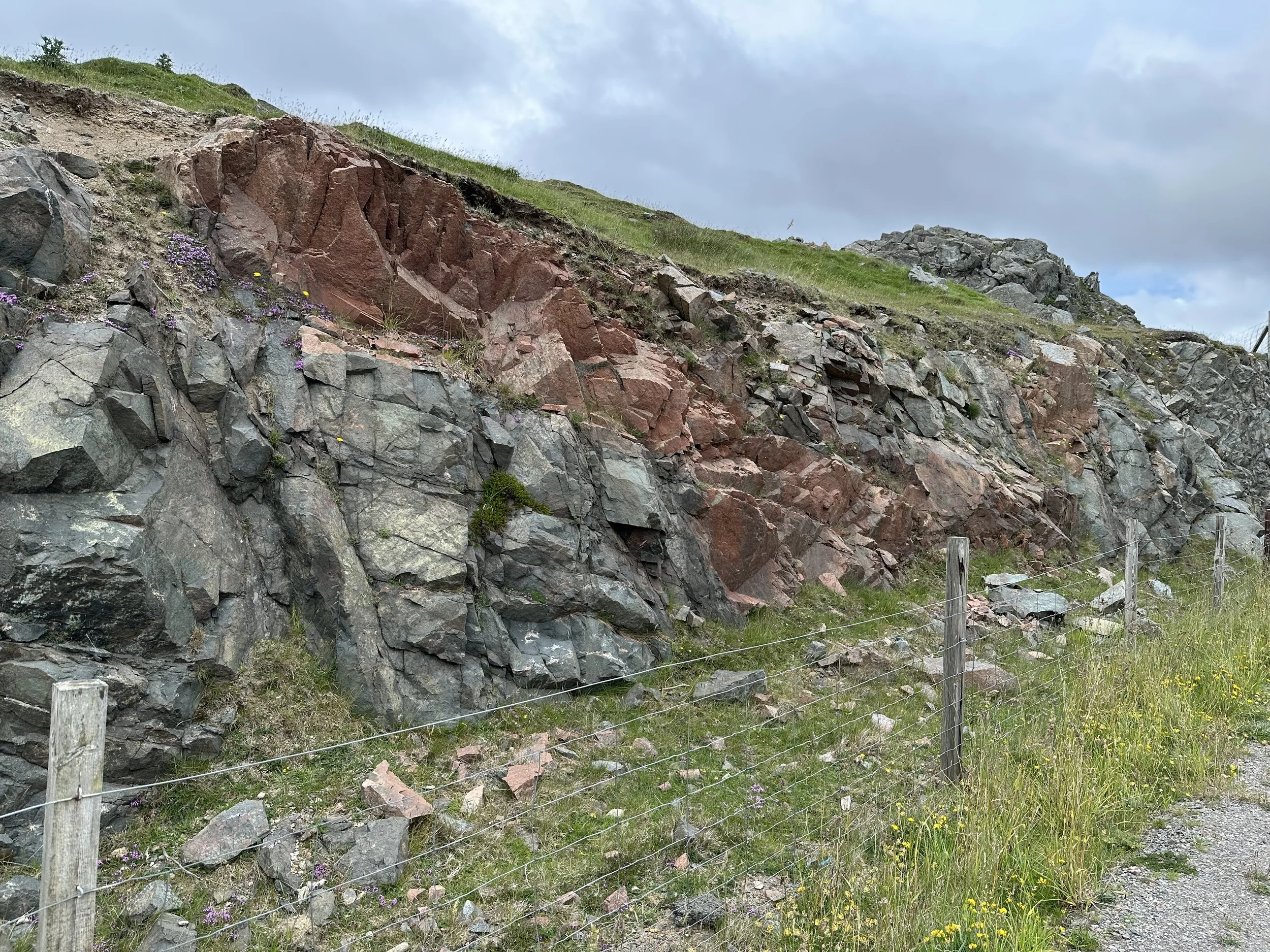
We will look for evidence of movement within the rocks, including fault surfaces, folding, deformation and the remarkable rocks produced along the thrust zone.
Against the backdrop of Assynt’s distinctive mountains, we will also explore how the underlying geology controls the shape of the landscape.
Day Three – Assynt’s Ancient Rocks and Mountains
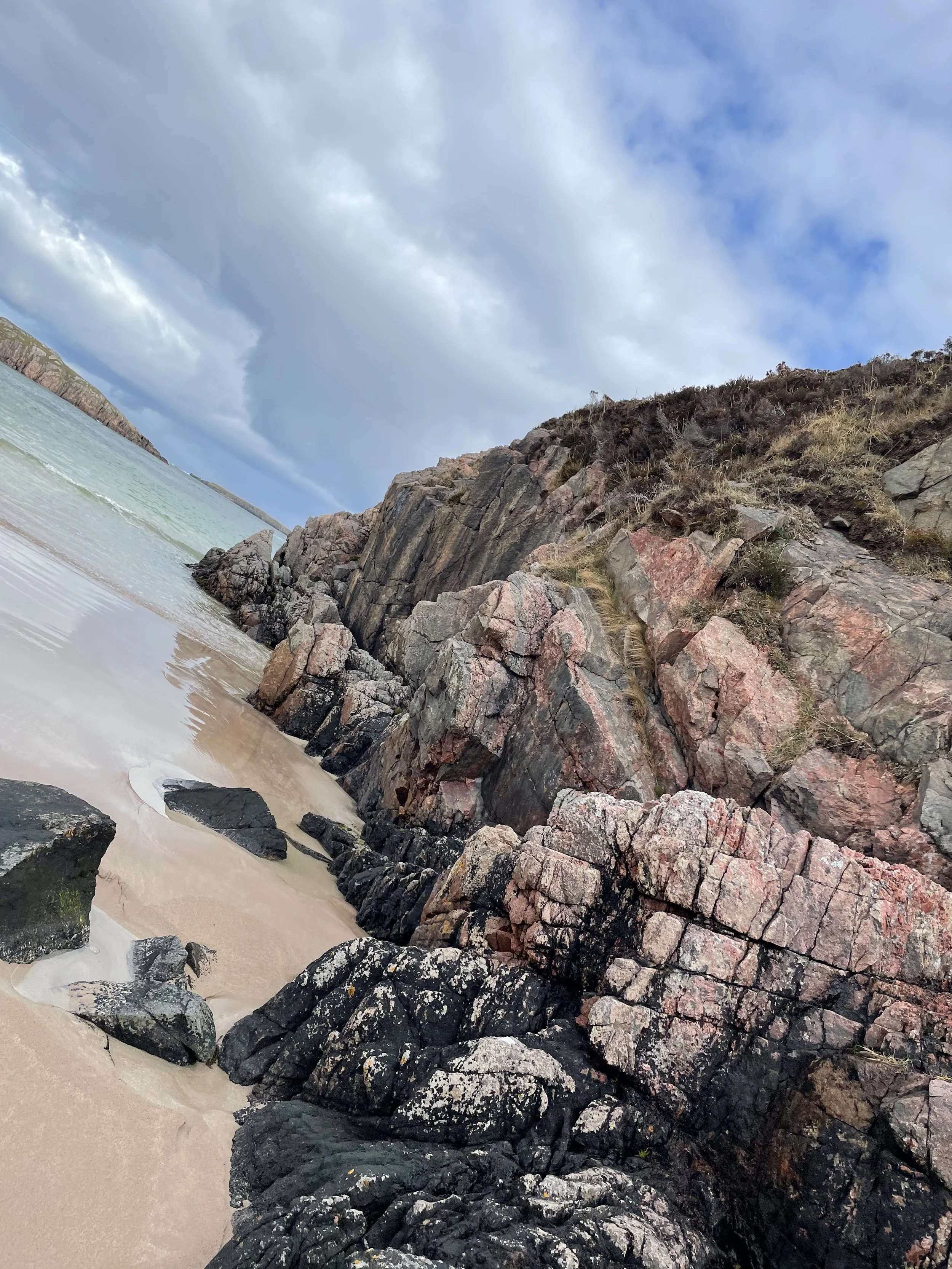
Day three takes us deeper into the spectacular landscape of Assynt, Achmelvich and Clachtoll
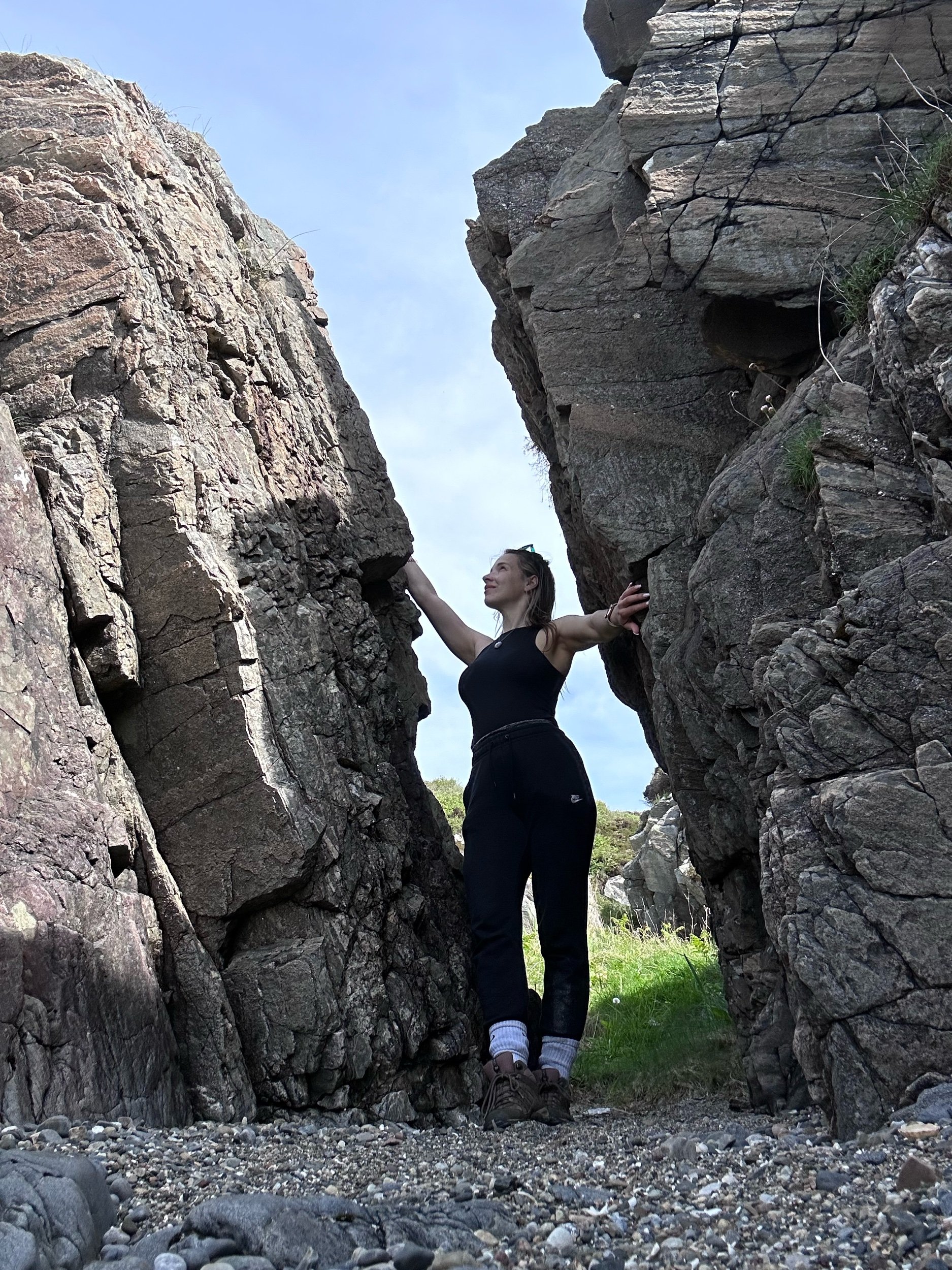
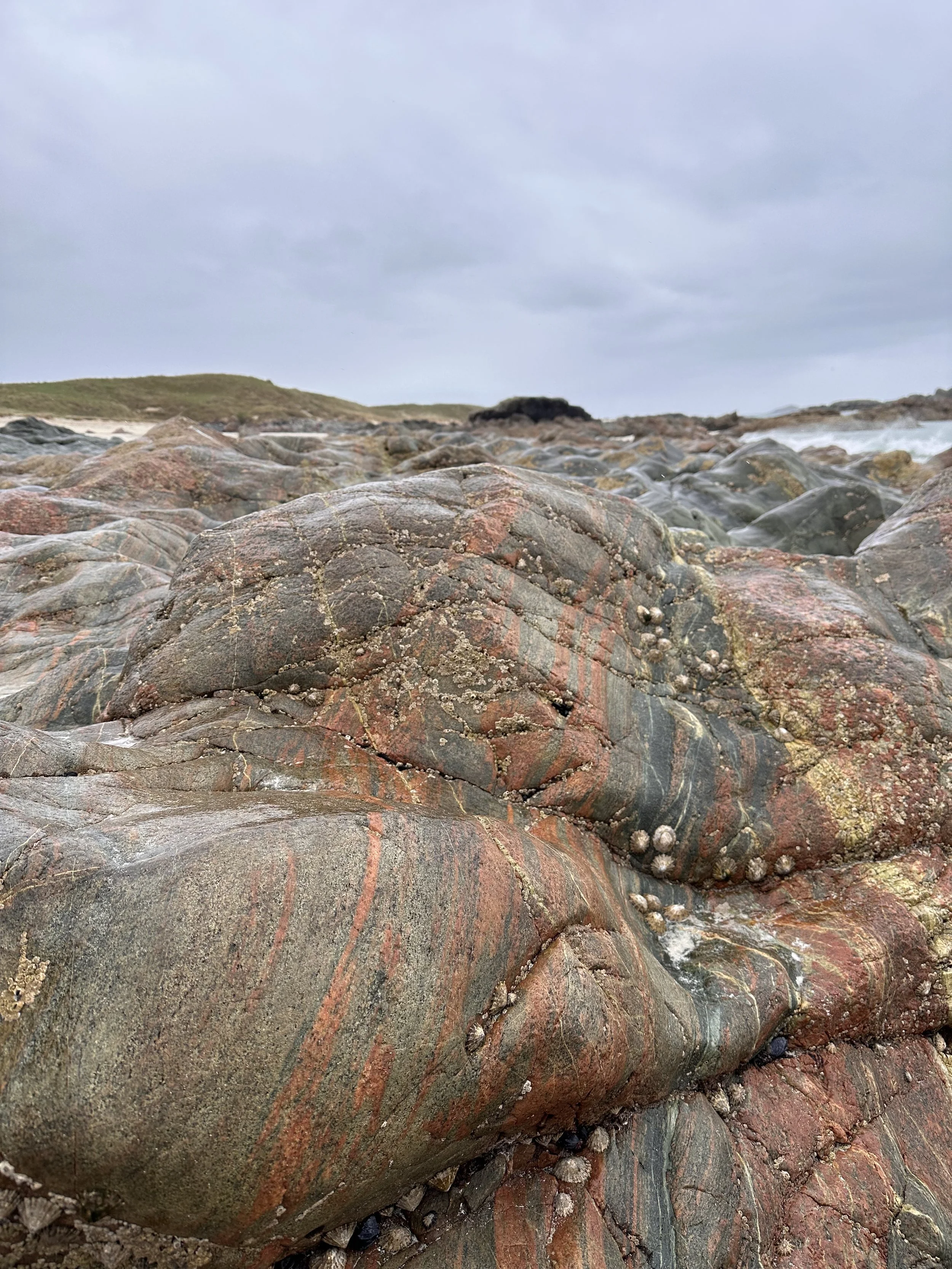
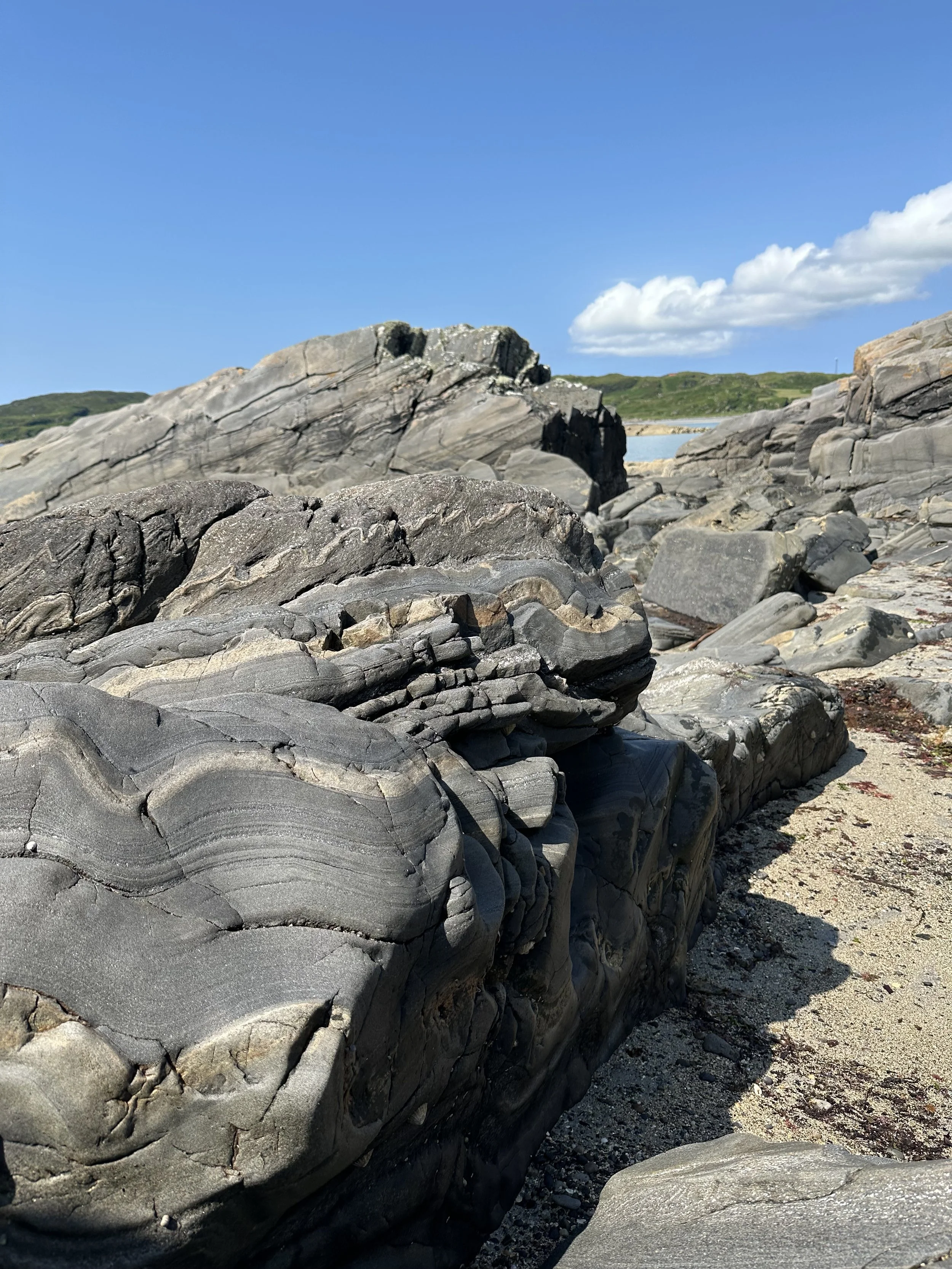
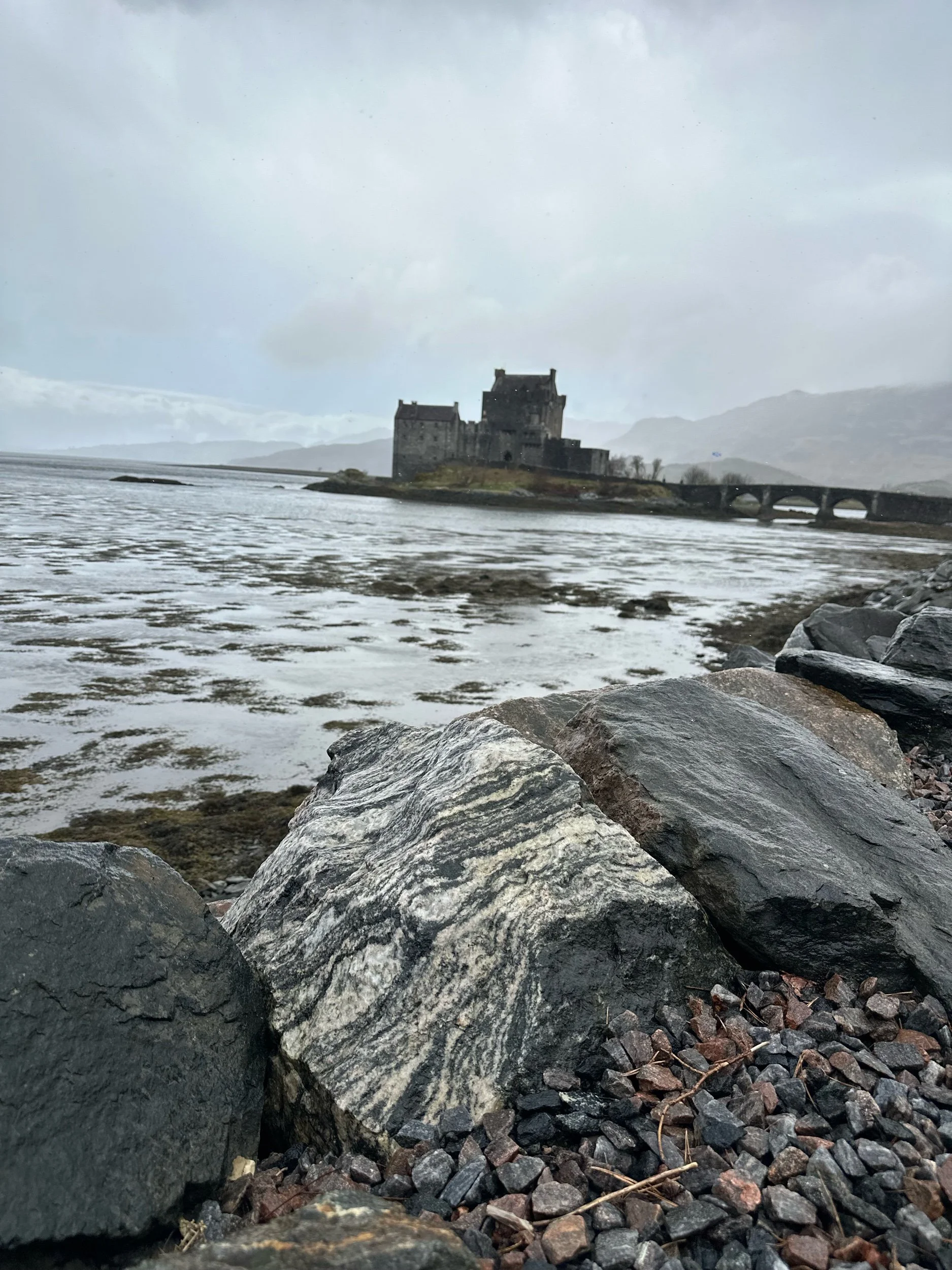
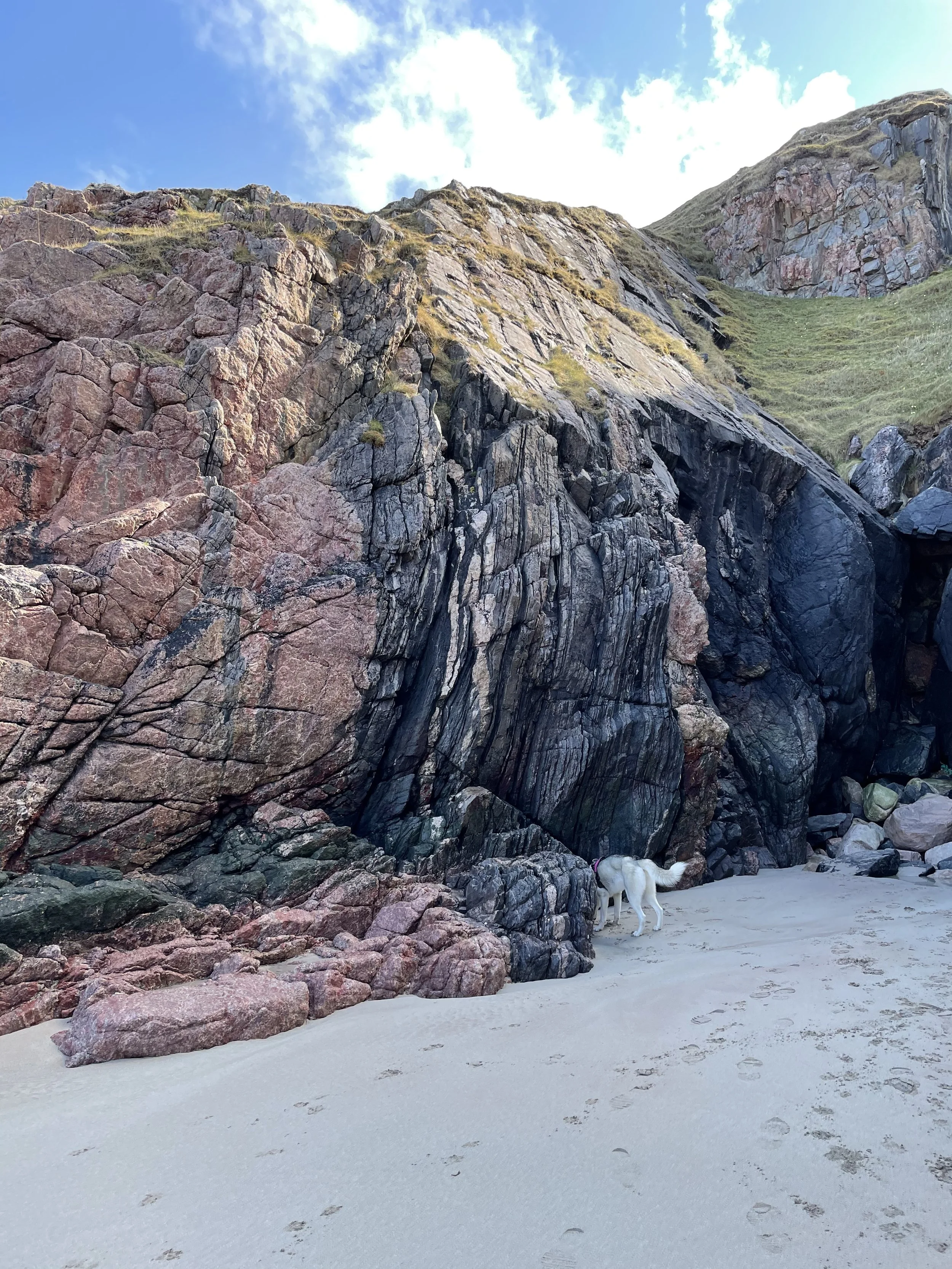
We will explore some of the oldest rocks in Scotland: the Lewisian gneiss. More than 3.2 billion years old in places, these rocks preserve an extraordinarily ancient and complex history of crustal formation, metamorphism, deformation and igneous activity.
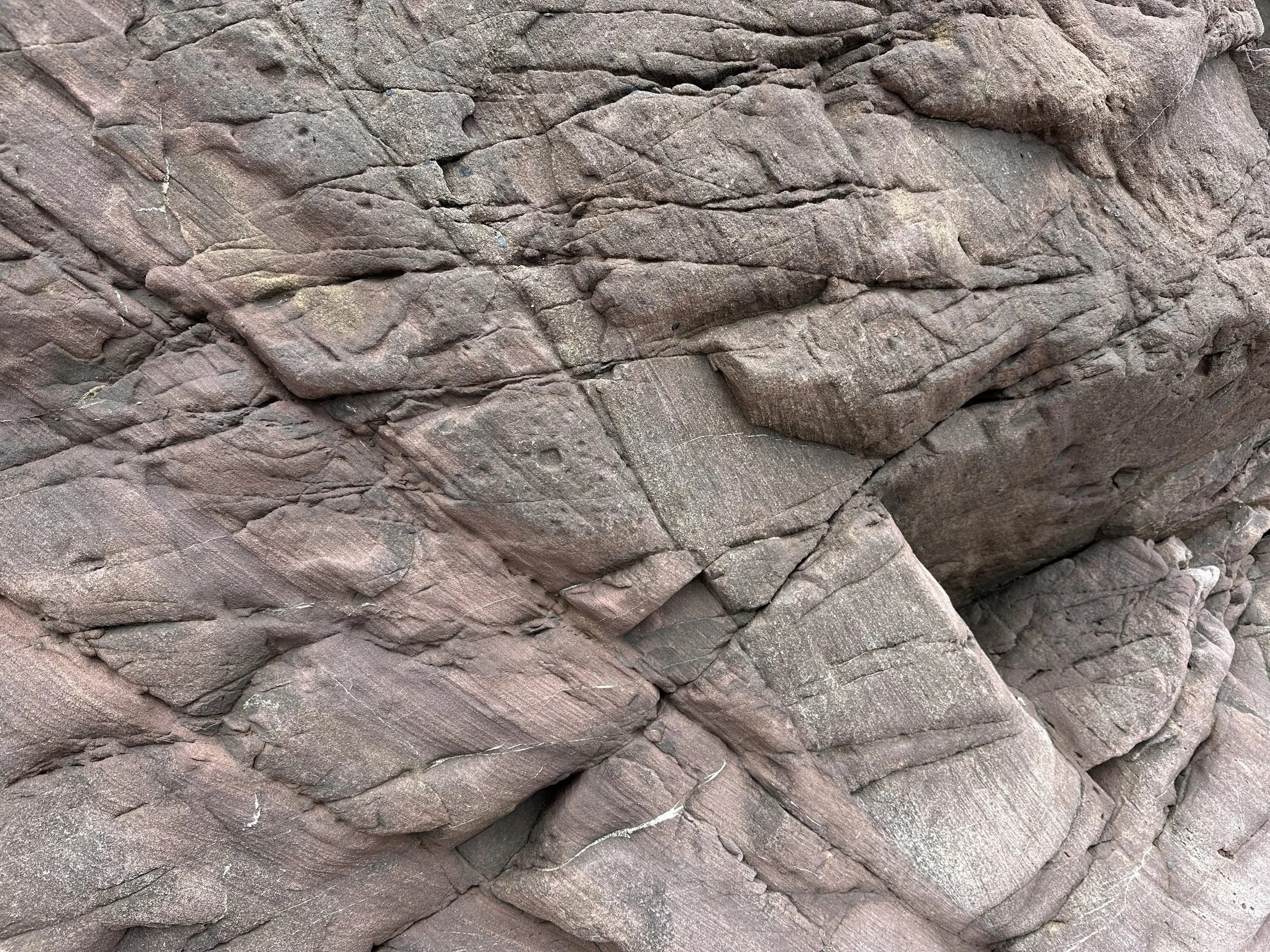
Resting unconformably above the gneiss is the much younger Torridonian sandstone. These red and brown rocks formed from sediment deposited by enormous river systems across an ancient landscape more than one billion years ago.
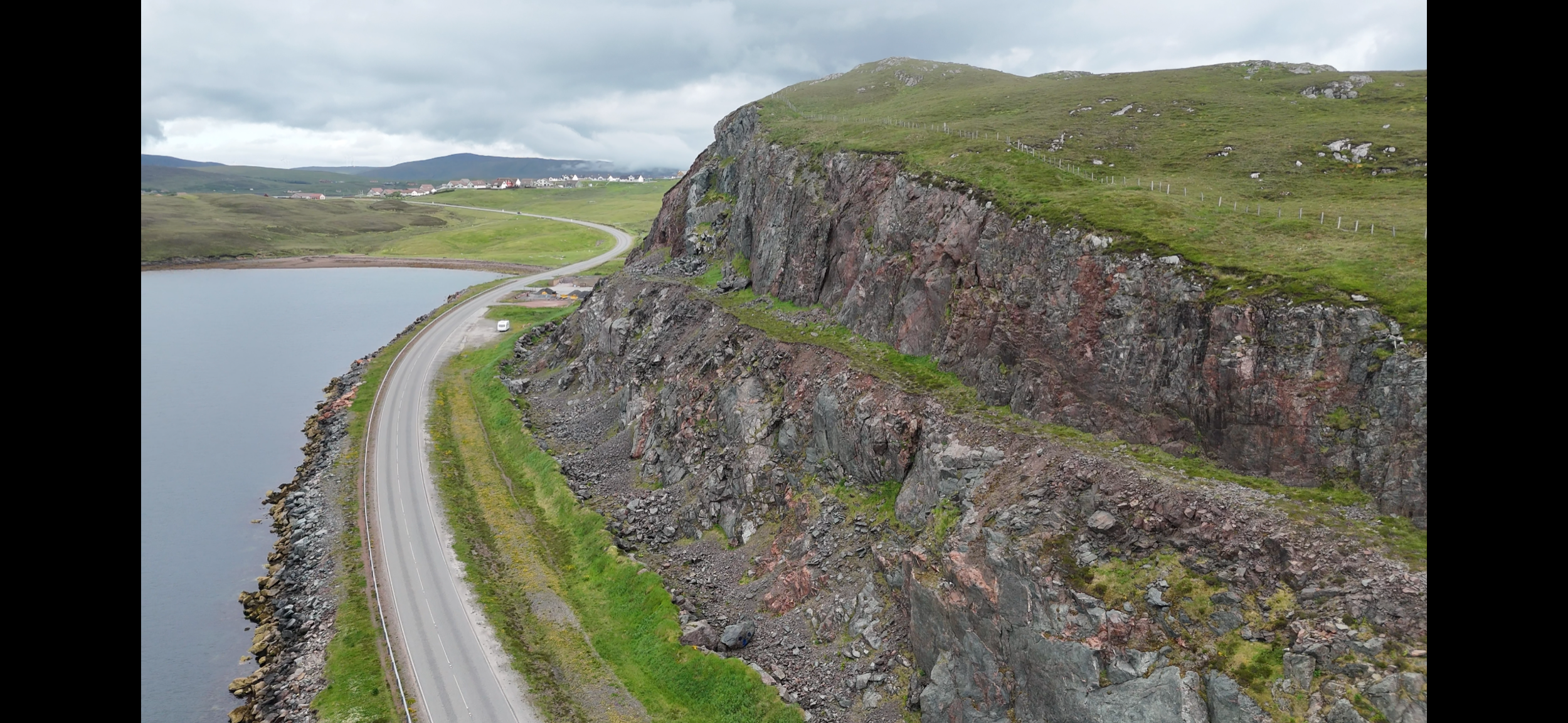
We will examine the relationship between these rock groups and investigate how erosion has produced Assynt’s unmistakable landscape of isolated mountains rising from an undulating surface of Lewisian gneiss.
Depending on conditions and timings, stops may include viewpoints towards Suilven, Quinag or Stac Pollaidh, alongside accessible coastal or roadside exposures where we can examine the rocks more closely.
Day Four – Scourie, Laxford and Durness
On day four, we will travel farther north to explore some of the most fascinating rocks within the Lewisian Gneiss Complex.
Around Scourie and Laxford, the rocks preserve evidence of multiple episodes of mountain building, metamorphism, deformation and igneous activity extending across vast periods of geological time.
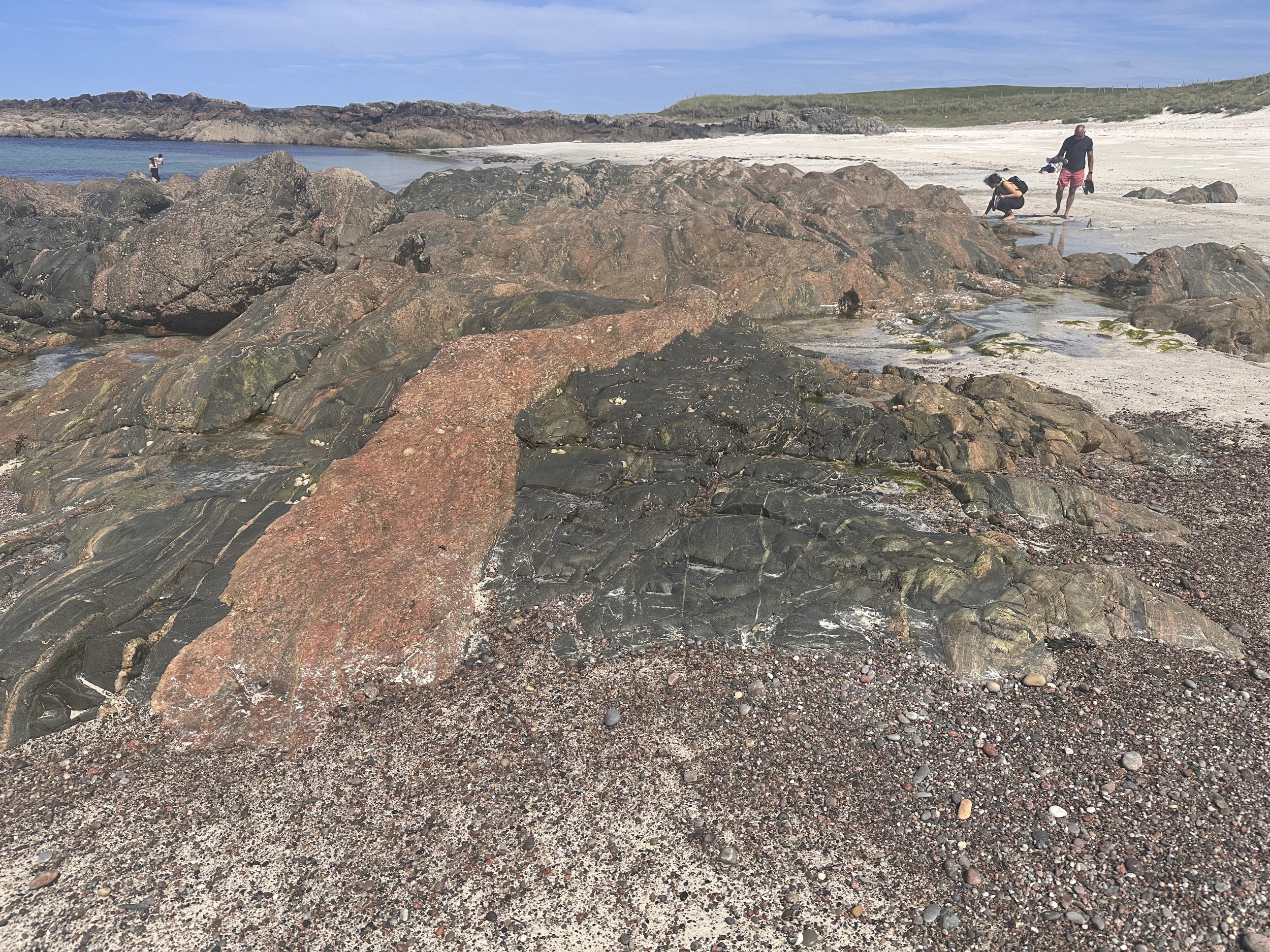
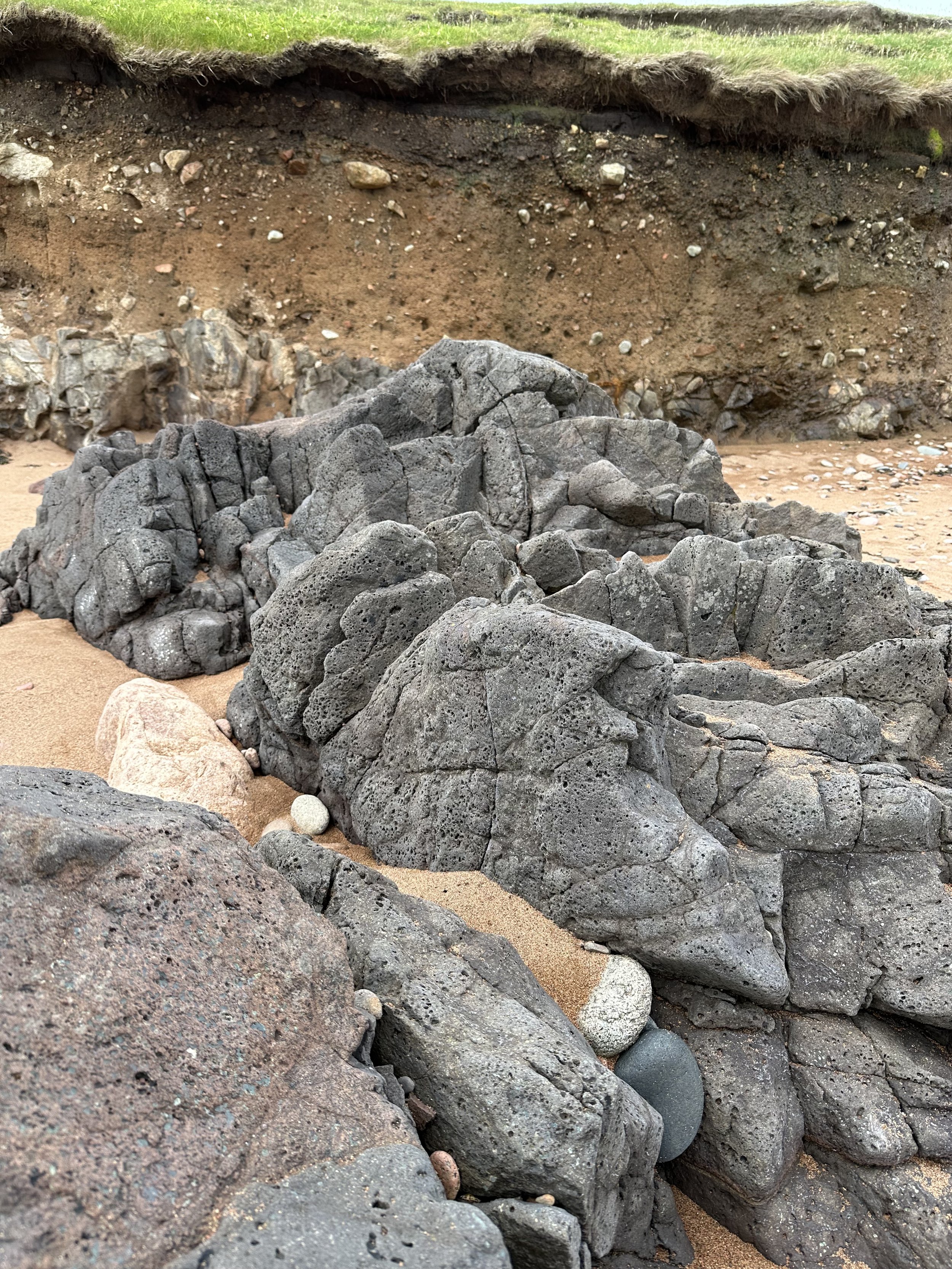
We will look for dark Scourie dykes cutting through the older gneiss and examine how some of these once-solid sheets of igneous rock were later deformed and metamorphosed.
These relationships allow geologists to establish the order in which events occurred—even when the rocks themselves are billions of years old. This day will introduce some of the techniques geologists use to read complex rocks in the field, including cross-cutting relationships, mineral changes, folds and textures.
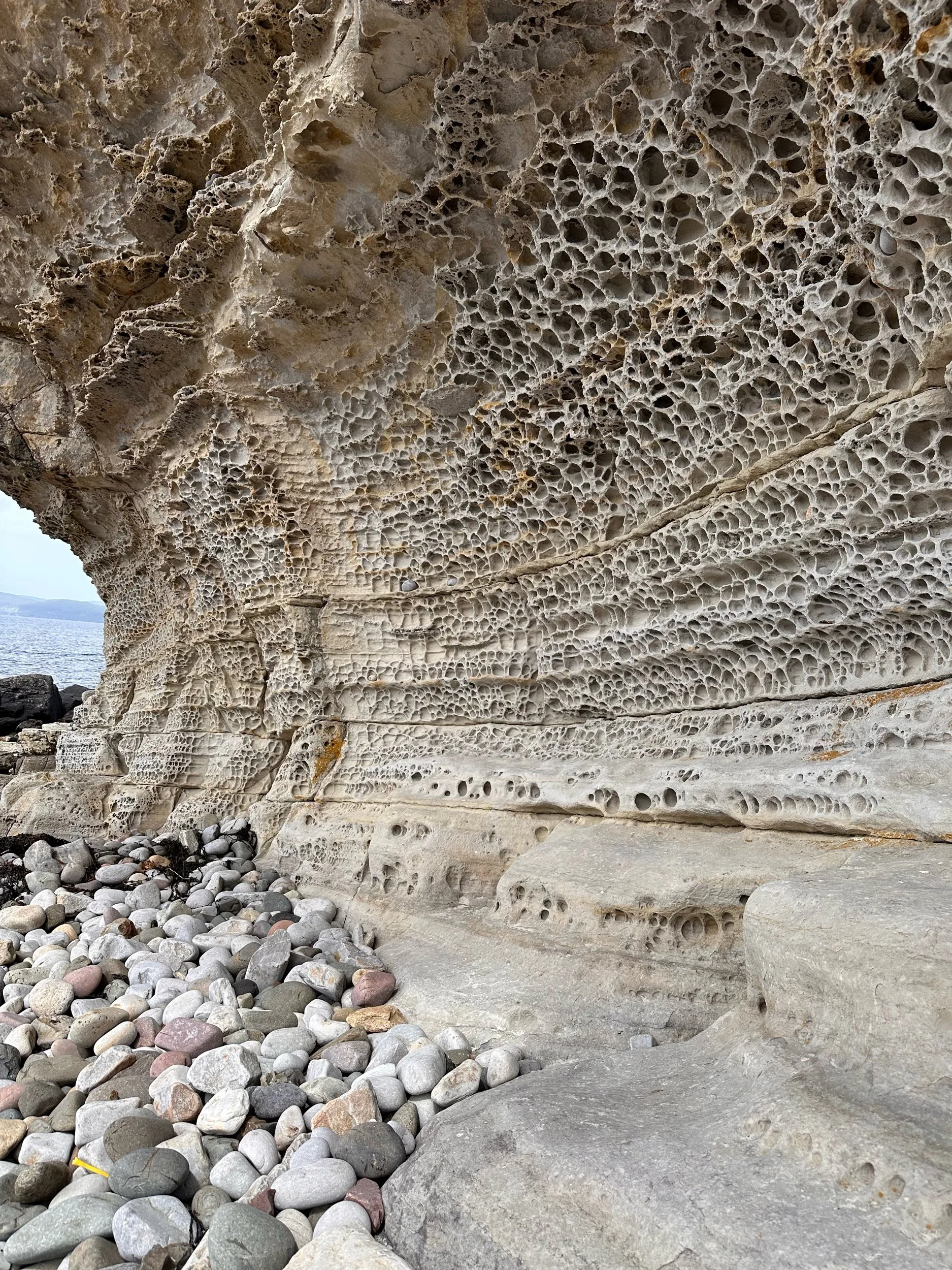
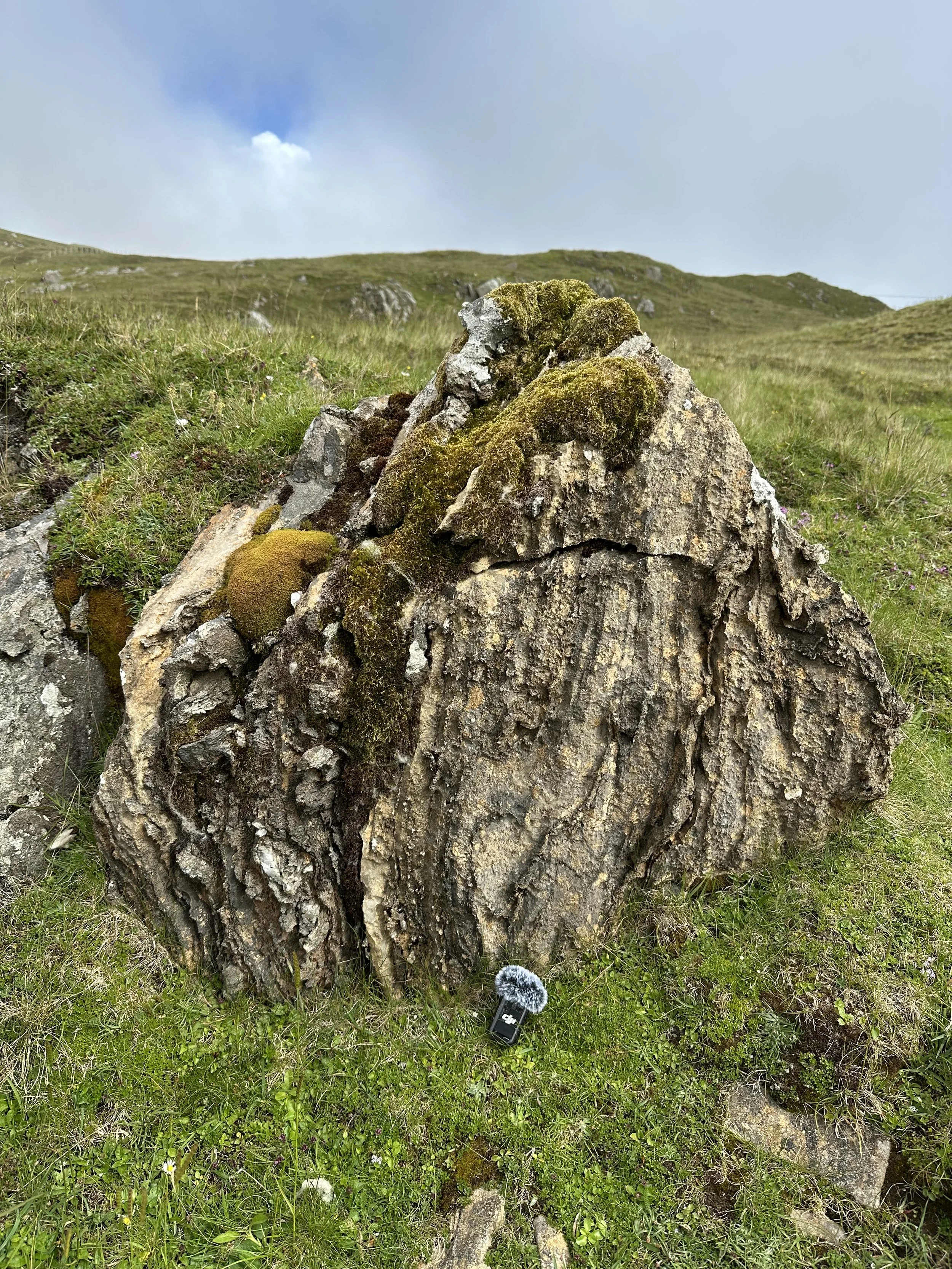
We will then head further North towards Durness, where the geology reveals a completely different chapter in Scotland’s story. Here the rocks tell a story when warm shallow seas covered Scotland. We will visit Smoo Cave where we will examine the contrasting rocks and landscapes created by these ancient environments. The limestone has been dissolved by water to create caves, sinkholes, underground drainage systems and fertile areas of grassland.
Along the way, we will also examine evidence of Ice Age glaciers and consider how ice exploited weaknesses within the underlying geology to sculpt the lochs, valleys and rocky coastline we see today.
Day 5 – The Magnetic Rocks of the North
Our final day brings together the geological story of the entire expedition as we begin our journey south.
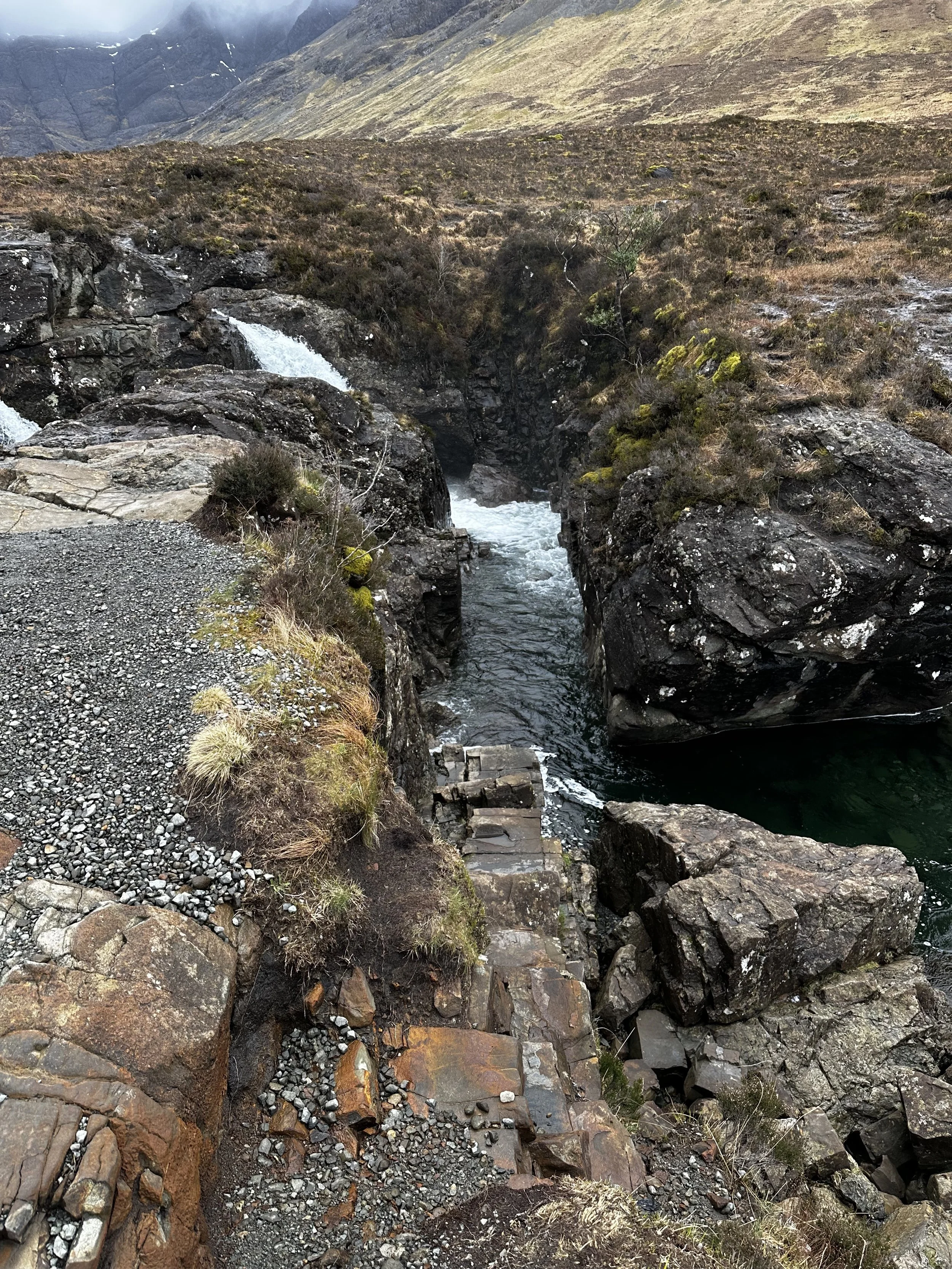
Our first stop will be Corrieshalloch Gorge, one of Scotland’s most spectacular natural gorges. Here, we will discover how powerful glacial meltwater cut deeply through the bedrock at the end of the last Ice Age, creating the dramatic, steep-sided gorge we see today. We will explore how the geology influenced its formation and how water continues to shape the landscape.
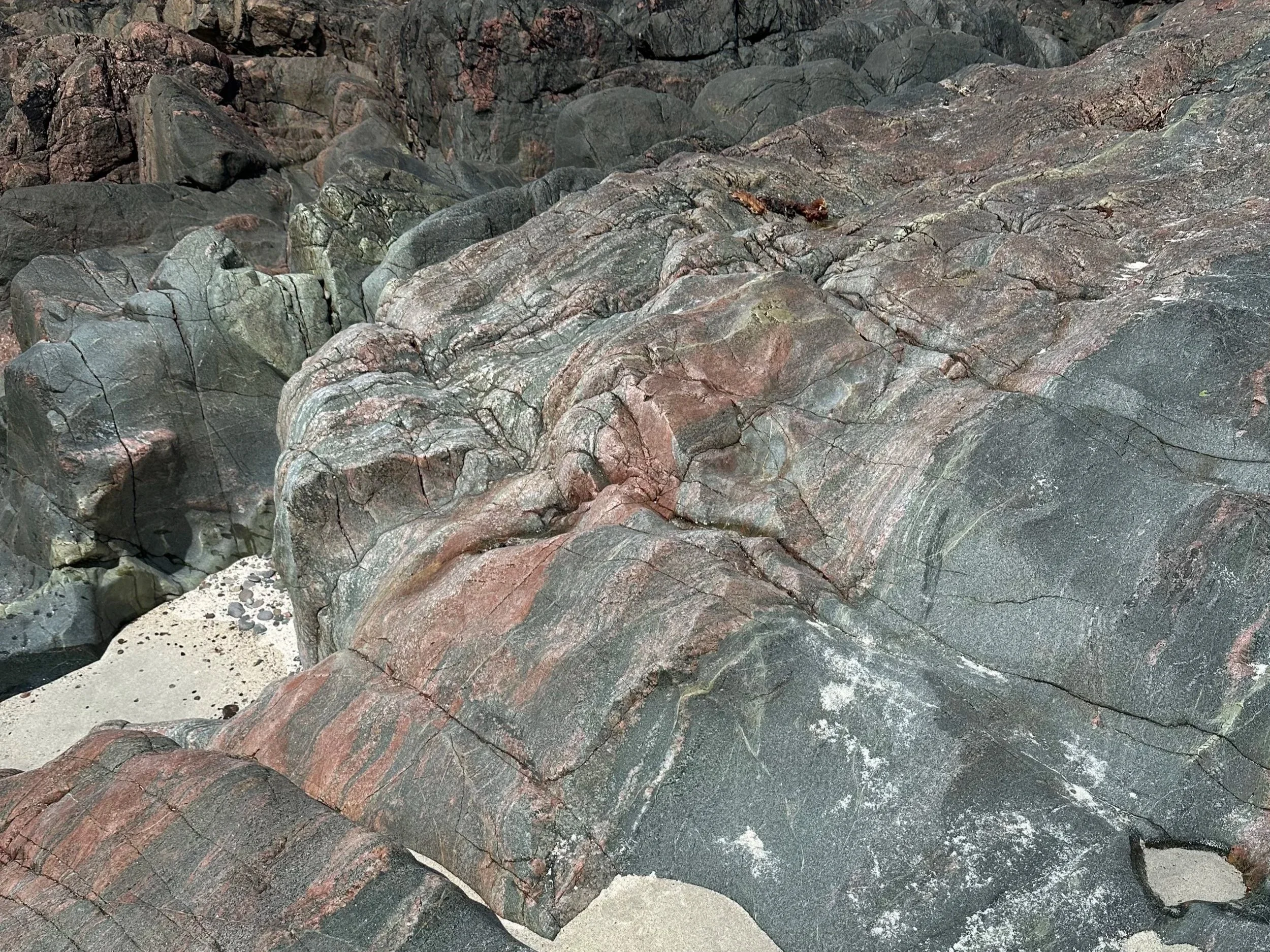
From here, we will travel towards Gairloch to discover Scotland’s only known banded iron formation. These ancient, iron-rich rocks form part of the Lewisian Gneiss Complex and preserve evidence of geological processes that took place more than two billion years ago. We will examine their distinctive layers, test their magnetic properties and uncover what they can tell us about Scotland’s ancient crust and the early Earth.
The final part of our journey takes us through Inverness and onwards to Pitlochry, where we will encounter the metamorphic landscape of the Central Highlands. This provides one final geological contrast and brings our journey from the ancient rocks of the northwest into the younger rocks shaped by the Caledonian mountain-building events.
By the end of the day, we will have travelled through billions of years of Earth history and brought together the remarkable geological story of the Scottish Highlands, arriving back in Glasgow around 19:00 in the evening.
Why is this tour different?
This is not simply a sightseeing trip through the North West Highlands. It is a journey through almost three billion years of Scotland’s geological history.
Rather than only stopping for photographs, we will get out into the landscape, examine the rocks and learn how to recognise the evidence preserved within them. Each day follows a different chapter of the geological story—from the formation of Scotland’s earliest crust and ancient river systems to tropical seas, continental collisions and Ice Age glaciers.
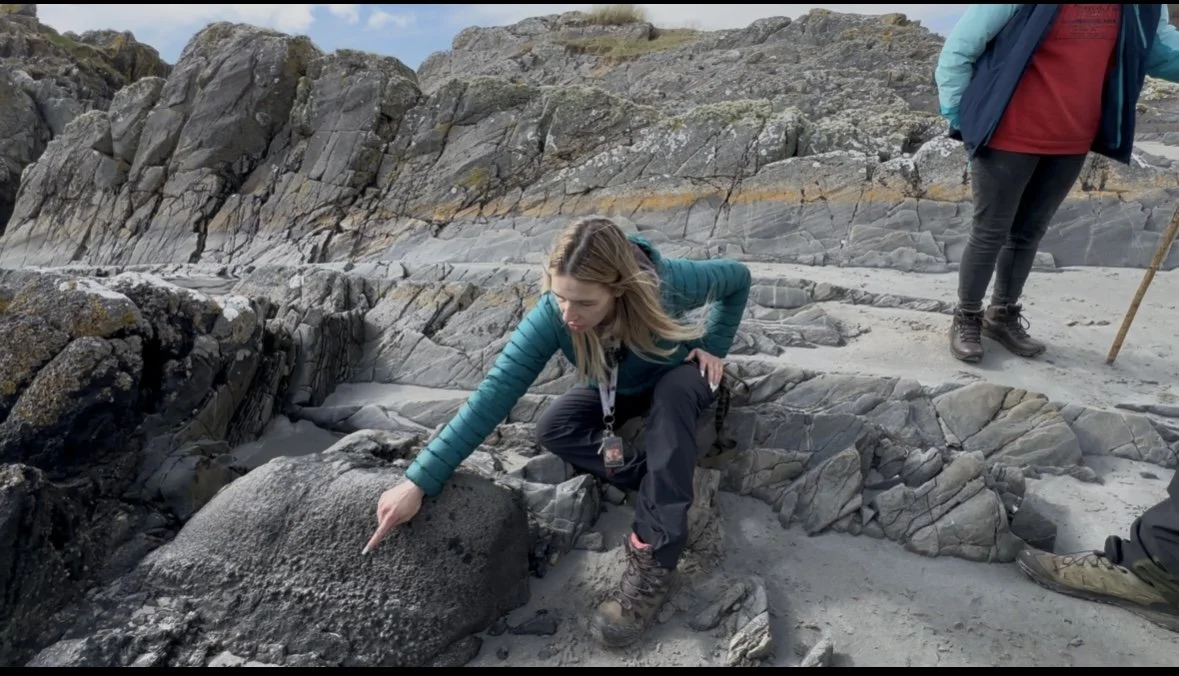
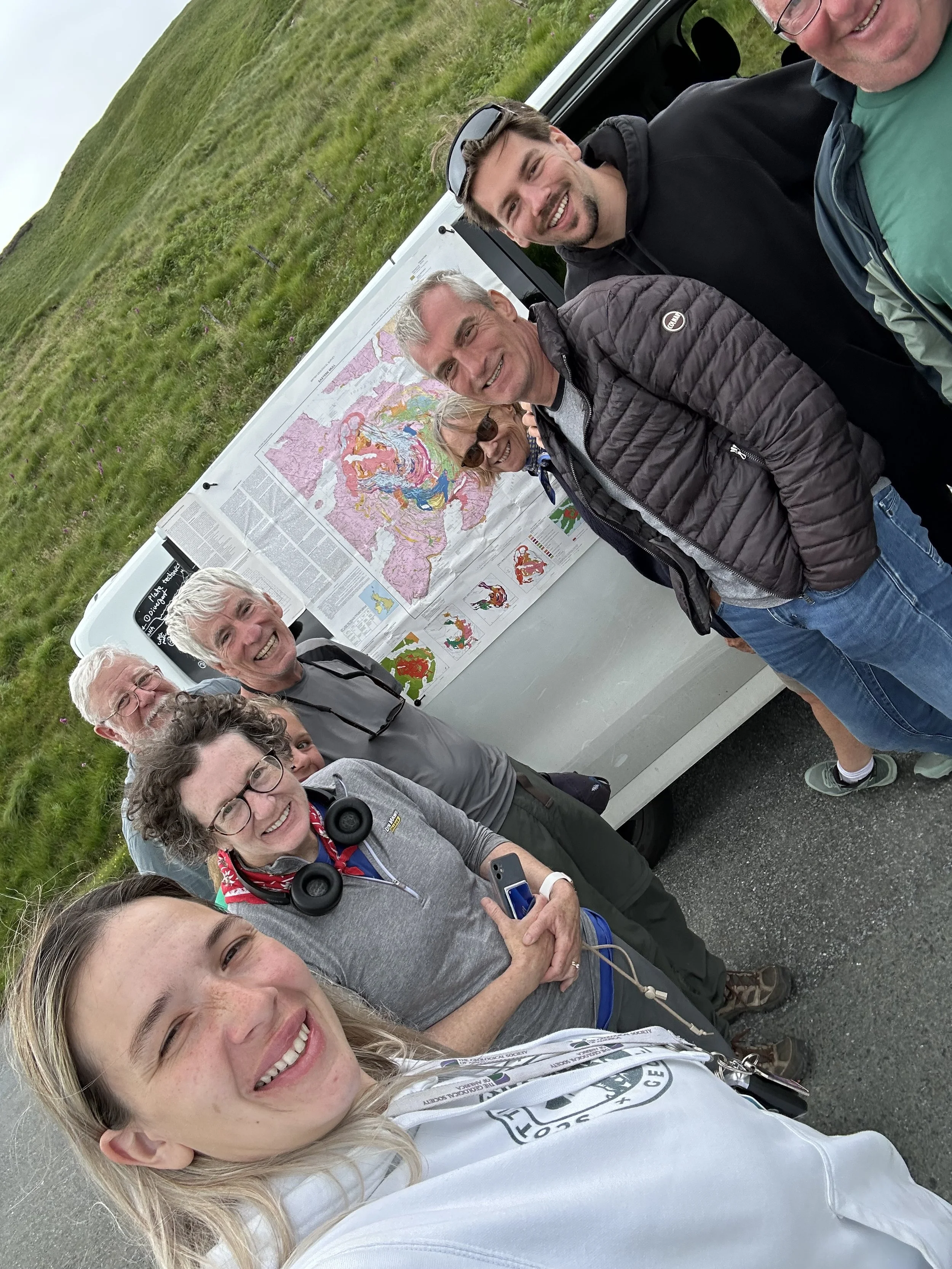
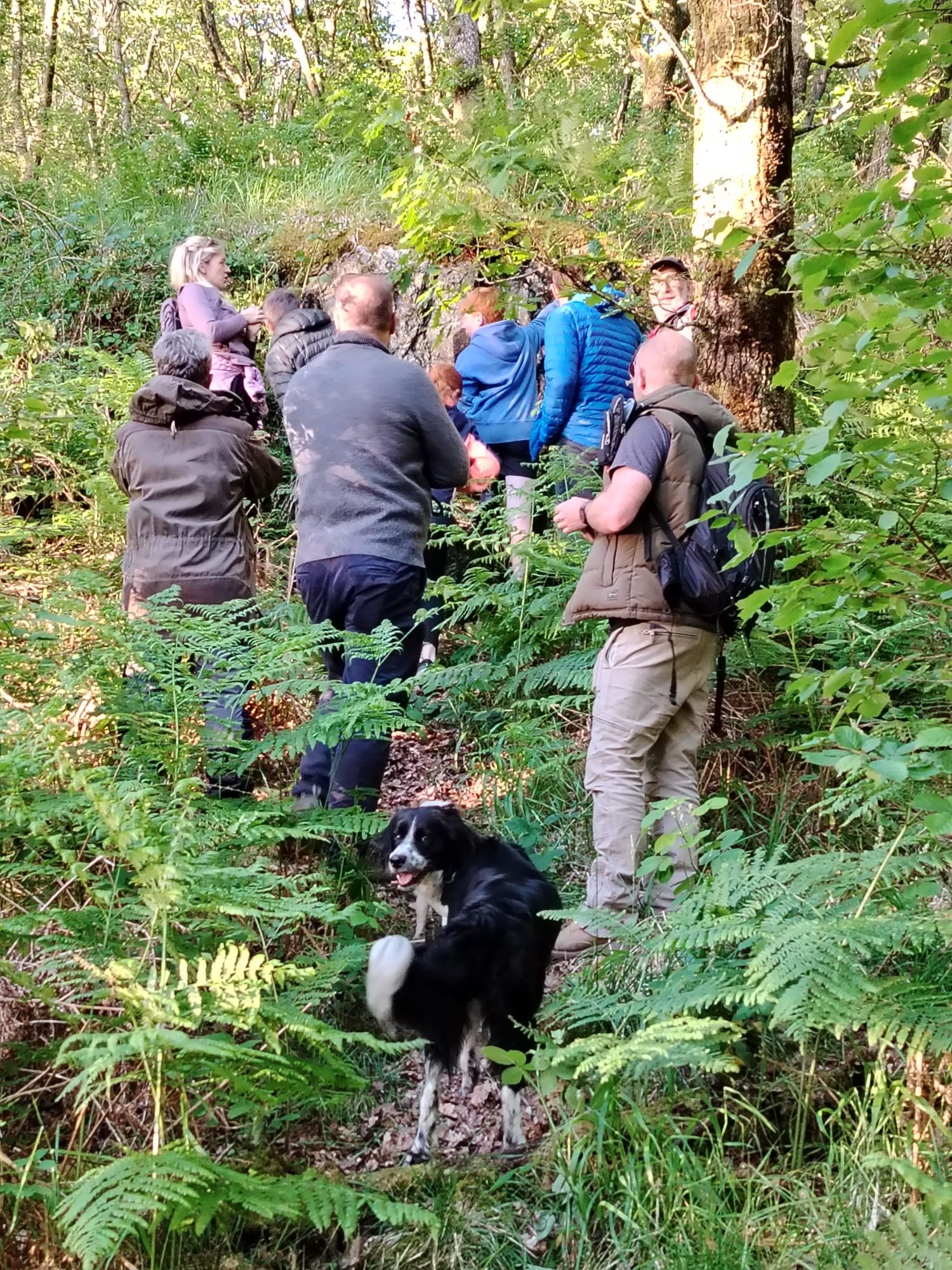
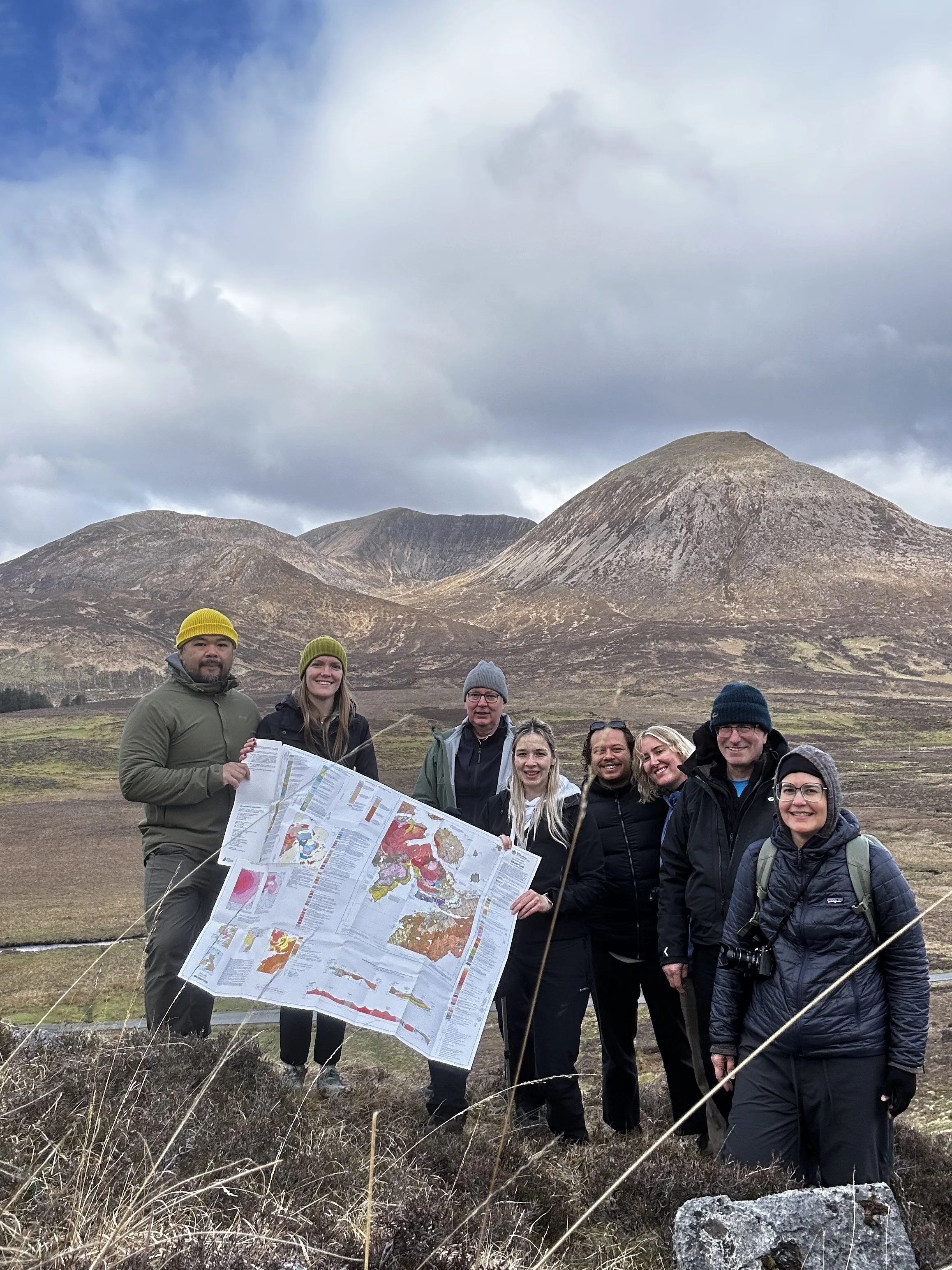
The tour is personally led by Luisa Hendry, the Scottish Geologist, who specialises in making complex geology engaging, accessible and easy to understand. You will be encouraged to ask questions, handle rocks and develop the skills to read the landscape for yourself.
Travelling as a small group also creates a more personal and relaxed experience, with time to explore quieter locations, discuss what we find and adapt parts of the itinerary to the weather and interests of the group.
By the end of the five days, you will not only have seen some of Scotland’s most spectacular scenery—you will understand the remarkable geological story behind it.
What to expect
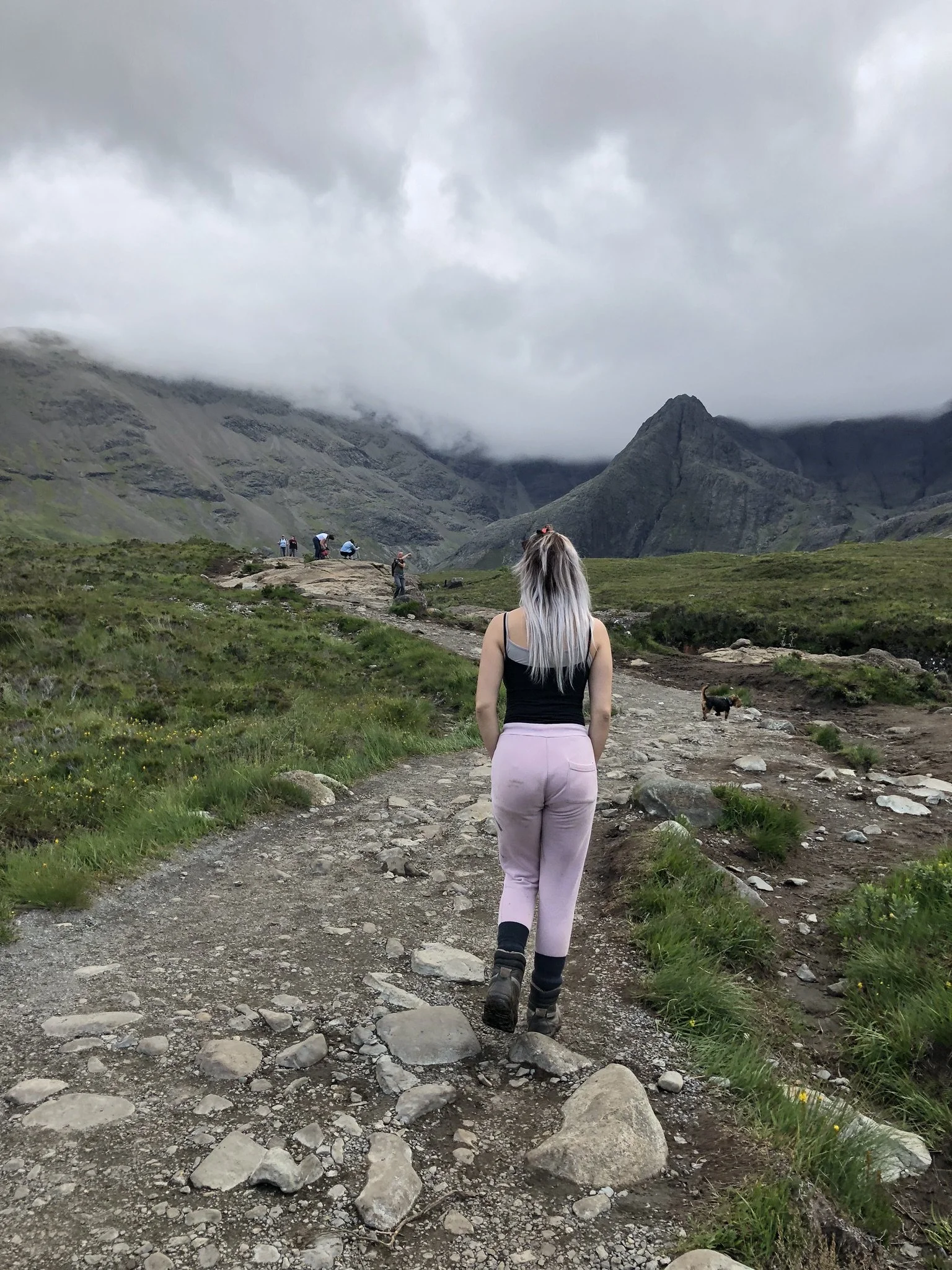
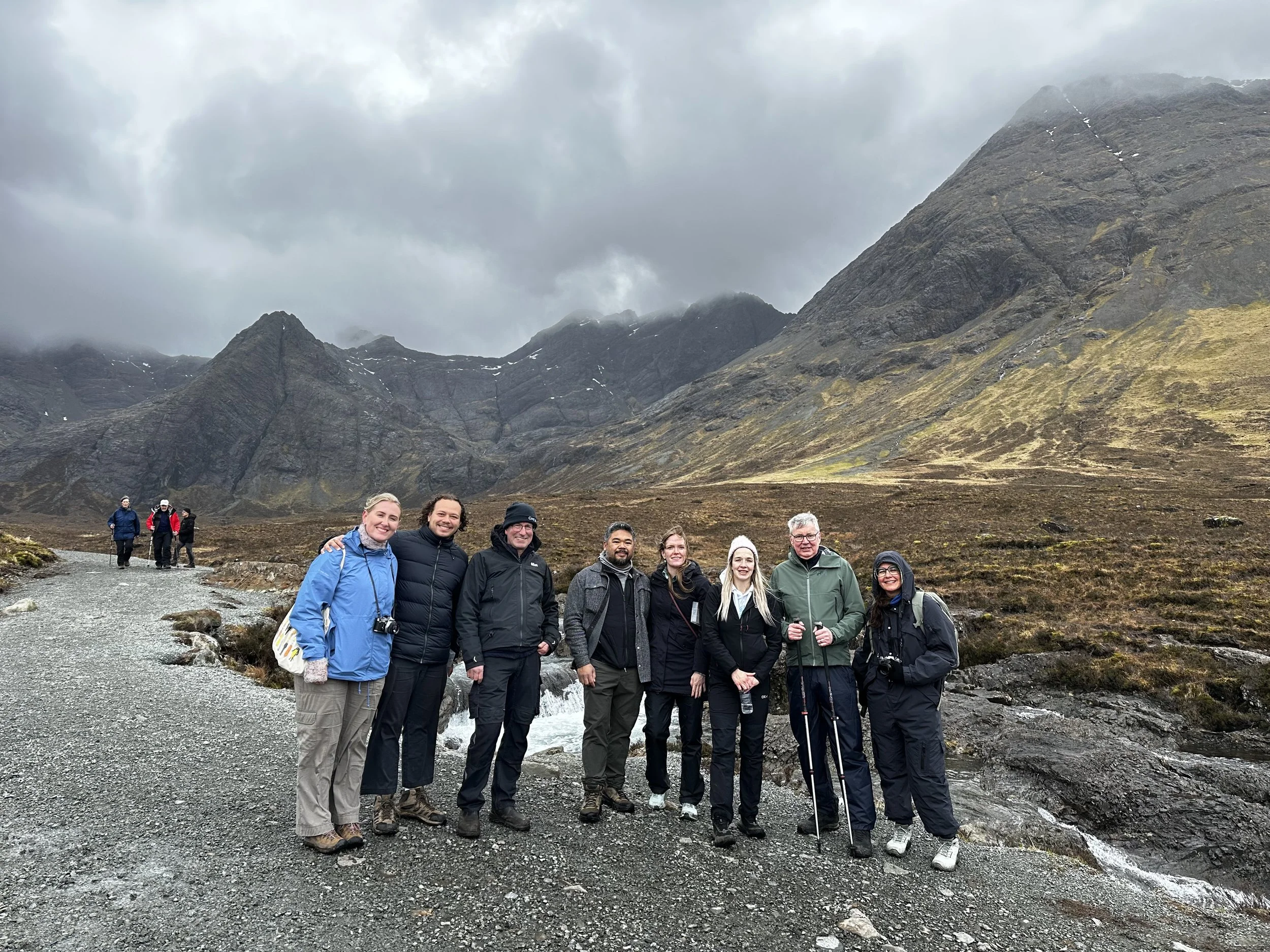
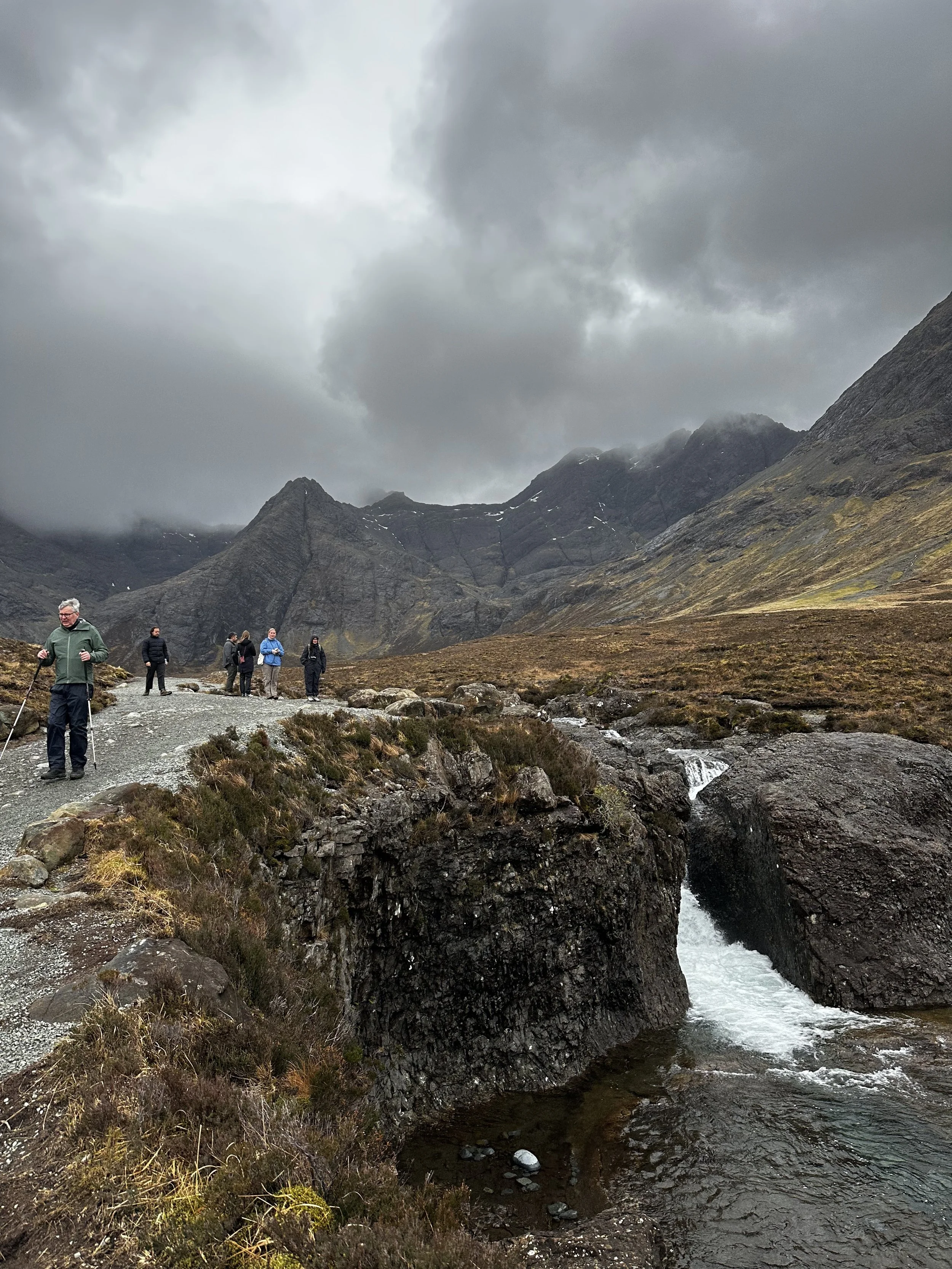
Expect relaxed days filled with spectacular scenery, fascinating geology and plenty of opportunities to stop for photographs.
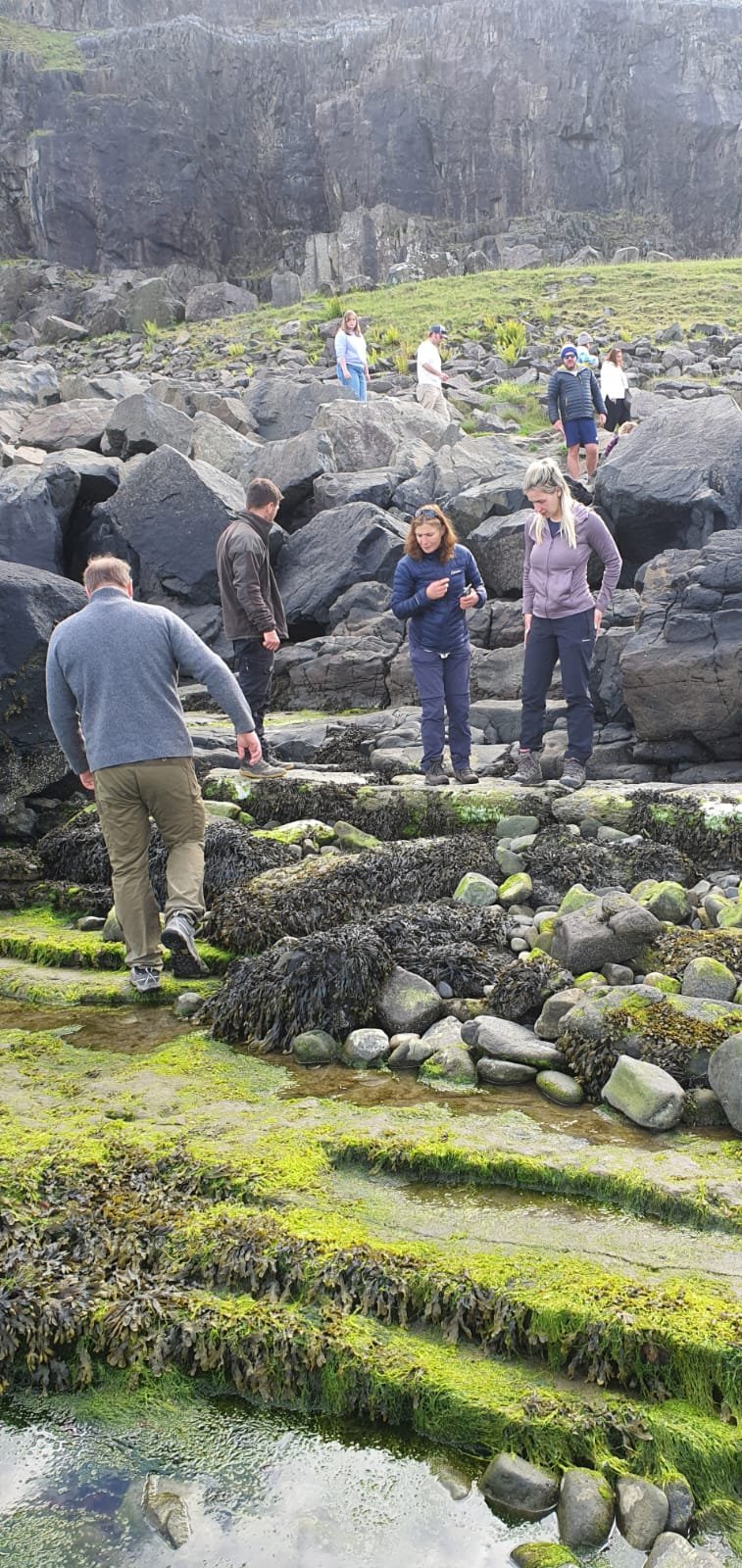
We'll combine short walks, coastal sections and mountain viewpoints while gradually building the geological story over the 5 days.
Every day introduces another chapter in the evolution of Scotland's ancient past.
Suitable for complete beginners as well as expxerienced geology enthusiasts.
Small group experience
Geology-focused guiding
Suitable for enthusiastic beginners and geology lovers alike
Scenic stops throughout
Relaxed, friendly and informative atmosphere
🚶 Average walking: 2–4 miles per day
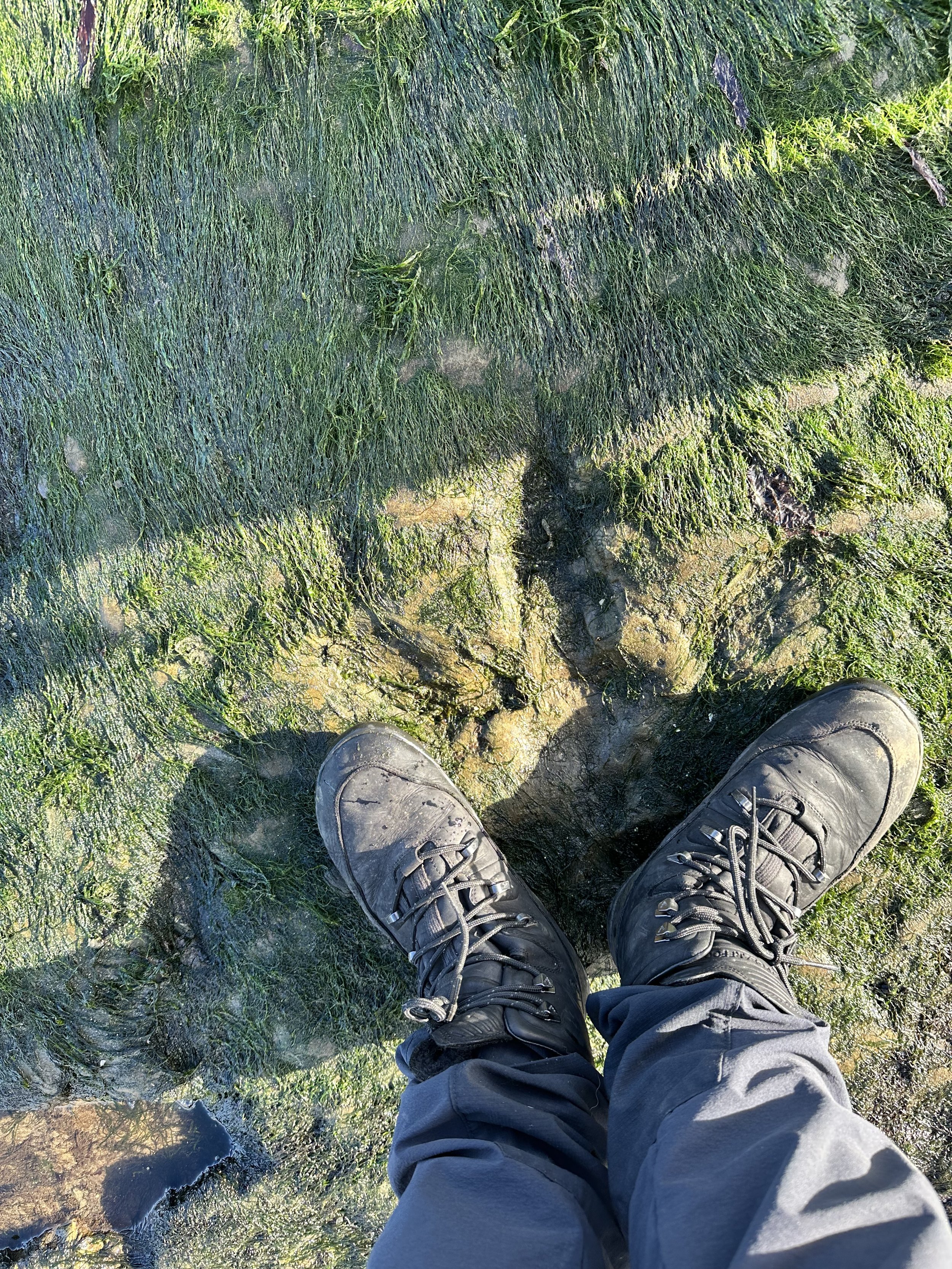
🥾 Terrain: Beaches, coastal paths, grassy tracks, rocky shorelines and occasional uneven ground.
⛰️ Difficulty: Moderate. Suitable for anyone with a reasonable level of fitness who is comfortable walking on uneven terrain.
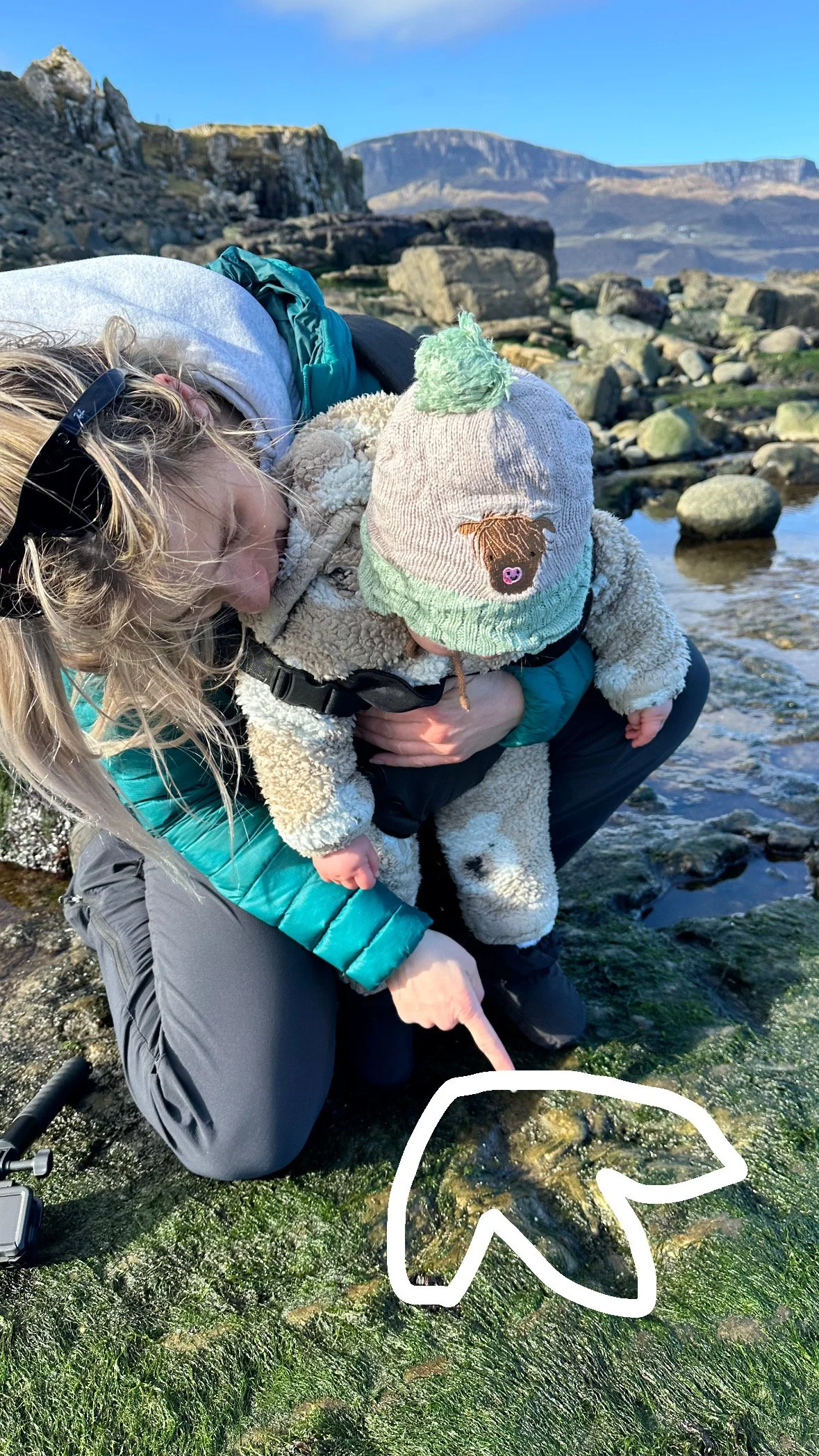
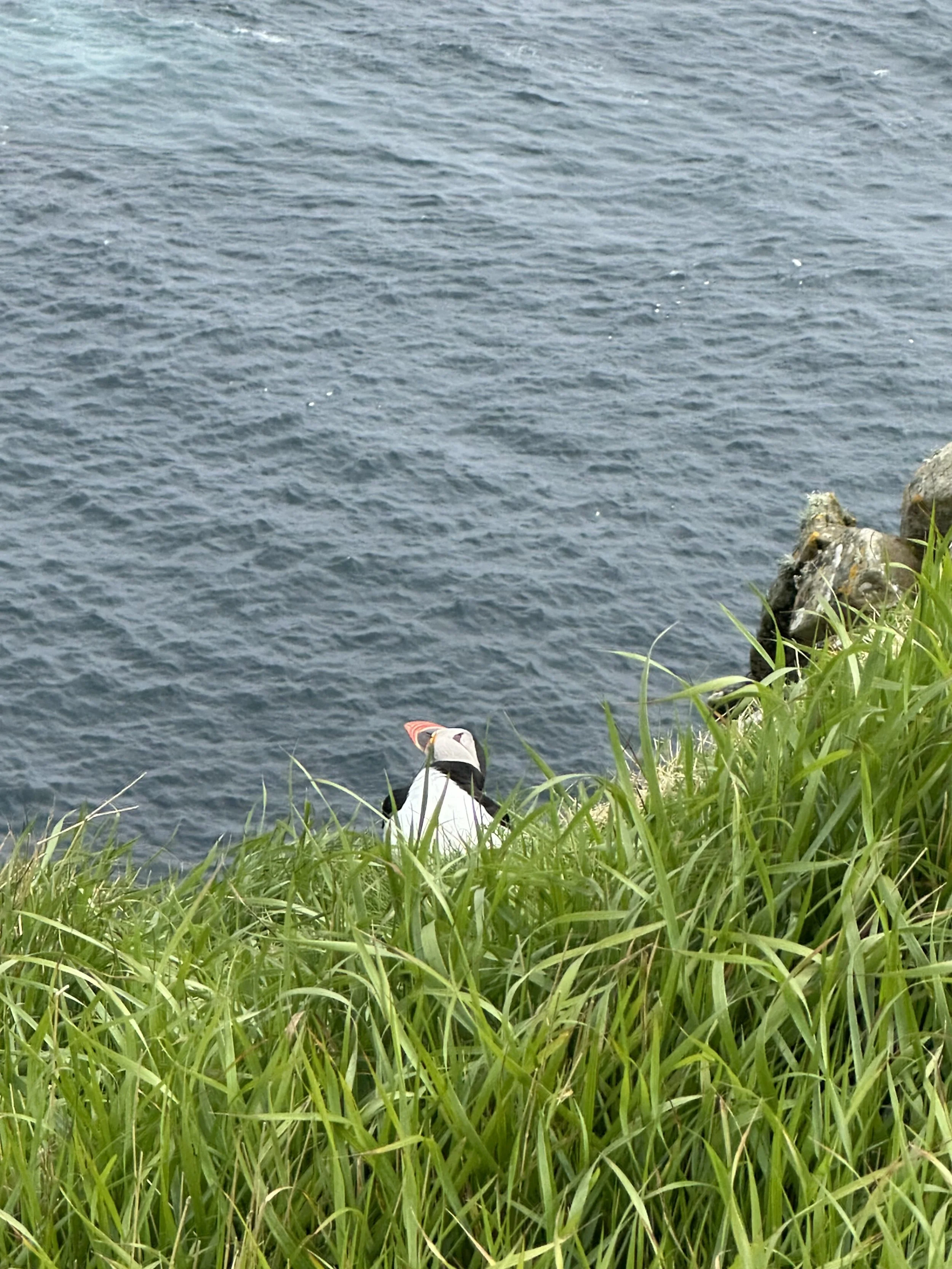
📸 Pace: Relaxed, with frequent stops for photography, geology and wildlife.
What’s Included?
4 nights accommodation
5 days of guided geological touring
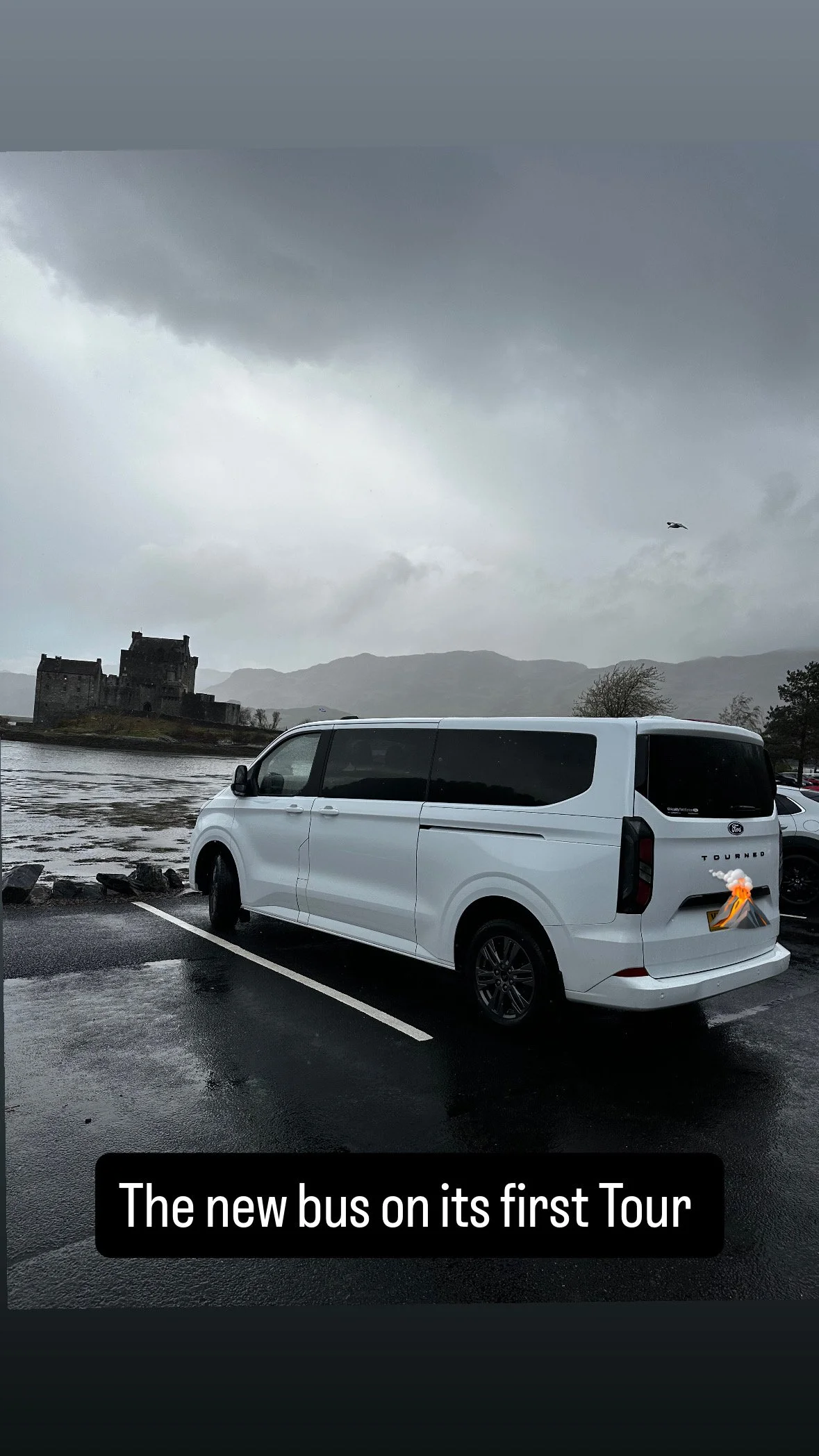
Transport throughout the tour from/to Glasgow
Expert geology interpretation by Scottish Geologist
Geological field guide and information pack
Breakfast and evening meals included (food only)
Small group experience
What’s Not Included
Drinks not included with meals
Personal travel insurance
Lunches
Transport to and from Oban
Optional activities outside the itinerary
Price
From £1,950 per person
We will confirm the running of this tour once 3 people book on.
The Geological Wonders of Scotland’s North West Highlands
A 5 day geological adventure with Scottish Geologist
Step into one of the most extraordinary geological landscapes anywhere in the world on this five-day adventure through the North West Highlands of Scotland.
This is a landscape shaped by almost three billion years of Earth history. Here, ancient Lewisian gneiss forms the foundations of the landscape, towering mountains of Torridonian sandstone rise dramatically from the surrounding moorland, and pale ridges of Cambrian quartzite mark the remains of a long-lost tropical coastline.
The North West Highlands are also home to the internationally important Moine Thrust Zone—a landscape that transformed our understanding of how mountains are formed and helped settle one of the greatest geological debates of the nineteenth century.
Over five days, we will travel through Assynt, explore the dramatic northwest coast and uncover the story of the rocks, faults, glaciers and ancient environments that created this remarkable part of Scotland.
Led by Luisa Hendry, the Scottish Geologist, this excursion brings geology to life through stories, field observations and accessible explanations. You do not need any previous geological knowledge to join—just curiosity, suitable outdoor clothing and a sense of adventure.
Tour Highlights
Hold some of the oldest rocks found anywhere in Europe
Discover almost three billion years of geological history
Explore the world-famous Moine Thrust Zone
Visit Knockan Crag National Nature Reserve
See the distinctive mountains of Suilven, Quinag and Stac Pollaidh
Examine Lewisian gneiss, Torridonian sandstone and Cambrian quartzite
Search for evidence of ancient rivers, tropical seas and vanished mountain ranges
Discover how Ice Age glaciers sculpted the North West Highland landscape
Explore beautiful beaches, rocky coastlines and remote geological localities
Learn how geology has influenced the landscape, wildlife, culture and communities of the northwestThis is far more than a sightseeing holiday. It's an immersive geological adventure that will completely change the way you see Scotland—and the Earth beneath your feet.
Itinerary
Day one – Journey into the Ancient Northwest
Glasgow to Ullapool
Our geological story begins as we travel towards Ullapool and enter the dramatic landscape of the North West Highlands.
Along the way, we will begin exploring how faults, glaciers and rivers have shaped the Highlands. We will examine the geological foundations of the region and introduce the three principal rock groups that will accompany us throughout the excursion: Igneous, Sedimentary and Metamorphic rocks whilst talking about the geology of Scotland.
Possible stops may include dramatic viewpoints (Loch Lomond and Glencoe), glacial landforms and exposures that help us understand how this ancient landscape developed.
By the end of the day, you will have an introduction to the enormous geological timescales represented across the northwest and an understanding of the journey we will follow over the next five days.
Day two – The Moine Thrust and Knockan Crag
Our second day takes us into the heart of the North West Highlands UNESCO Global Geopark and one of the most important geological landscapes in the world.
At Knockan Crag, we will explore the Moine Thrust Zone and discover how enormous sheets of rock were pushed westwards during the Caledonian mountain-building events around 430 million years ago.
The confusing arrangement of older rocks sitting above younger rocks caused fierce debate among nineteenth-century geologists. The work carried out here by Ben Peach and John Horne eventually helped geologists understand the immense forces involved in building mountain ranges.
We will look for evidence of movement within the rocks, including fault surfaces, folding, deformation and the remarkable rocks produced along the thrust zone.
Against the backdrop of Assynt’s distinctive mountains, we will also explore how the underlying geology controls the shape of the landscape.
Day Three – Assynt’s Ancient Rocks and Mountains
Day three takes us deeper into the spectacular landscape of Assynt, Achmelvich and Clachtoll
We will explore some of the oldest rocks in Scotland: the Lewisian gneiss. More than 3.2 billion years old in places, these rocks preserve an extraordinarily ancient and complex history of crustal formation, metamorphism, deformation and igneous activity.
Resting unconformably above the gneiss is the much younger Torridonian sandstone. These red and brown rocks formed from sediment deposited by enormous river systems across an ancient landscape more than one billion years ago.
We will examine the relationship between these rock groups and investigate how erosion has produced Assynt’s unmistakable landscape of isolated mountains rising from an undulating surface of Lewisian gneiss.
Depending on conditions and timings, stops may include viewpoints towards Suilven, Quinag or Stac Pollaidh, alongside accessible coastal or roadside exposures where we can examine the rocks more closely.
Day Four – Scourie, Laxford and Durness
On day four, we will travel farther north to explore some of the most fascinating rocks within the Lewisian Gneiss Complex.
Around Scourie and Laxford, the rocks preserve evidence of multiple episodes of mountain building, metamorphism, deformation and igneous activity extending across vast periods of geological time.
We will look for dark Scourie dykes cutting through the older gneiss and examine how some of these once-solid sheets of igneous rock were later deformed and metamorphosed.
These relationships allow geologists to establish the order in which events occurred—even when the rocks themselves are billions of years old. This day will introduce some of the techniques geologists use to read complex rocks in the field, including cross-cutting relationships, mineral changes, folds and textures.
We will then head further North towards Durness, where the geology reveals a completely different chapter in Scotland’s story. Here the rocks tell a story when warm shallow seas covered Scotland. We will visit Smoo Cave where we will examine the contrasting rocks and landscapes created by these ancient environments. The limestone has been dissolved by water to create caves, sinkholes, underground drainage systems and fertile areas of grassland.
Along the way, we will also examine evidence of Ice Age glaciers and consider how ice exploited weaknesses within the underlying geology to sculpt the lochs, valleys and rocky coastline we see today.
Day 5 – The Magnetic Rocks of the North
Our final day brings together the geological story of the entire expedition as we begin our journey south.
Our first stop will be Corrieshalloch Gorge, one of Scotland’s most spectacular natural gorges. Here, we will discover how powerful glacial meltwater cut deeply through the bedrock at the end of the last Ice Age, creating the dramatic, steep-sided gorge we see today. We will explore how the geology influenced its formation and how water continues to shape the landscape.
From here, we will travel towards Gairloch to discover Scotland’s only known banded iron formation. These ancient, iron-rich rocks form part of the Lewisian Gneiss Complex and preserve evidence of geological processes that took place more than two billion years ago. We will examine their distinctive layers, test their magnetic properties and uncover what they can tell us about Scotland’s ancient crust and the early Earth.
The final part of our journey takes us through Inverness and onwards to Pitlochry, where we will encounter the metamorphic landscape of the Central Highlands. This provides one final geological contrast and brings our journey from the ancient rocks of the northwest into the younger rocks shaped by the Caledonian mountain-building events.
By the end of the day, we will have travelled through billions of years of Earth history and brought together the remarkable geological story of the Scottish Highlands, arriving back in Glasgow around 19:00 in the evening.
Why is this tour different?
This is not simply a sightseeing trip through the North West Highlands. It is a journey through almost three billion years of Scotland’s geological history.
Rather than only stopping for photographs, we will get out into the landscape, examine the rocks and learn how to recognise the evidence preserved within them. Each day follows a different chapter of the geological story—from the formation of Scotland’s earliest crust and ancient river systems to tropical seas, continental collisions and Ice Age glaciers.
The tour is personally led by Luisa Hendry, the Scottish Geologist, who specialises in making complex geology engaging, accessible and easy to understand. You will be encouraged to ask questions, handle rocks and develop the skills to read the landscape for yourself.
Travelling as a small group also creates a more personal and relaxed experience, with time to explore quieter locations, discuss what we find and adapt parts of the itinerary to the weather and interests of the group.
By the end of the five days, you will not only have seen some of Scotland’s most spectacular scenery—you will understand the remarkable geological story behind it.
What to expect
Expect relaxed days filled with spectacular scenery, fascinating geology and plenty of opportunities to stop for photographs.
We'll combine short walks, coastal sections and mountain viewpoints while gradually building the geological story over the 5 days.
Every day introduces another chapter in the evolution of Scotland's ancient past.
Suitable for complete beginners as well as expxerienced geology enthusiasts.
Small group experience
Geology-focused guiding
Suitable for enthusiastic beginners and geology lovers alike
Scenic stops throughout
Relaxed, friendly and informative atmosphere
🚶 Average walking: 2–4 miles per day
🥾 Terrain: Beaches, coastal paths, grassy tracks, rocky shorelines and occasional uneven ground.
⛰️ Difficulty: Moderate. Suitable for anyone with a reasonable level of fitness who is comfortable walking on uneven terrain.
📸 Pace: Relaxed, with frequent stops for photography, geology and wildlife.
What’s Included?
4 nights accommodation
5 days of guided geological touring
Transport throughout the tour from/to Glasgow
Expert geology interpretation by Scottish Geologist
Geological field guide and information pack
Breakfast and evening meals included (food only)
Small group experience
What’s Not Included
Drinks not included with meals
Personal travel insurance
Lunches
Transport to and from Oban
Optional activities outside the itinerary
Price
From £1,950 per person
We will confirm the running of this tour once 3 people book on.
 Image 1 of 11
 Image 2 of 11
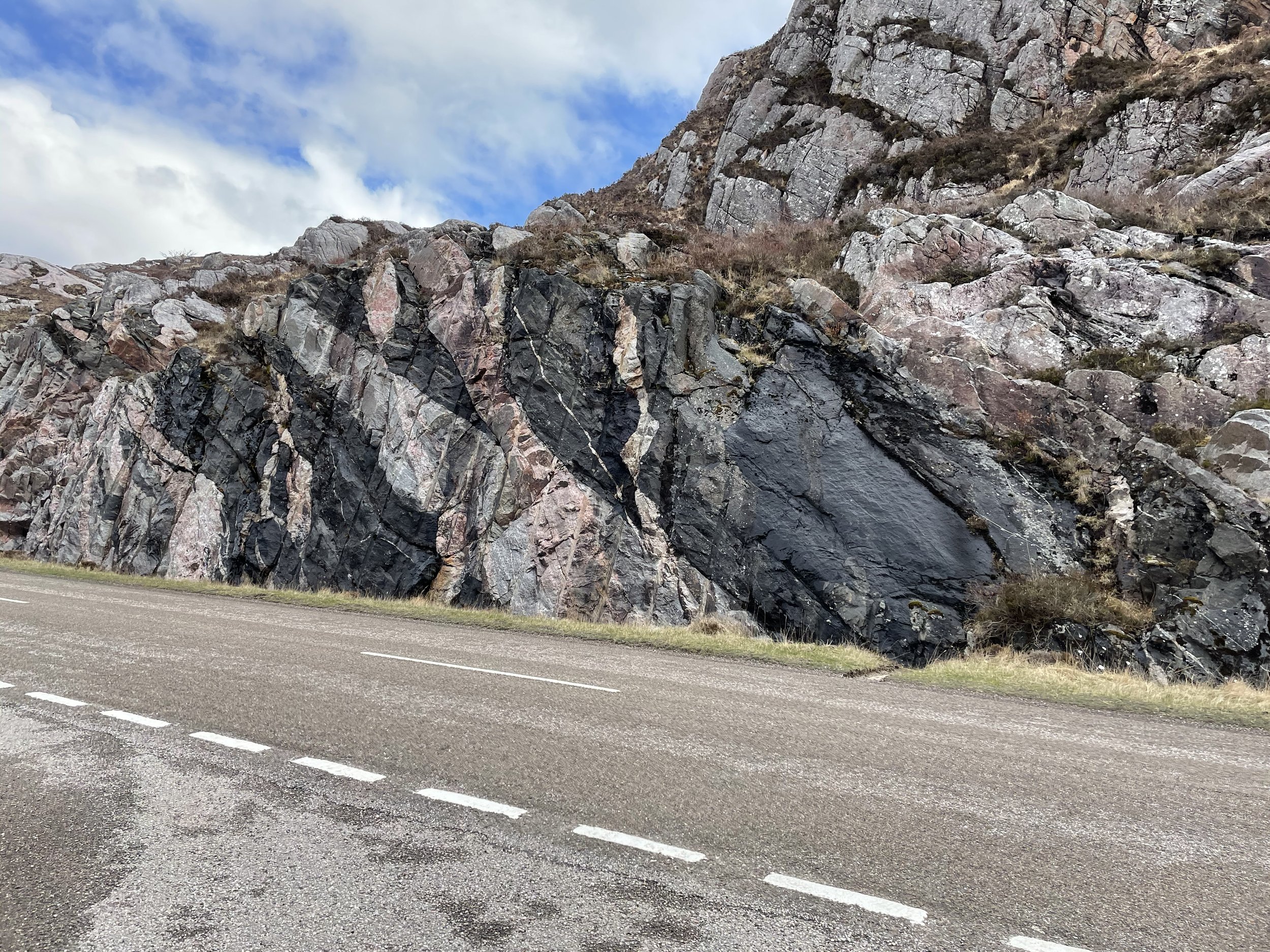 Image 3 of 11
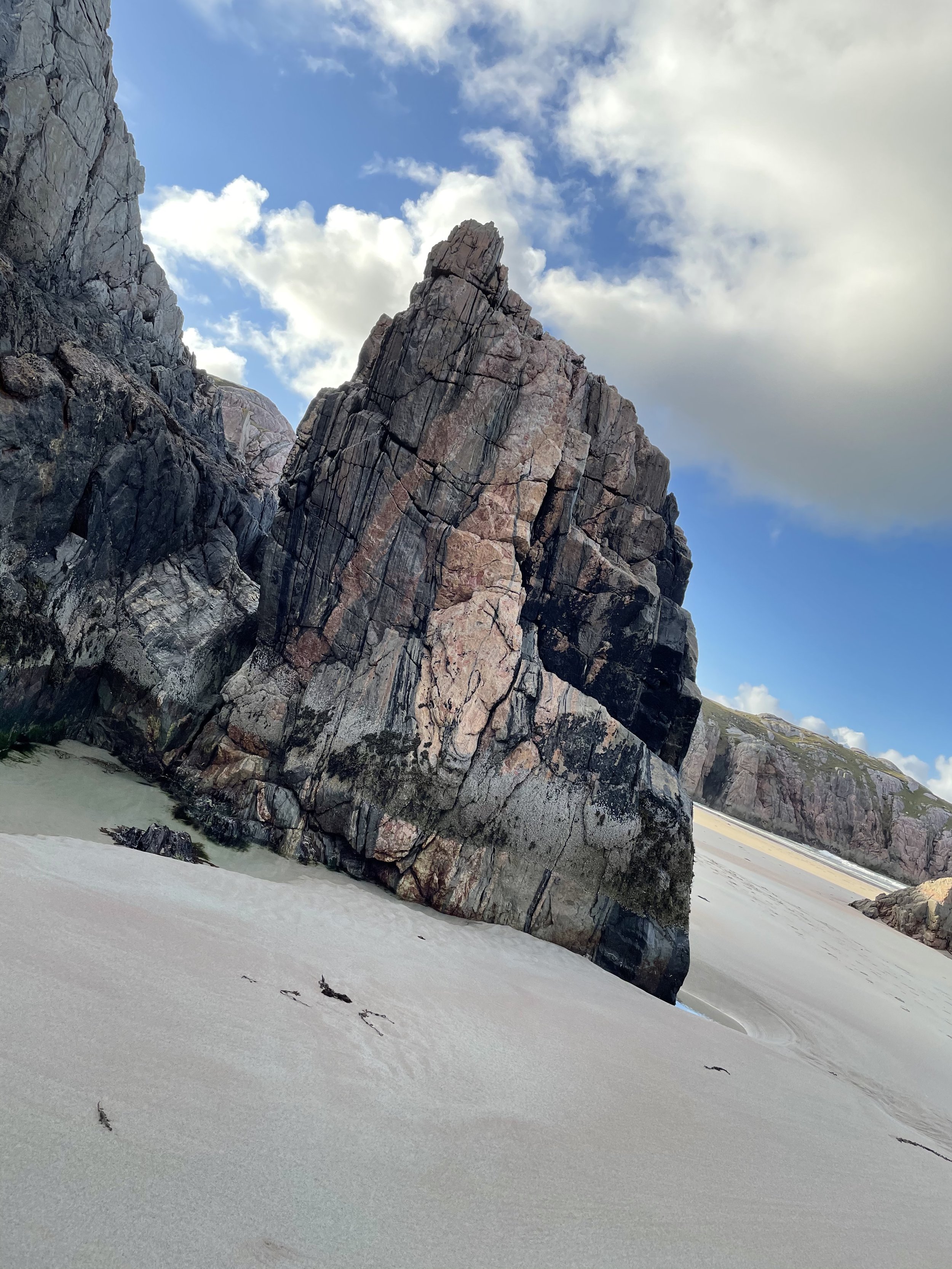 Image 4 of 11
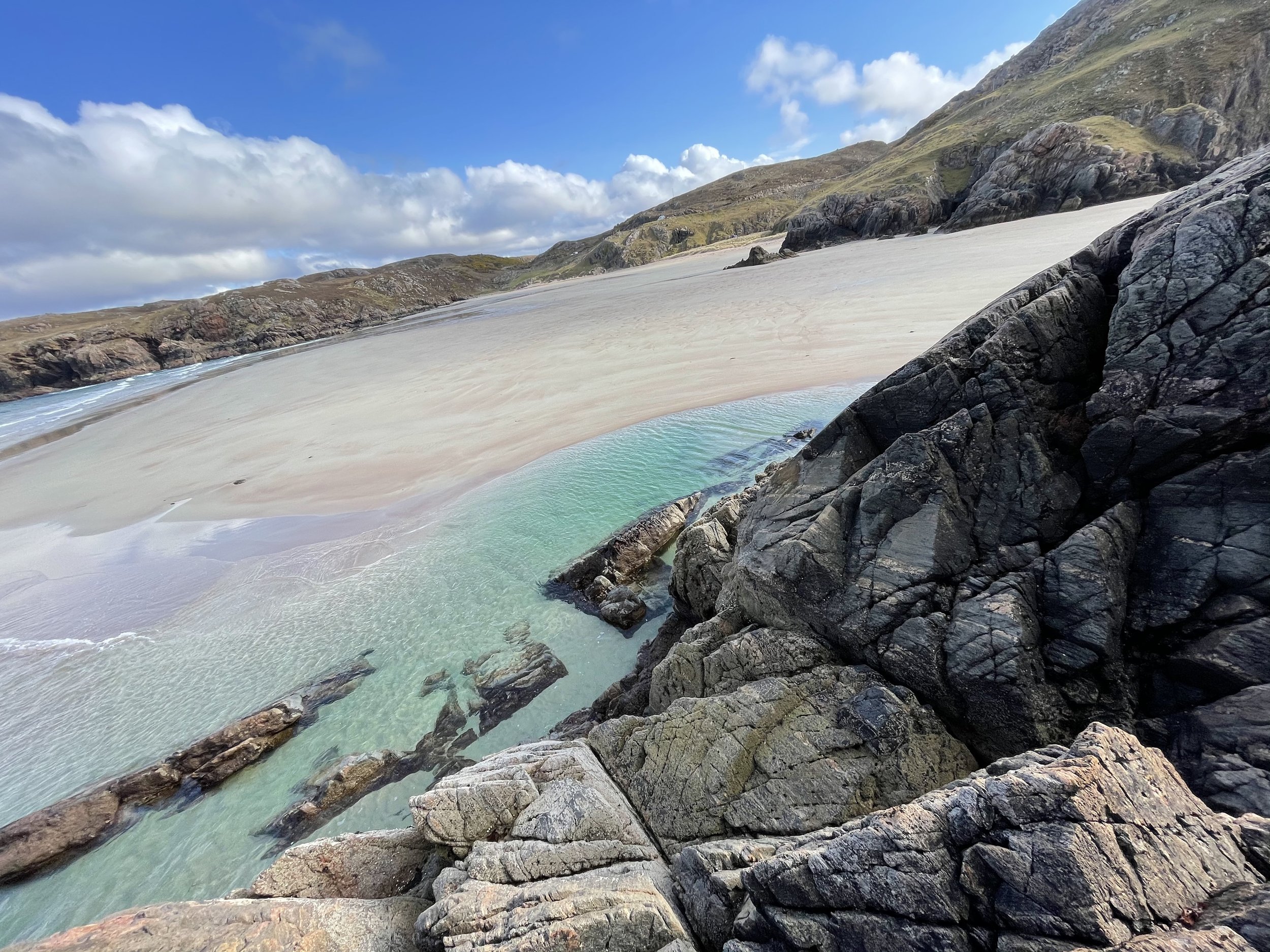 Image 5 of 11
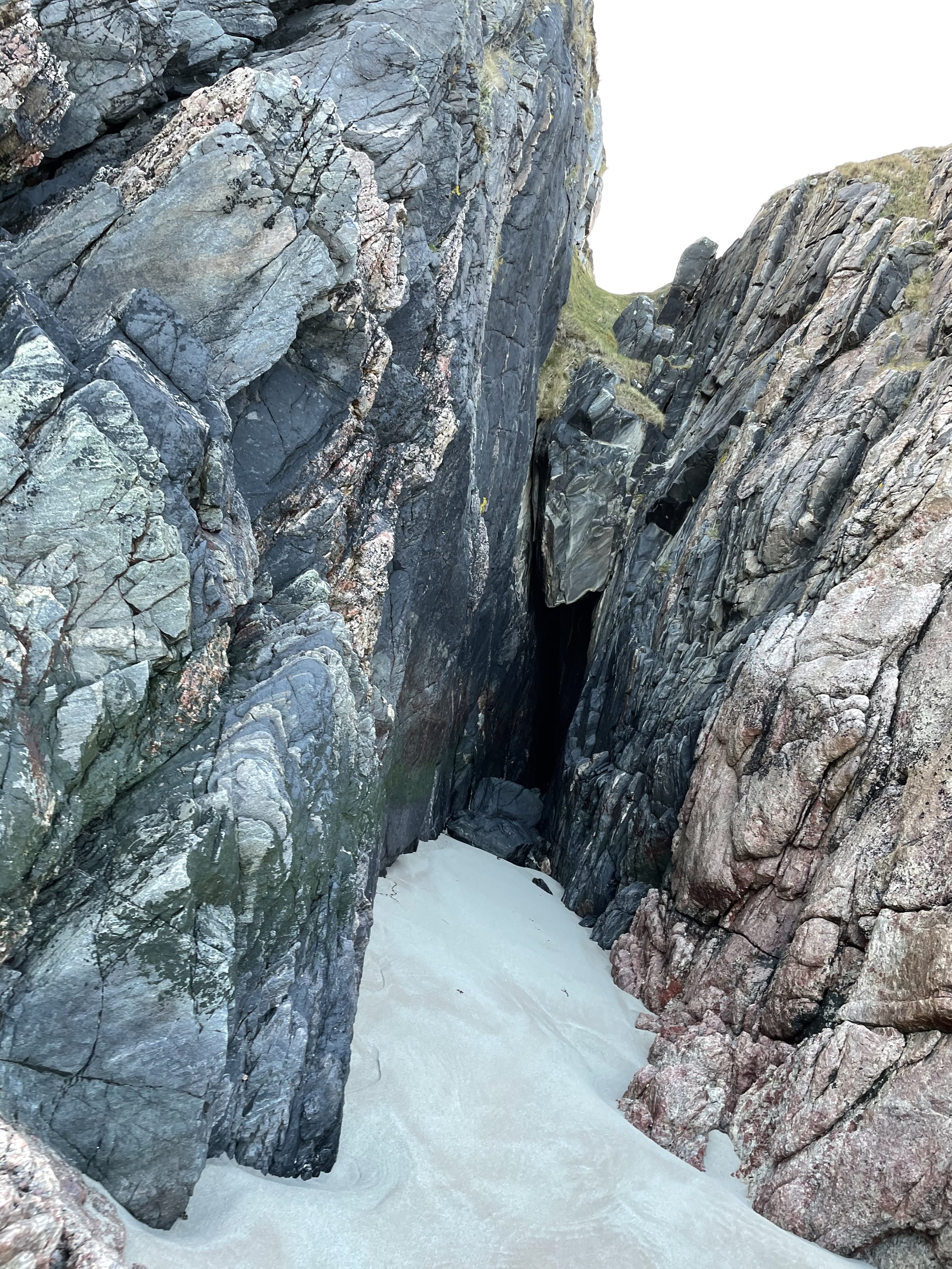 Image 6 of 11
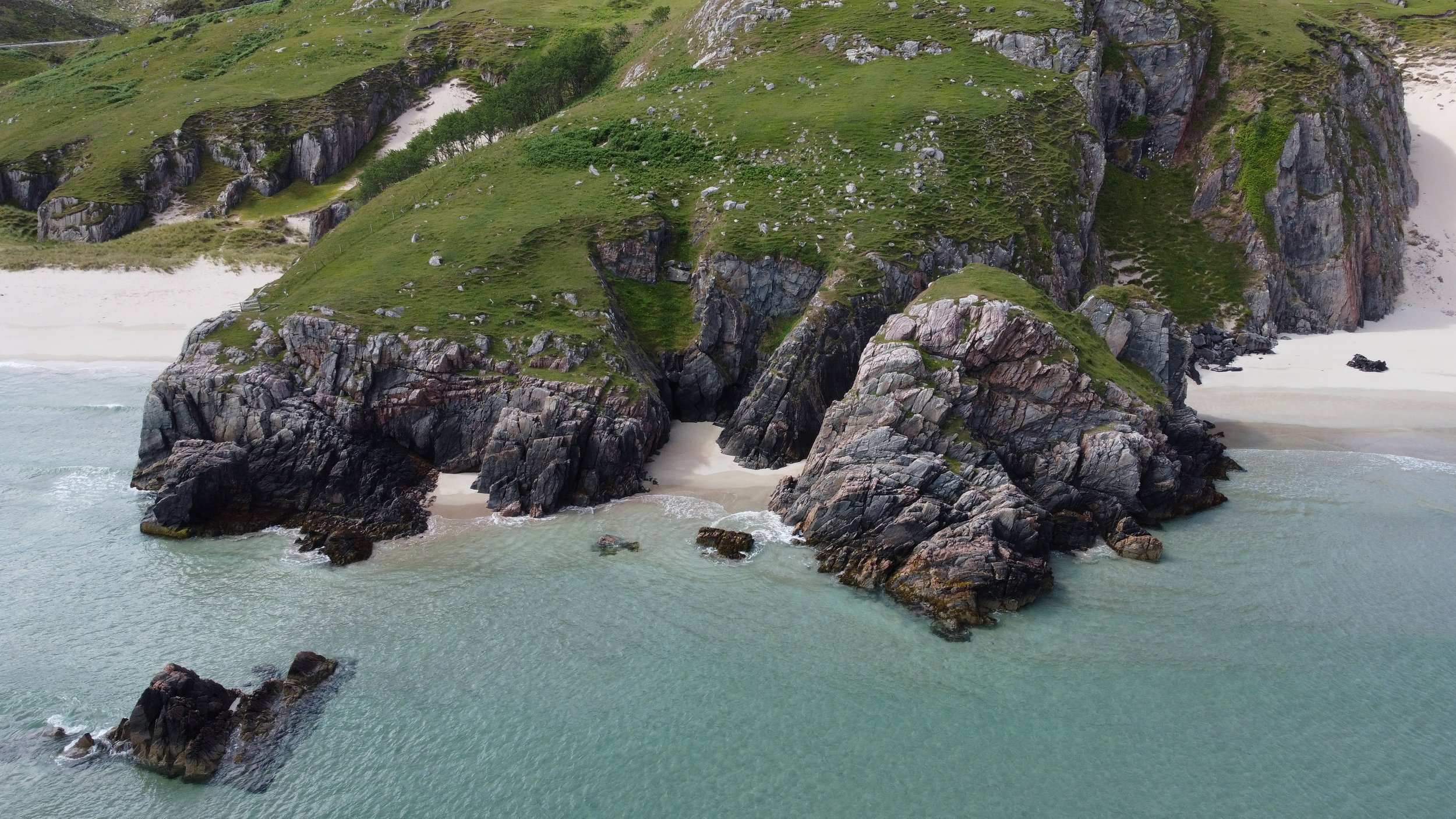 Image 7 of 11
 Image 8 of 11
 Image 9 of 11
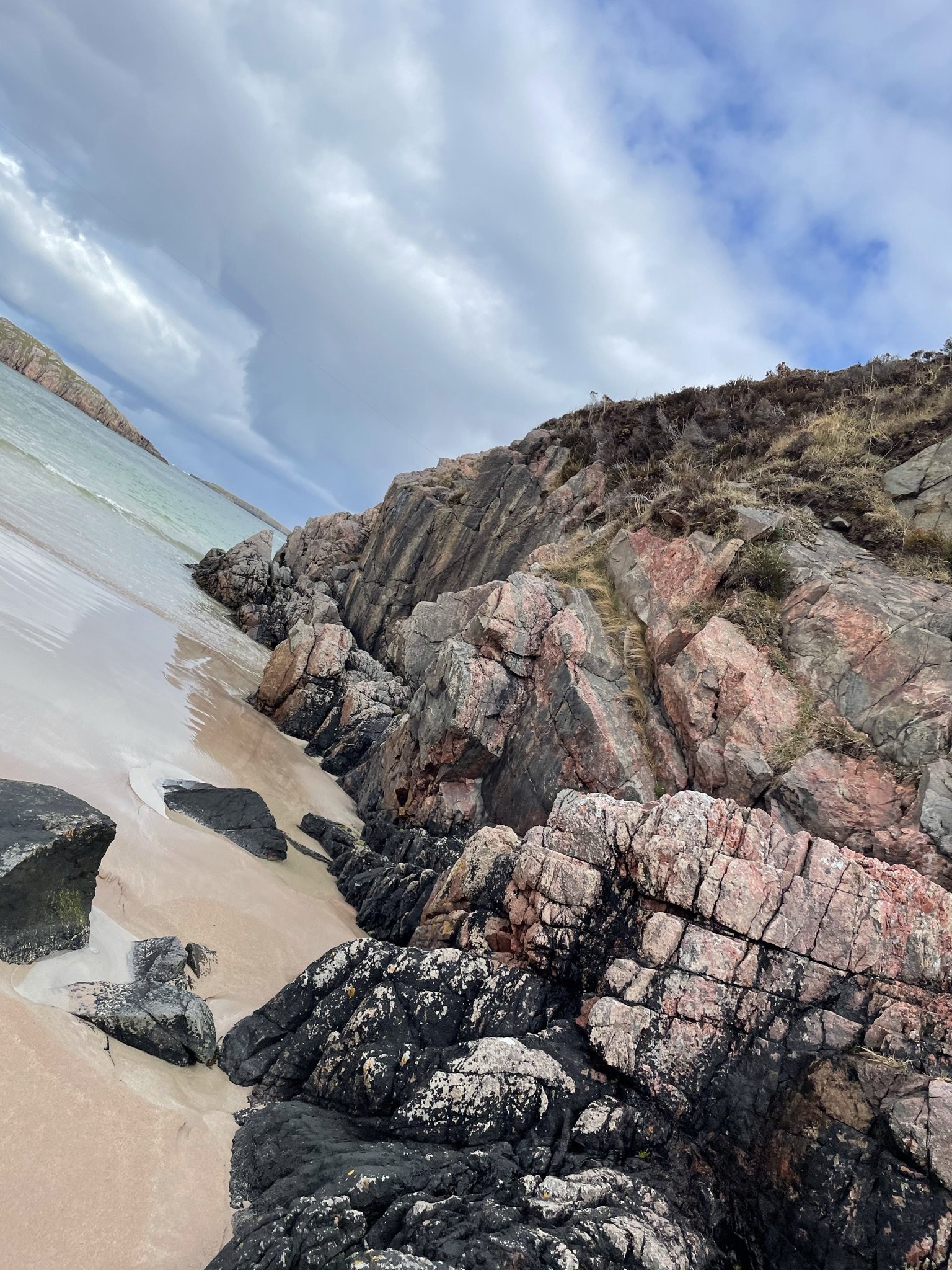 Image 11 of 11